
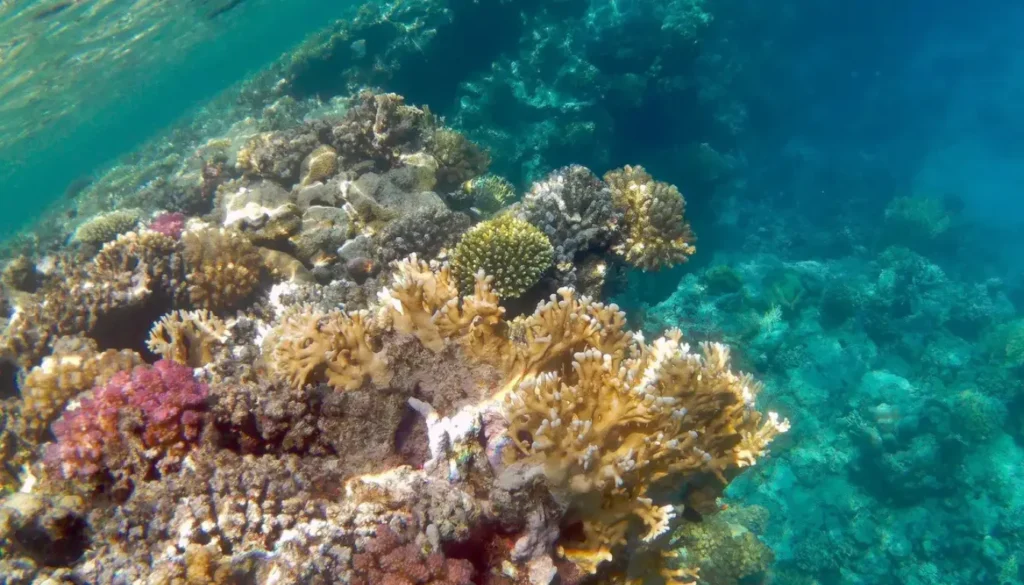
The Red Sea’s Best-Kept Secret Is No Longer a Secret
Sataya Reef, widely known as Dolphin House, is one of the most spectacular snorkeling destinations in Marsa Alam and the entire Red Sea. Famous for its crystal-clear waters, vibrant coral reefs, and large pods of wild spinner dolphins, this natural paradise attracts thousands of visitors every year seeking an unforgettable marine adventure. Whether you are an experienced snorkeler or a first-time visitor, Sataya Reef offers a unique opportunity to explore diverse underwater ecosystems while swimming alongside dolphins in their natural habitat.
Located off the coast of Marsa Alam, Dolphin House is renowned for its rich marine life, colorful coral formations, and calm lagoons that create ideal conditions for snorkeling. The combination of breathtaking scenery and incredible wildlife encounters has earned Sataya Reef a reputation as one of the best snorkeling spots in the Red Sea. In this guide, you’ll discover what makes this remarkable reef so special, what to expect during your visit, and why it deserves a place on every Egypt travel itinerary.
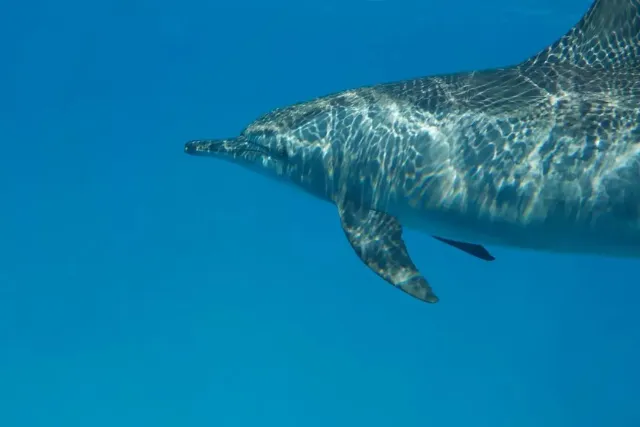
There is a moment — and every snorkeler who has been there will tell you about it — when you slip off the side of a wooden boat somewhere south of Marsa Alam, drop your face into the water, and suddenly find yourself surrounded by a spinning, twirling, impossibly graceful vortex of dolphins. Not one or two. Not a shy pod passing at a distance. We’re talking about 80, sometimes over 100 Spinner Dolphins swirling around you in the warm, crystal-clear waters of the Red Sea as if you gatecrashed the world’s most exclusive aquatic party.
That place is Sataya Reef — also known as Dolphin House Marsa Alam, or more precisely, Dolphin Reef — and it sits about 45 kilometres south of Marsa Alam marina, near the remote shoreline village of Hamata. For years, serious divers knew about it. Freedivers whispered about it in online forums. But it remained tucked away from the mainstream travel conversation, overshadowed by the flashier buzz around Sharm El Sheikh or the more accessible dolphin spot further north at Shaab Samadai.
That is changing fast, Sataya Reef snorkeling has become one of the most sought-after wildlife experiences in the entire Middle East and North Africa region — and for very good reason.
“Tap here and learn more about The Magic of Blue Lagoon Egypt: Serenity Beyond the Desert.”
What Exactly Is Sataya Reef — and Why Does the Name “Dolphin House” Stick?
Sataya Reef is a large, horseshoe-shaped coral reef that forms a natural lagoon roughly 3 kilometres long. The shape of the reef itself is the key to everything. During the daytime, the interior of the horseshoe acts as a calm, sheltered nursery — the currents inside are gentle, the water is shallow enough in sections for non-swimmers to feel comfortable floating, and the reef walls block the open-sea swell. For the dolphins, this makes it a perfect resting spot.
Spinner Dolphins (Stenella longirostris — for the science-minded among us) are remarkably social, and the pod that calls Sataya home is one of the largest resident pods in the Red Sea. These dolphins don’t just pass through. They live here. They sleep here — well, sort of. Dolphins experience what researchers call unihemispheric sleep, meaning one half of their brain rests while the other stays awake, allowing them to keep swimming and breathing. In the lagoon, you’ll often see them gliding in slow, tight circles near the surface during the late morning and early afternoon: that’s them essentially napping. It’s one of the most strangely moving things you can witness underwater.
The name “Dolphin House” stuck because locals and early dive operators wanted to convey something important: these dolphins aren’t performing here. They’re at home. You are the visitor entering their living room, not the other way around.
The Horseshoe Reef: A Snorkeling Landscape Unlike Anything Else in Egypt
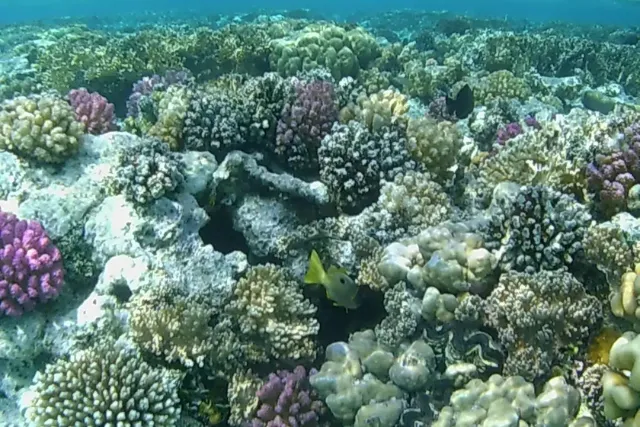
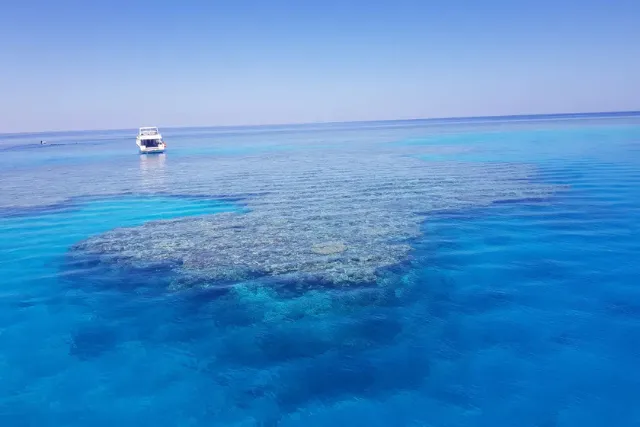
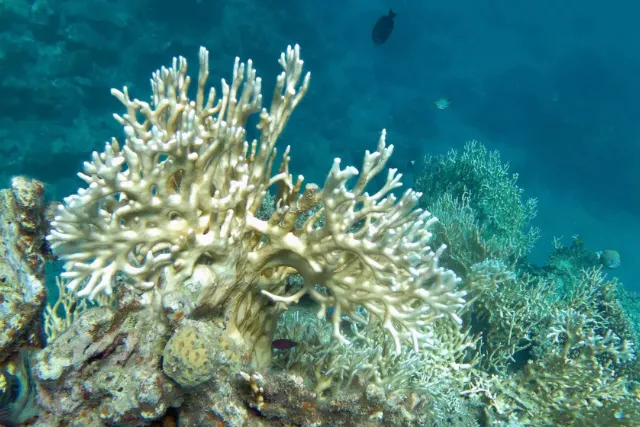
Before we even get to the dolphins, let’s talk about the reef itself — because Sataya Reef Marsa Alam would be worth visiting even if not a single dolphin showed up.
The outer walls of the horseshoe drop into deep, electric-blue water and are carpeted with hard corals, soft corals, sea fans, and a density of reef fish that makes you feel like you’ve swum into an aquarium designed by someone with very ambitious taste. You’ll encounter parrotfish methodically crunching through coral, enormous Napoleon Wrasse drifting by with that slightly bored expression they always seem to wear, and colourful schools of anthias hovering like orange confetti in the current.
What makes this reef exceptional for non-divers — and this is crucial — is that the most spectacular sections of coral and marine life start at absolutely zero depth. You don’t need a tank. You don’t need to descend even two metres to see something extraordinary. The coral heads rise right to the surface, some almost breaking through it, which means a snorkeler with a basic mask and fins floating on the surface is seeing 80% of what a scuba diver 10 metres below is seeing. That is genuinely rare in the world of tropical reefs, where the best stuff is usually deeper down.
The Spinner Dolphins of Sataya: Understanding What You’re Actually Seeing
Why Do They Spin?
The spinning behaviour that gives these dolphins their name is one of the most joyful, apparently purposeless things in the animal kingdom — and scientists still debate the exact reasons for it. The most widely accepted theory is that spinning (which can reach up to 7 full rotations in a single leap) is a form of acoustic communication, the splash upon re-entry sending signals to other pod members. Other researchers believe it’s simply play behaviour, or a way to dislodge parasites. Watching a dolphin launch itself three body-lengths out of the water and spin like a corkscrew before splashing back down is something you will absolutely never forget, regardless of which theory turns out to be correct.
When Are Sightings Best?
The dolphins typically enter the lagoon during the night and early morning hours after feeding in the open sea. Through the late morning and into the afternoon, they rest inside the horseshoe — this is when your snorkeling encounter will be most peaceful and intimate. Interestingly, the period between roughly noon and 2:00 PM often produces the best sightings, as the pod consolidates inside the lagoon and the light penetration through the water is at its strongest, making visibility exceptional.
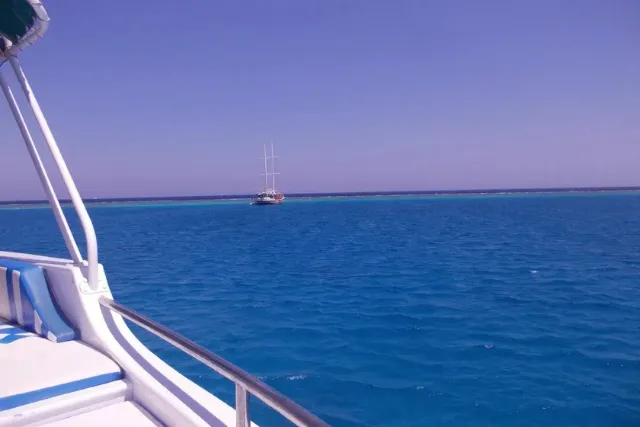
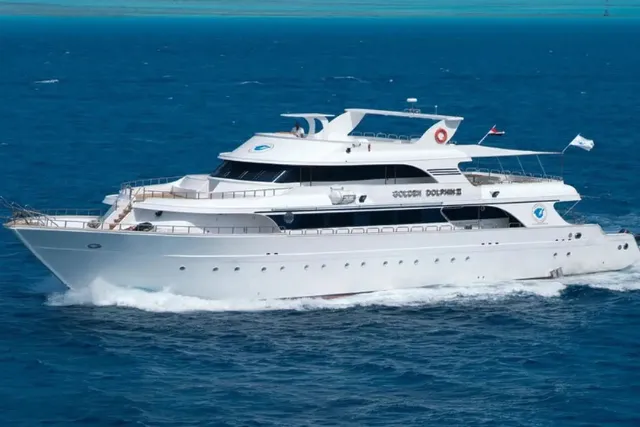
Sataya Reef snorkeling trips from Marsa Alam typically depart early in the morning and arrive at the reef by mid-morning, giving you the full prime-time window with the dolphins before the wind picks up in the afternoon — a pattern very well understood by the experienced local boat captains who run these trips.
Sataya Reef vs. Shaab Samadai: The Dolphin House Debate, Settled
Anyone researching dolphin snorkeling in Marsa Alam will quickly encounter two names: Shaab Samadai (the other famous “Dolphin House”) and Sataya Reef. They are not the same experience, and the differences matter enormously depending on what kind of traveller you are.
| Feature | Shaab Samadai (Dolphin House) | Sataya Reef (Dolphin Reef) ★ |
| Location | 11 km from Marsa Alam Marina | 45 km south, near Hamata |
| Boat Journey | 60–80 minutes | 2–2.5 hours |
| Dolphin Pod Size | 60–80 Spinner Dolphins | 80–100+ Spinner Dolphins |
| Best For | Families & first-time snorkelers | Adventurous travelers & freedivers |
| Experience Type | Highly structured (Zones A, B, C) | Wilder, more intimate experience |
| Coral Coverage | Good reef sections | Breathtaking full horseshoe reef |
| Crowd Level | Moderate to busy | Quieter, more remote |
Shaab Samadai is wonderful. It’s closer, it’s easier to access, and its strict zone management (Zone A is for dolphins only, Zone B is for snorkeling near dolphins, Zone C is a general snorkeling area) makes it a safe and genuinely rewarding experience for families and first-timers. If you are travelling with young children or very inexperienced swimmers, Samadai is probably the smarter choice.
But Sataya Reef is on another level. The extra 45 minutes of boat travel south (the total journey from Marsa Alam marina is around 2 to 2.5 hours each way) filters out the casual visitor, the crowds thin dramatically, and what you get in return is an experience that feels genuinely wild and unmediated. The pod is larger. The reef is more dramatic. The sense of being somewhere genuinely remote, somewhere that hasn’t been polished for tourism, is palpable. For travellers who have snorkeled before and are looking for something to talk about for the rest of their lives, Sataya wins.
Beyond the Dolphins: Marsa Alam’s Broader Snorkeling Hierarchy
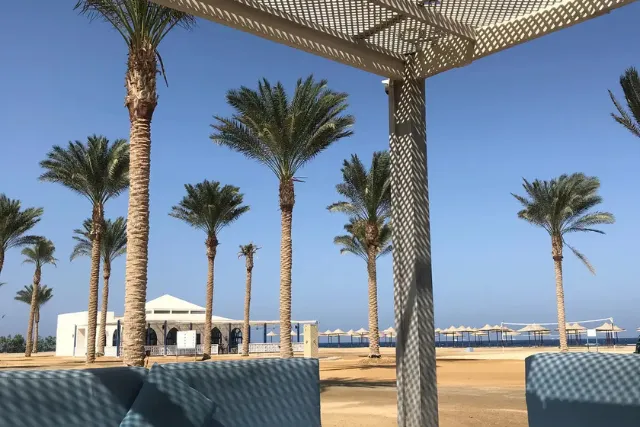
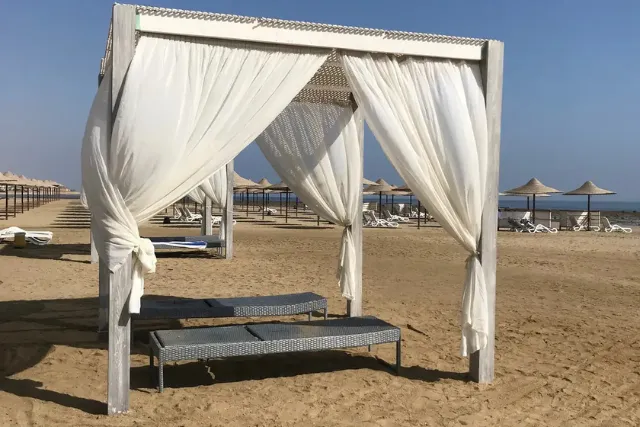
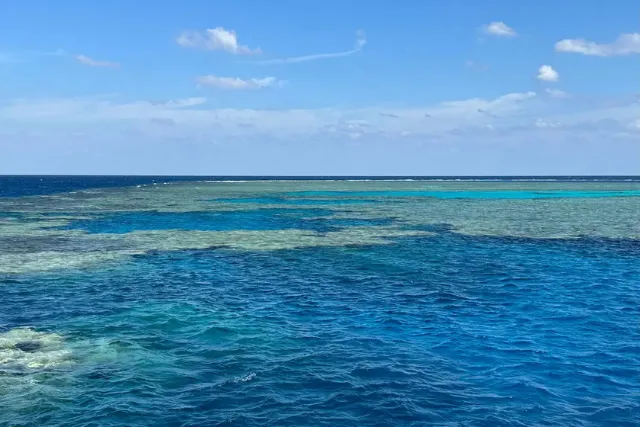
A trip centred on Sataya Reef snorkeling pairs perfectly with a few days exploring Marsa Alam’s other remarkable snorkeling sites — and the area has a remarkable range of experiences for non-divers.
Abu Dabbab Bay is the most famous site for close encounters with Giant Green Sea Turtles and the impossibly rare Dugong (Sea Cow), a large, gentle marine mammal that grazes on the seagrass meadows in the bay’s shallow waters. Egypt has one of the last healthy Dugong populations in the Red Sea, and Abu Dabbab is their restaurant — turn up at the right moment and you’ll find these prehistoric-looking creatures hovering motionless over the grass beds, completely indifferent to human observers.
Sharm El Luli — nicknamed the “Maldives of Egypt” by travel writers who clearly had not been to the Maldives — is a stunning natural cove with waist-deep turquoise water, fine sand, and coral gardens literally centimetres beneath the surface. It’s the most photogenic spot in the area and requires virtually no swimming ability at all.
Marsa Mubarak offers a slightly less crowded alternative to Abu Dabbab for turtle and Dugong sightings, with the added bonus of a more intimate beach setting.
Qulaan Mangroves, near the village of the same name, offer something genuinely unusual: snorkeling through channels of mangrove trees, which serve as nursery waters for juvenile fish. The visibility is different here — murkier, more mysterious — but the experience of floating through a mangrove forest is unlike anything else you’ll find in the Red Sea.
How to Be a Responsible Guest in the Dolphins’ Home
This section matters. Because Sataya Reef has become more popular, and because popularity has a way of gradually turning wildlife encounters into wildlife disturbance, it’s worth being explicit about what responsible behaviour looks like here.
- Never chase, touch, or attempt to interact physically with dolphins. If a dolphin approaches you, that’s wonderful — remain still and let it happen on its terms.
- Do not enter Zone A (the inner section where resting dolphins congregate) and respect all guide instructions about where to enter the water.
- Use only reef-safe, biodegradable sunscreen. Standard sunscreens contain oxybenzone and octinoxate, which are toxic to coral polyps and have been directly linked to coral bleaching. Mineral-based sunscreens (zinc oxide or titanium dioxide) are the appropriate choice.
- Avoid touching coral under any circumstances — even with fins. A single brushstroke can kill the living polyps on the surface of a coral head.
- Listen to your boat captain and snorkel guide. The best operators working Sataya Reef have been doing this for years and have a real stake in preserving the ecosystem that sustains their livelihood.
The dolphins at Sataya are wild animals living wild lives. The reason the experience is so extraordinary is precisely because it has not been engineered into a performance. Keeping it that way is a shared responsibility between operators, authorities, and visitors.
Practical Information for Planning Your Sataya Reef Visit
Best Time to Visit
For dolphin encounters specifically, the pod is resident year-round, but population numbers and activity levels are typically highest between May and July. The water is warmer in summer (surface temperatures reaching 30°C to 31°C) but the sun is also more intense — factor that into your reef-safe sunscreen planning. October through April offers more comfortable conditions for the boat journey, with calmer seas and slightly lower air temperatures. Water temperature in winter drops to around 22°C to 24°C, which many snorkelers find perfectly comfortable, though a thin wetsuit is worth considering for extended sessions.
Getting There
Marsa Alam International Airport (RMF) receives direct charter flights from multiple European cities, particularly during the winter tourism season. From the airport, Marsa Alam town is about 65 kilometres north. Most resorts in the Marsa Alam area can arrange day trips to Sataya Reef through reputable local operators. The trip to Sataya takes approximately 2 to 2.5 hours by boat — this is a full-day commitment, so plan accordingly and bring food, water, and sun protection for the journey.
What to Bring
- Your own mask and snorkel if possible — rental equipment exists but quality varies. A well-fitting mask makes a significant difference to the experience.
- Reef-safe mineral sunscreen — bring enough to reapply throughout the day.
- A light rash guard or wetsuit top — protection against sunburn while snorkeling and some warmth if you’re visiting outside peak summer.
- Motion sickness tablets if you’re prone to seasickness — the open-water crossing south of Marsa Alam can have some swell, particularly in winter.
- More water than you think you need — the Red Sea sun is relentless.
Money & Tipping
Most organised Sataya Reef snorkeling trips are priced in US dollars or Egyptian Pounds. Cash remains essential for tipping, paying at small marina kiosks, and picking up anything from local markets. appropriate tipping rates are roughly $25 to $30 per day for a guide and $15 per day for a driver. For day-trip boat crews who work hard in hot conditions for long hours, a tip of $10 to $15 per person is standard and genuinely appreciated.
Water Conditions at a Glance
- Summer (June–September): 29–31°C surface temperature, excellent visibility, stronger sun.
- Winter (December–February): 22–24°C surface temperature, very good visibility, some swell on open crossings.
Spring/Autumn: The sweet spot — moderate temperatures, calmer seas, and the tourist crowds at their thinnest.
So Why Is Sataya Reef One of the Best Snorkeling Spots in the Red Sea?
Let’s bring it all together, because that’s ultimately the question this whole piece is answering.
Sataya Reef — Dolphin House Marsa Alam — sits at the intersection of several things that are genuinely difficult to find together in a single location: an enormous resident pod of wild Spinner Dolphins that actually live on the reef and haven’t been trained or habituated to human feeding; a horseshoe-shaped coral formation that creates ideal conditions for calm, shallow, surface-level snorkeling with world-class visibility; a reef ecosystem of exceptional diversity that rewards even a beginner floating face-down with sights that experienced divers travel the world to find; and a level of relative remoteness that keeps the experience feeling wild rather than managed.
Add to that the broader context of Marsa Alam itself — a stretch of coastline with more species of megafauna (Dugongs, turtles, dolphins, Whale Sharks in season) accessible to non-divers than almost anywhere else in the Red Sea — and you start to understand why Sataya Reef snorkeling has become the answer serious wildlife travellers give when someone asks: where in Egypt should I actually go?
The pyramids will be there when you get back. Right now, the dolphins are spinning.