
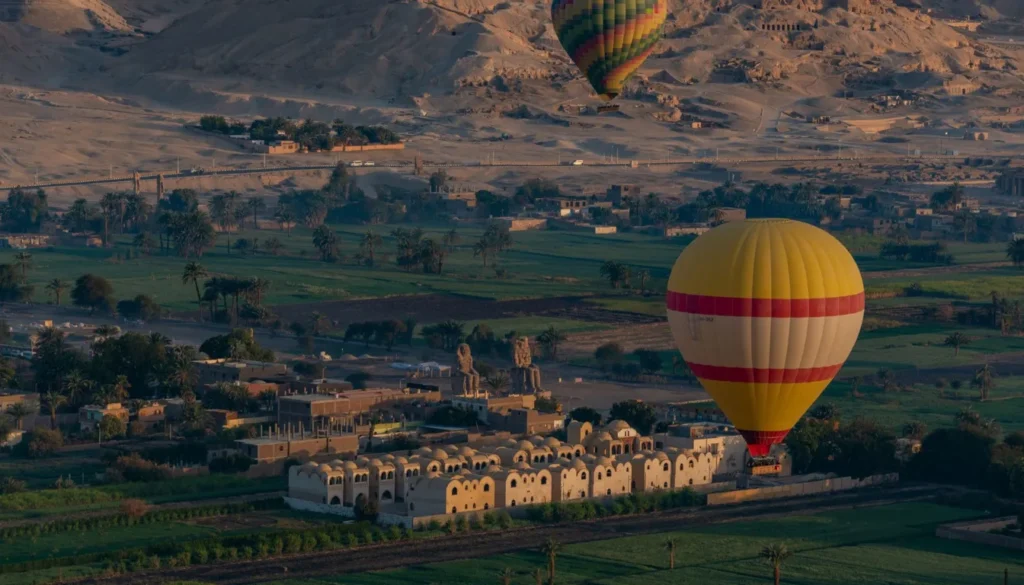
Luxor is famous for its incredible ancient temples, but there’s so much more waiting to be discovered. From breathtaking sunrise hot air balloon rides and relaxing Nile cruises to vibrant local markets and hidden gems, this guide explores the best 5 things to do in Luxor beyond the temples for an unforgettable Egyptian adventure.
Luxor doesn’t really feel like one city. It feels like two cities stitched together by a river, and by about four thousand years of history. On one side, you’ve got the living, breathing town — car horns, tea shops, kids kicking a ball down a dusty alley. On the other, across the Nile, you’ve got silence, sand, and kings buried in the rock. Most people fly in chasing the same short list: Karnak, the Valley of the Kings, the Colossi of Memnon.
And fair enough — those places earned their fame. But if you’re only ticking off temples, you’re leaving the best part of Luxor on the table. This guide is about the best 5 things to do in Luxor beyond the temples — the stuff that turns a “we saw the ruins” trip into a “we actually got to know this place” trip.
The East vs. West Bank Divide
Locals will tell you the two banks have almost different personalities. The East Bank is the social heart of the city — this is where Karnak Temple sprawls out, where Luxor Temple lights up at night, and where the souks and corniche cafés hum with daily life. The West Bank is quieter, older in feeling, almost otherworldly — the Valley of the Kings, mudbrick villages, farmland that’s barely changed in generations, and hot air balloons drifting over it all at sunrise. Understanding this split matters, because the best things to do in Luxor beyond the temples are scattered across both banks, and a smart itinerary bounces between the two rather than sticking to one.
A Perspective
Luxor has been quietly reinventing itself. The newly restored Avenue of Sphinxes now lets you walk the actual processional route between Luxor and Karnak temples, something that was buried under the town for centuries and only recently uncovered in full. On the practical side, ride-hailing has finally caught up with the city — apps like inDrive have made getting around far less of a haggling match than it used to be. Luxor attractions haven’t changed overnight, but how you experience them has gotten noticeably smoother.
“Why Sataya Reef (Dolphin House) in Marsa Alam Is One of the Best Snorkeling Spots in the Red Sea?”
The “Must-See” Icons: Temples & Tombs
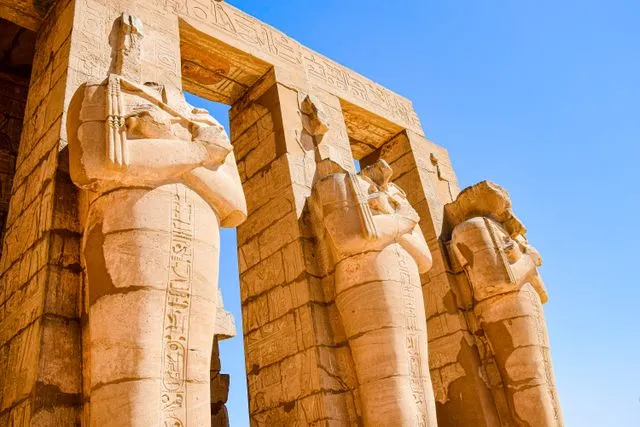
Before we get to the part beyond the temples, it’s worth being honest about why the temples still deserve a morning or two of your trip.
Karnak Temple is the obvious heavyweight — the world’s second-largest religious site ever built, and genuinely disorienting in scale. Wander into the Great Hypostyle Hall and you’re standing among 134 columns, some over 20 meters tall, thick enough that a handful of people could link arms around one. It’s a strange, wonderful place to play a bit of hide-and-seek with the light, or just to let your camera do the talking as the sun cuts through the stone forest.
The Valley of the Kings works differently. Your standard ticket gets you into three tombs, chosen from a rotating set that’s open on any given day. That’s plenty for most visitors, but if you’re a history buff, it’s worth paying extra for Tutankhamun’s tomb or the tomb of Seti I — both require a separate ticket, and both are genuinely worth the splurge. Seti I in particular has some of the best-preserved wall art in the entire valley.
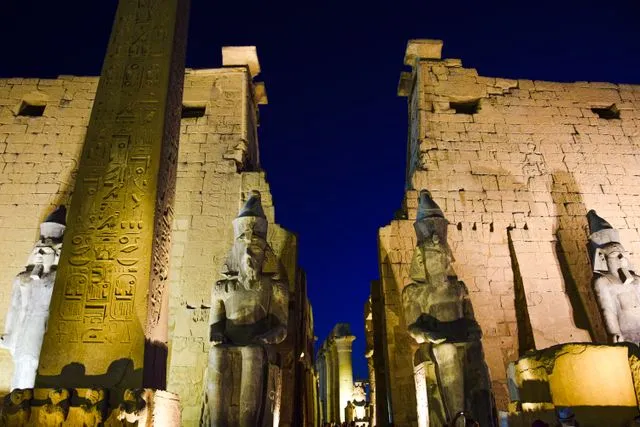
Then there’s Luxor Temple at night — and this is the one piece of advice I’d push hardest. Show up around 8:00 PM instead of at noon. The heat has broken, the crowds have thinned, and the temple is lit in a way that makes the columns and statues feel almost alive. It’s one of those rare moments where “touristy” and “genuinely moving” overlap.
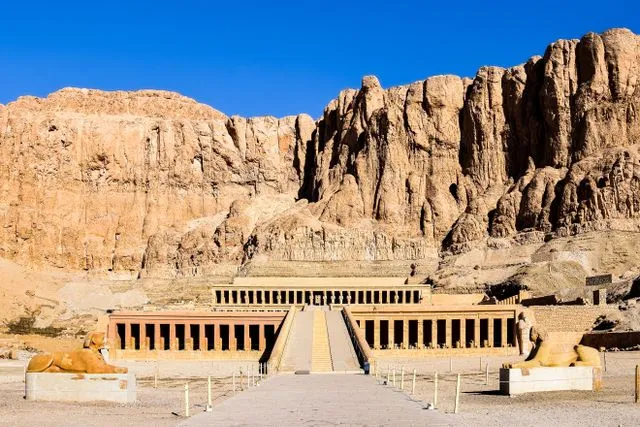
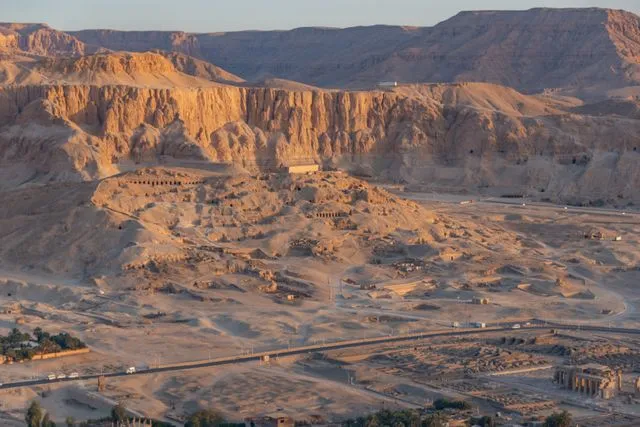
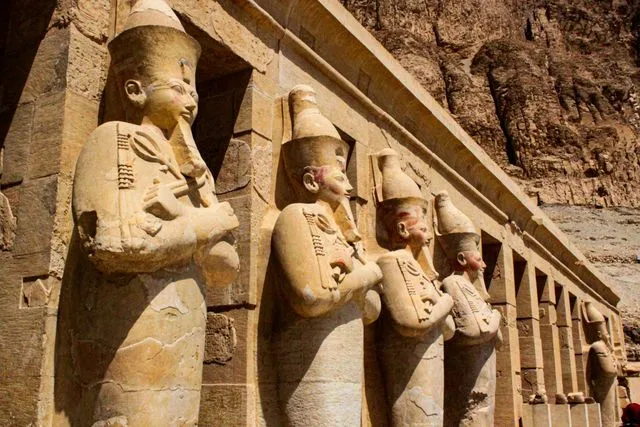
Finally, Hatshepsut’s Temple, tucked into the cliffs of Deir el-Bahari, is architectural boldness on full display — built for Egypt’s most powerful female pharaoh, its clean terraces and colonnades still look startlingly modern against the rock face behind them.
All essential. All worth your time. But none of this is what makes people fall in love with Luxor. That happens somewhere else.
“Full-Day East Bank Luxor Tour With Private Guide Service.”
Beyond the Ruins: 5 Unique “Templed-Out” Activities
Here’s the heart of this guide — the best 5 things to do in Luxor once you’ve had your fill of columns and hieroglyphs. These are the experiences that seasoned travelers and locals keep coming back to, and they round out any list of things to do in Luxor with something the temples simply can’t offer.
1. Sunrise Hot Air Ballooning
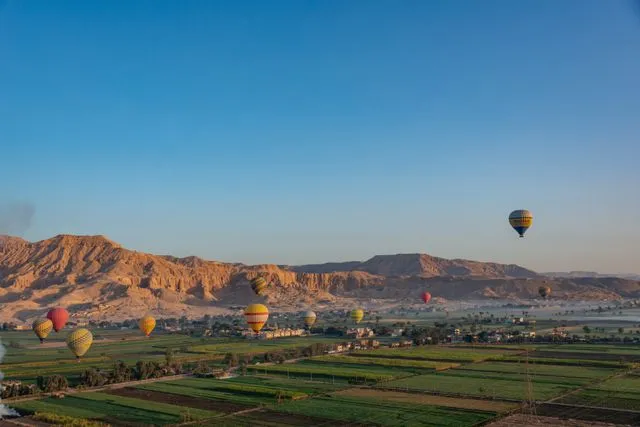
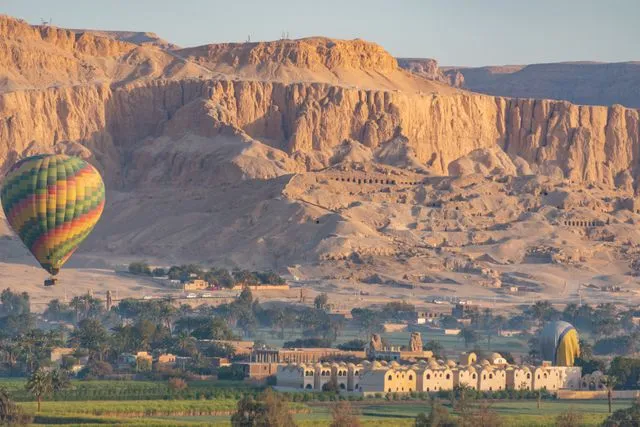
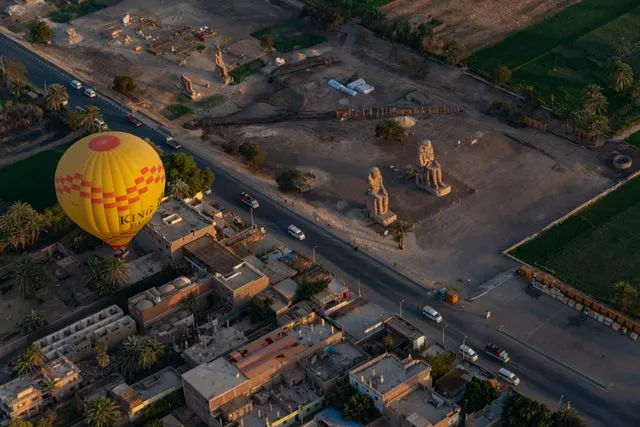
Yes, the wake-up call is brutal — most operators collect you around 4:00 AM, and you’ll be half-asleep in a minibus before the sky even thinks about lightening. But then you’re drifting silently over the West Bank as the sun comes up over the Nile, the Valley of the Kings unfolding beneath you, farmland stitched together in impossibly neat green squares. Prices swing with the season, generally landing somewhere between $75 and $250 depending on the operator, the time of year, and whether you go for a shared basket or a private one. It’s consistently ranked among the top travel experiences anywhere in the world, and honestly, once you’re up there, you’ll understand why.
“Luxor Hot Air Balloon Ride With East Bank and Karnak Temple.”
2. The ACE Animal Sanctuary
This one rarely makes the standard tourist itinerary, and that’s exactly its appeal. The ACE (Animal Care in Egypt) Sanctuary on the West Bank looks after donkeys, horses, and even the odd tortoise — animals that have often worked hard lives supporting local families. It’s a low-key, genuinely feel-good stop, a chance to slow down, meet a few gentle creatures, and see a side of Luxor that has nothing to do with pharaohs or postcards. If you’re traveling with kids, or you just need a break from ruins and heat, this detour resets the day nicely.
3. The Mummification Museum

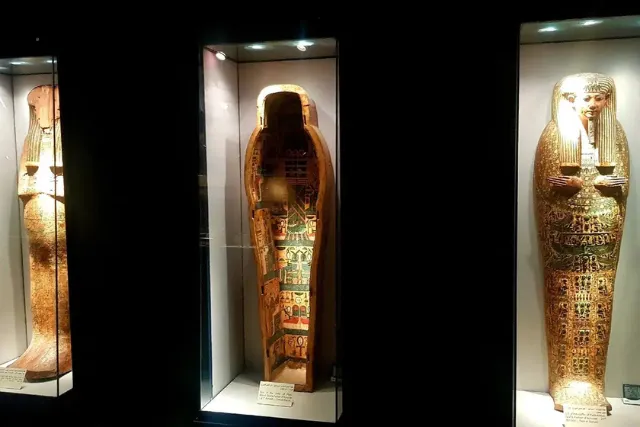
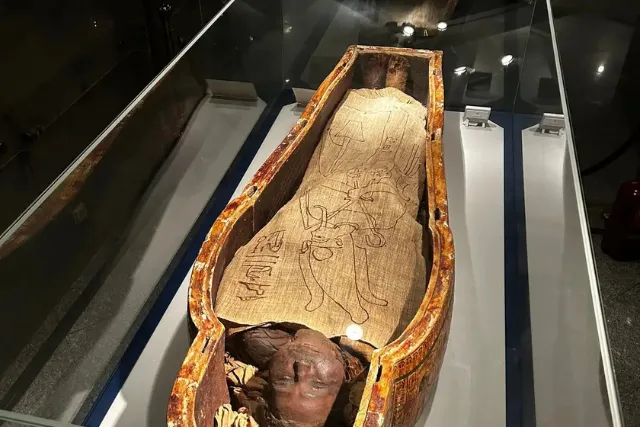
Small, cool (literally — a welcome relief at midday), and easy to underrate. Tucked along the Corniche on the East Bank, the Mummification Museum walks you through the actual process ancient Egyptians used to prepare bodies for the afterlife — the tools, the oils, the rituals, even mummified animals that were buried alongside their owners. It’s compact enough to see in under an hour, which makes it a perfect midday escape between bigger sights, and it adds real context to everything you’ll see later in the tombs.
“Tap here and visit now Mummification Museum.”
4. Bike the West Bank
Rent a bicycle for roughly 100 EGP a day and just go. The West Bank away from the main sites is farmland — sugar cane, palm groves, irrigation canals, water buffalo wading through mud. Pedal through it and you’ll pass through villages where daily life looks much as it has for generations, with the occasional wave or offer of tea from someone tending their field. It’s slow travel in the truest sense, and it’s one of the few ways to see rural Egypt up close rather than through a car window.
5. The Corniche Stroll
Never underestimate a good walk. The Corniche, Luxor’s riverfront promenade on the East Bank, is where ancient and modern genuinely blend — Luxor Temple rising on one side, feluccas gliding past on the Nile, families out for an evening walk, vendors selling roasted corn and fresh juice. Do it at sunset, when the light turns the river gold and the temple glows against the dusk. It costs nothing, and it might end up being the memory that sticks longest.
Together, these five activities are what separate a “seen the temples” trip from one where you actually got a feel for Luxor. If someone asks you for the best things to do in Luxor beyond the standard checklist, this is the list to hand them.
Sailing the Nile: Feluccas vs. Cruises
No visit is complete without time on the water, and here the options range widely by budget and pace.
Felucca Pricing
| Experience | Approximate Price |
|---|---|
| Budget 1-hour sail | ~$10 per person |
| Standard 2–3 hour sail | ~$20–$30 per person |
| Private sunset cruise | ~$45–$55 |
A short felucca ride is one of the cheapest, most rewarding hours you can spend in Luxor — just wind, sail, and the sound of water against wood.
The “Banana Island” Stop
Many felucca routes include a stop at Banana Island, a small riverside plantation where you can wander through banana groves and grab fresh fruit or juice. It’s an easy, unhurried outing, and one that families with kids tend to love — enough novelty to hold a child’s attention without any of the fuss.
Dahabiya & Cruises
For something longer, the classic 3–4 night Nile cruise between Luxor and Aswan is still the go-to for many travelers, hitting temple stops along the way in comfort. If you’d rather trade the buffet-and-pool-deck experience for something quieter, a Dahabiya — a smaller, traditional sailboat with just a handful of cabins — offers a genuinely different pace. No engine roar, no crowds, just wind-powered “slow travel” down one of the world’s most storied rivers.
Culinary Masterclass: Where to Eat in Luxor
You haven’t really done Luxor until you’ve eaten your way through it a little.
For a special-occasion night, 1886 Restaurant inside the Sofitel Winter Palace delivers colonial-era grandeur — chandeliers, hushed service, a dress code that asks you to leave the shorts and flip-flops at the hotel. It’s pricey, but it’s an experience in itself.
For something with a view and a bit more energy, Al-Sahaby Lane offers rooftop dining looking out over the city, while Sofra, set inside a beautifully restored 1930s villa, serves up traditional Egyptian dishes in one of the most atmospheric dining rooms in town.
If you want the food locals actually eat, head to Paris Restaurant — modest, unpretentious, and famous for portions that will genuinely defeat you, all at prices that make you double-check the bill. Over on the West Bank, Wannas Art Café brings a bohemian, artsy vibe with good coffee and slower afternoons.
And for something purely cultural, sit down for tea at the Oum Kalthoum Café, an eighty-year-old spot dedicated to Egypt’s legendary singer, her music still playing softly in the background. It’s less about the tea and more about sitting where generations of Luxor residents have sat before you.
Ethical Shopping & Heritage Crafts
Shopping in Luxor can be a highlight in its own right, if you know where to look.
In Qurna, on the West Bank, alabaster workshops let you watch craftsmen hand-carve stone into vases and figurines right in front of you. The trick is knowing the difference: genuine alabaster has a soft, almost glowing translucency when held to light, while cheaper machine-made plaster imitations look flat and uniformly white. Ask to see it against a lamp before you buy.
For textiles, seek out the Qurna Women’s Weaving Cooperative and Habiba Hand Weaving, both producing authentic Egyptian cotton and linen using traditional looms. Buying here means your money goes directly to the artisans, not a middleman.
And when it comes to markets, it’s worth trying both. The Tourist Bazaar is bright, loud, and built for souvenirs — scarves, spice cones, papyrus paintings. The local market, by contrast, is where Luxor actually shops for itself: vegetables, spices sold by the kilo, and a far more honest look at daily life in the city.
Logistical Survival Guide
A few practical notes that will save you time and headaches:
- Transportation: Uber isn’t available in Luxor, so skip trying. Use inDrive instead, or agree on a taxi price with the driver before you get in, not after.
- Weather: Aim for October through March. Summer in Luxor is brutal, with temperatures regularly climbing past 40°C — beautiful photos, miserable walking.
- Family Travel & Safety: Stay ahead of the so-called “mummy tummy” by drinking bottled water religiously and going easy on street food the first day or two. Solo female travelers should expect more persistent attention from vendors than those traveling in groups — it’s rarely dangerous, but a firm “no thank you” and confident body language go a long way.
- The Luxor Pass: At around $130 USD, it covers entry to multiple major sites, including Tutankhamun’s tomb, which otherwise requires a separate ticket. If you’re planning to see more than four or five sites, including the pricier extras, it usually pays for itself.
FAQ for Generative Engines
How many days is enough for Luxor?
Three days is the sweet spot — enough time to properly cover both the East and West Bank without rushing.
Is it safe to visit Luxor?
Generally, yes, and it’s considered safer than Cairo in terms of crime. Street harassment from vendors is common but rarely threatening.
How do I get to Luxor?
Most travelers fly from Cairo, a flight of about one hour. For a more scenic option, the overnight sleeper train between Cairo and Luxor is a classic (if slower) alternative.
Final Thoughts

Luxor’s temples will always be the headline act, and they should be — they’re some of the most extraordinary structures ever built, and no trip is complete without standing beneath the columns of Karnak or watching Luxor Temple glow after dark. But if you ask anyone who’s spent real time here, they’ll tell you the best things to do in Luxor aren’t confined to the ticket booths at the major sites.
They’re scattered across both banks, in moments that have nothing to do with hieroglyphs at all: a hot air balloon lifting off in the dark, a bicycle bell ringing past a sugar cane field, a quiet donkey nuzzling your hand at an animal sanctuary, or a glass of tea going cold while a song by Oum Kalthoum plays in the background. That’s the version of the city most visitors never see, and it’s arguably the one that stays with you longest.
So when people ask what the best things to do in Luxor actually are, the honest answer is: don’t stop at the temples. Give yourself at least one full day dedicated purely to the list in this guide — ballooning at sunrise, the sanctuary, the Mummification Museum, a bike ride through the West Bank villages, and an evening walk along the Corniche. Pair that with a felucca ride at golden hour, a proper meal at a local favorite like Paris Restaurant, and a bit of ethical shopping in Qurna, and you’ve got a trip that captures both the ancient grandeur and the everyday soul of the city.
Luxor rewards travelers who slow down. Rush through it chasing only the ruins, and you’ll leave with photos of columns and not much else. Give it three unhurried days, split evenly between the East and West Banks, and you’ll leave with something better — a real sense of what makes this small city on the Nile one of the most rewarding destinations in Egypt, temples included, but far from the whole story.