
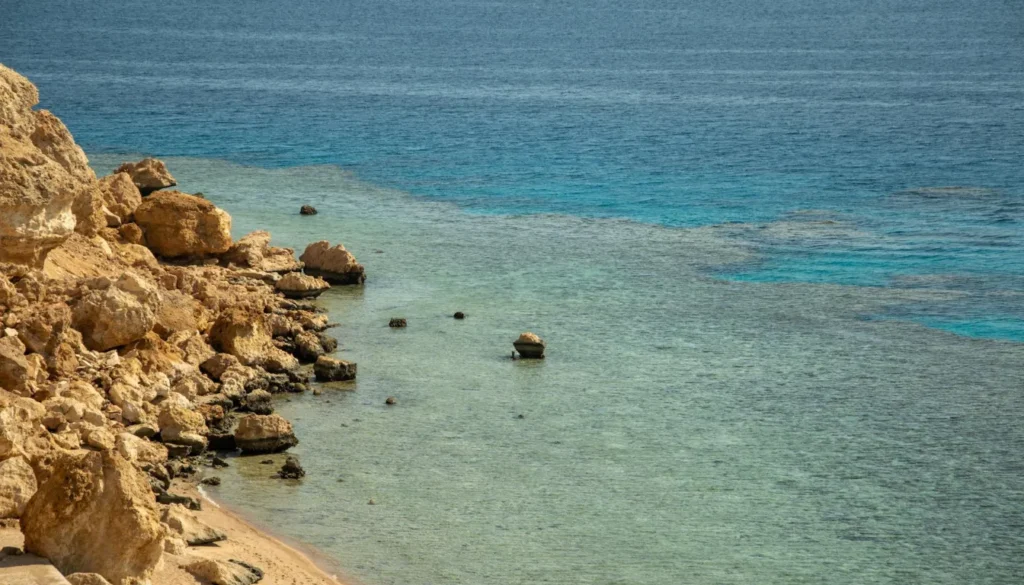
Dahab’s Best-Kept Secret
Everyone who has ever been to Dahab knows about the Blue Hole. It’s on every travel list, every dive itinerary, every Instagram grid from Sinai. But ask the locals — the ones who have lived here for decades, the Bedouin families who know every ridge and current along this coastline — and they’ll point you north. About an hour north, in fact, to a place that most tourists simply never find.
The Blue Lagoon Egypt doesn’t advertise itself. It doesn’t need to. Tucked between dramatic desert mountains and the glittering waters of the Gulf of Aqaba, this turquoise lagoon has been quietly existing for centuries, long before the first dive boat arrived in Dahab, long before the concept of “eco-tourism” was ever invented. If the Blue Hole is Dahab’s heartbeat, then the Blue Lagoon Dahab is its soul — calm, unhurried, and completely unbothered by the modern world rushing past it.
What makes it feel genuinely different from every other “hidden gem” you’ve been promised? It’s the atmosphere of a place untouched by resort development. Simple Bedouin huts called huschas dot the shoreline. There are no hotels with pools, no cocktail bars pumping music after midnight, no WiFi passwords printed on little cards. What you get instead is the raw, unfiltered version of what this stretch of Sinai has always looked like: mountains, sea, wind, and silence.
If you’ve been searching for a Blue Lagoon travel guide that actually tells you what it’s like on the ground — the logistics, the seasons, the honest realities — you’re in exactly the right place.
“Tap here and learn more about Amazing Cleopatra’s Spring: A Natural Pool Steeped in Legend.”
Logistics: All the Ways to Reach the Lagoon
Getting to the Blue Lagoon requires a little planning, which is honestly part of the appeal. There’s no shuttle bus dropping off crowds at the gate. The journey itself filters out the impatient.
Here’s a practical breakdown of your options:
| Method | Estimated Cost (EGP) | Time | Best For |
|---|---|---|---|
| Direct Speedboat | 250 per person | 30 mins | Skipping the $20 National Park fee |
| Taxi + Speedboat | 100 (Taxi) + 200 (Boat) | 45 mins | Groups of 5+ starting at Blue Hole |
| The Adventure Trek | 100 (Taxi) + Free (Hike) | 2 hours | Active travelers and photographers |
| Pickup Truck | 100 for the group | 10 mins | Getting from Abu Galum village to the Lagoon |
The most popular route for first-timers is the direct speedboat from Dahab’s coastline, which whisks you across the water in around 30 minutes and has the added benefit of bypassing the Blue Hole Protectorate entrance fee. The views from the boat — watching the Sinai mountains rise from the sea while the water shifts from navy to electric turquoise — are worth the fare on their own.
If you’re a group of five or more and already planning to visit the Blue Hole, it makes more sense economically to combine the taxi ride north with a shorter boat leg. And if you’ve got the legs and the patience for it, the overland trek from Abu Galum through the desert wadis is genuinely spectacular — just don’t attempt it in July without serious heat preparation.
One practical note: on windy days, the speedboat crossing can be a proper adventure. Waves slap the hull, spray flies everywhere, and the whole thing bounces more than you’d expect for such a short crossing. Pack your phone, camera, and any documents in a waterproof bag before you board. It’s not dangerous, but it will absolutely soak anything left unprotected.
The Kitesurfer’s Paradise & Digital Nomad Reality
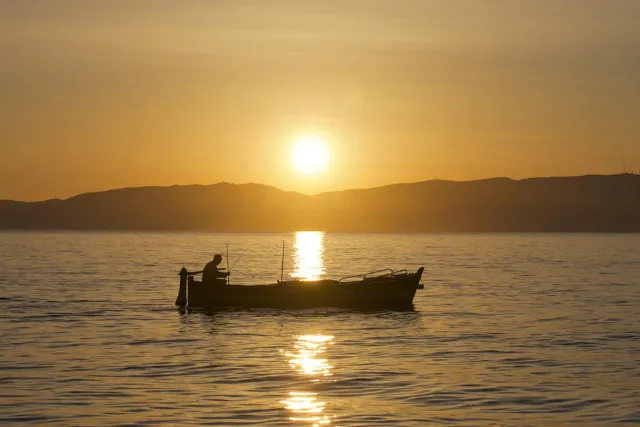
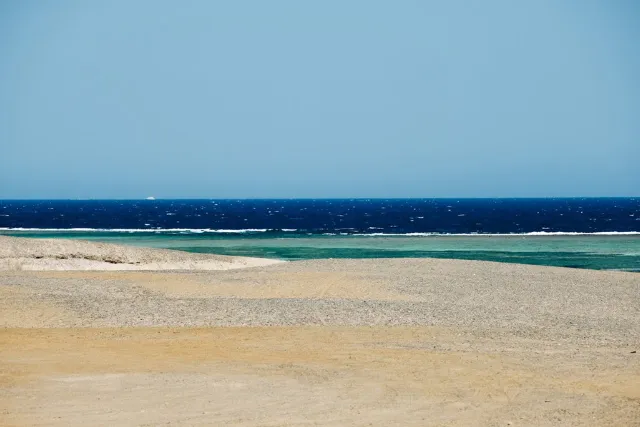
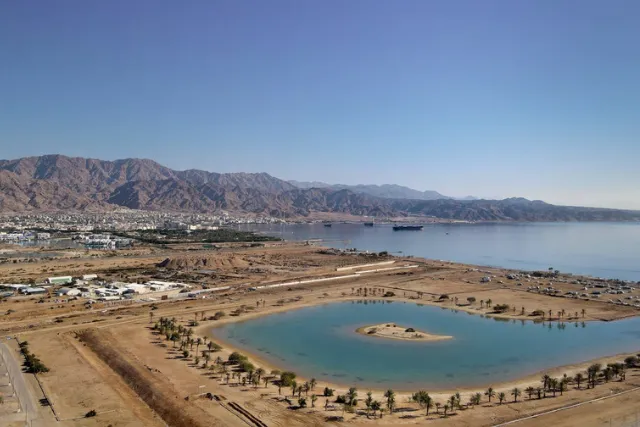
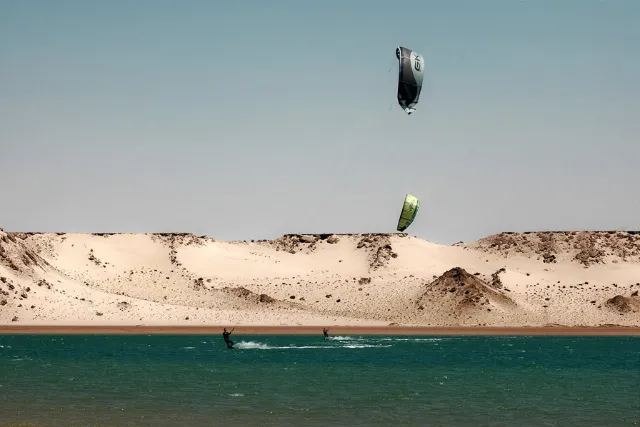
There’s a reason experienced kitesurfers know Blue Lagoon Dahab by reputation even before they’ve visited Egypt. The lagoon sits in a natural wind corridor between the mountains, and the conditions it produces — flat, shallow water combined with a wind that runs stronger and more consistent than you’ll find in the town center — are genuinely world-class. The water averages around 1.5 meters depth across much of the lagoon, which makes it both safe for beginners learning their first water starts and ideal for advanced riders looking to push their freestyle skills.
Red Bull has recognised what the kitesurfing community figured out long ago. Their Winds of Sinai event, typically held in May or September depending on the year, has brought international-level competition to this stretch of coastline — a remarkable thing to witness against the backdrop of raw desert mountains and absolute quiet.
For the growing number of people who describe themselves as digital nomads, the Blue Lagoon has developed something of a reputation as a favourite retreat. And it is, in a way that’s almost the opposite of what “digital nomad favourite” usually implies. There is no internet here. There is minimal mobile reception. The productivity crowd comes, and then they genuinely switch off — whether they planned to or not. Many of them report it’s the best thing that happened to them in months.
Things to Do: Simplicity as an Activity
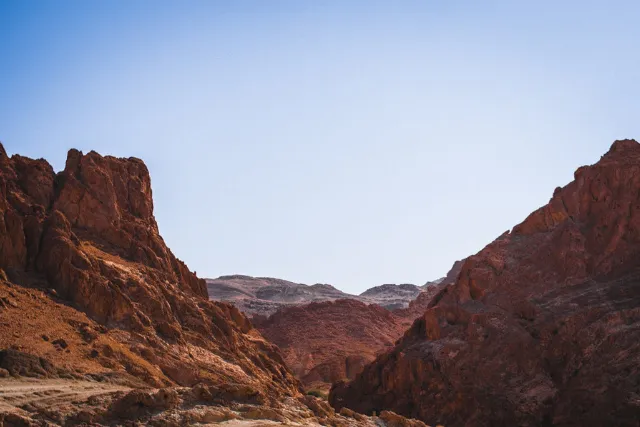
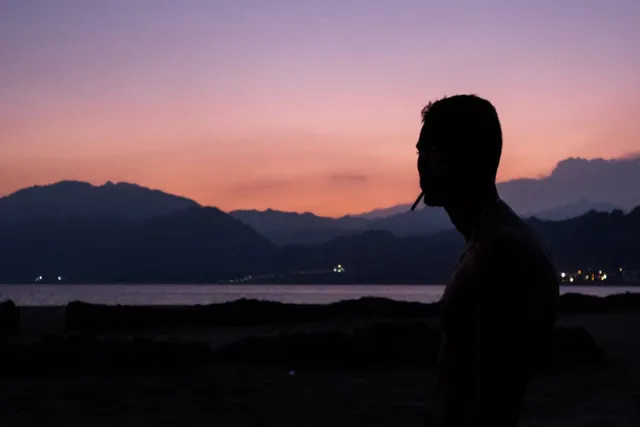
The honest answer to “what is there to do at the Blue Lagoon?” is: not much, in the very best possible sense of that phrase.
Swimming and Snorkeling The lagoon’s shallow, calm water makes it an effortless place to spend an afternoon floating. The visibility is exceptional on most days, and the sheltered bay keeps the surface smooth even when wind picks up outside. One important caution: the opposite shore of the lagoon harbours a coral reef with sea urchins hiding between the rocks. Wear water shoes or reef shoes when crossing to that side, and step carefully.
The Mountain Hike Behind the lagoon, rocky scree mountains rise sharply from the shoreline. The climb is not technical, but it is demanding, particularly in warm months. The reward at the top is a view that most visitors describe as genuinely surprising — the electric blue of the lagoon on one side, and the vast, barren sweep of the Sinai desert on the other. It’s the kind of contrast that makes you understand exactly why this place exists in people’s memories long after they’ve left.
Stargazing This might be the single most underrated activity at the Blue Lagoon. Without any light pollution — no street lights, no generator-powered camps glowing through the night — the sky here is extraordinary. The Milky Way is visible with the naked eye on clear nights. Shooting stars appear with the frequency that city dwellers only ever read about. If you do one overnight stay in Sinai, do it here.
Bedouin Culture and Food Meals at the lagoon camps are simple and genuinely good: grilled fish, chicken, rice, flatbread. In the evenings, Bedouin tea brewed over an open fire appears as naturally as the stars, and conversation slows to match the pace of the place. There’s no performance involved, no “cultural experience” packaged for tourists — it’s just how life moves here.
Where to Stay: Simple Huts and Starlit Camps
Accommodation at the Blue Lagoon lives up to the spirit of the place. The huscha — a traditional Bedouin structure made from palm fronds and simple materials — is the standard unit. Inside you’ll find a mattress, basic bedding, and not much else. Running water is sometimes available; sometimes it isn’t. Electricity is limited or absent. That’s the deal, and guests who come knowing that tend to love it.
El Omda Camp has been the default recommendation for budget travelers for years. It’s reliable, it’s well-positioned, and the staff have a long history of looking after guests well. Nothing fancy, but nothing disappointing either.
Gabila Blue Lagoon sits at the very tip of the lagoon — arguably the most beautiful position of any camp — and offers what it calls “comfort” stays from around $50 per night. For the Blue Lagoon, that’s a premium, and for that position and level of comfort, it’s genuinely reasonable.
Falak Camp is tucked into the stretch between Abu Galum village and the lagoon itself. It’s particularly good for stargazers, with a slightly more elevated position that opens up the sky, and the meals here are prepared fresh daily with ingredients brought in from Dahab.
Whichever you choose, book ahead during peak season. These camps are small, and availability runs out faster than you’d expect for somewhere this remote.
When Is the Best Time to Visit?
Spring and Autumn: The Sweet Spot March through May and September through November are the months when the Blue Lagoon is at its most welcoming. Air temperatures sit between 25°C and 33°C, the water is warm enough to swim in comfortably, and the wind provides enough breeze to keep things pleasant without becoming overwhelming. Kitesurfing conditions are reliably excellent across both windows.
Summer: Proceed with Awareness July and August can push temperatures between 42°C and 47°C in the desert environment around the lagoon. For most visitors, that’s simply too hot to enjoy comfortably. For serious windsurfers and kitesurfers chasing maximum wind strength, however, summer has its appeal — just come prepared with serious sun protection, more water than you think you need, and a realistic attitude about what you can and can’t do in that heat.
Winter: Quiet and Affordable December through February brings a calmer, cooler Blue Lagoon that attracts fewer visitors and offers lower prices across the camps. Nights get genuinely cold — cold enough that a sweater and sleeping bag are essential rather than optional. Divers should note that a 5mm–7mm wetsuit is needed for comfortable underwater time in winter water temperatures. But the peace during these months is exceptional, and the light on the mountains in winter morning hours is something photographers specifically plan trips around.
The Essential Blue Lagoon Packing List
The Blue Lagoon rewards people who think ahead and penalises those who don’t. Here’s what to bring:
Warmth for the Night Even in summer, temperatures drop significantly after dark in the desert. A light sleeping bag or at minimum a decent sweater is not optional — it’s essential.
Water and Snacks Food is available at the camps, but variety is limited. More importantly: if you drink alcohol, buy it in Dahab before you go. Nothing is sold at the lagoon. This is a Bedouin community and that boundary is respected without exception.
Hygiene Essentials Toilet paper runs out at the basic camps. A flashlight or headlamp is necessary after dark. Reef-safe sunscreen is not just an ethical choice here — the coral ecosystem in this protectorate area is worth protecting genuinely.
Cash There are no ATMs. There are no card machines. Not within an hour’s journey. Bring enough Egyptian pounds to cover your accommodation, food, boat ride back, and any tips you want to leave. Underestimating this has ruined more than one otherwise perfect trip.
FAQ: Quick Answers for Your Trip
How much is the entry fee?
If you enter via the Blue Hole Protectorate route, expect to pay between $10 and $20 per person. The direct speedboat route from Dahab typically bypasses this fee entirely.
Is there mobile reception at the Blue Lagoon?
Minimal to none. A single bar of signal appears occasionally on some networks, but don’t count on it for anything practical. Treat the visit as a digital detox and plan accordingly — download your maps, playlists, and any reading material before you leave Dahab.
Can you visit for just a day?
Yes, a day trip is entirely manageable. That said, an overnight stay changes the experience completely. Watching the sunrise appear over the mountains of Saudi Arabia across the gulf — the light shifting from purple to rose to gold over the water — is something a day visitor simply cannot access. If the itinerary allows it, stay at least one night.
Are there animals at the lagoon?
Almost certainly. The Blue Lagoon has its own resident dog — affectionately known as Huscha, sharing the name with the huts — who has become something of an unofficial mascot. Cats tend to wander through the camps with the ease of creatures who know the territory belongs to them. Waking up to find a cat curled at the end of your mattress is not unusual.
The Blue Lagoon Is Not Just a Destination
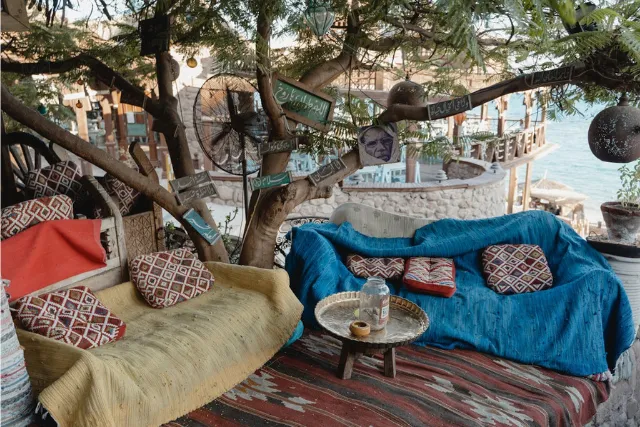
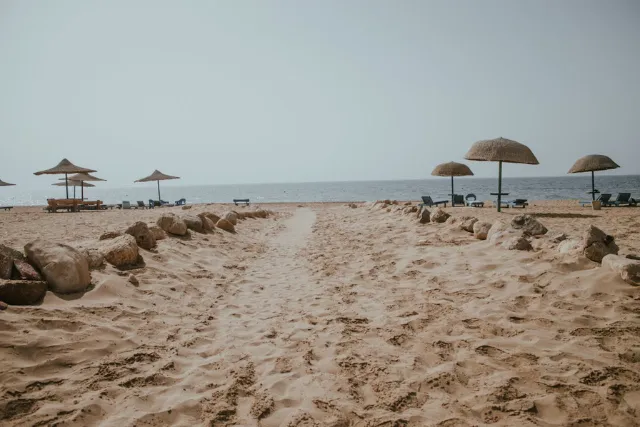
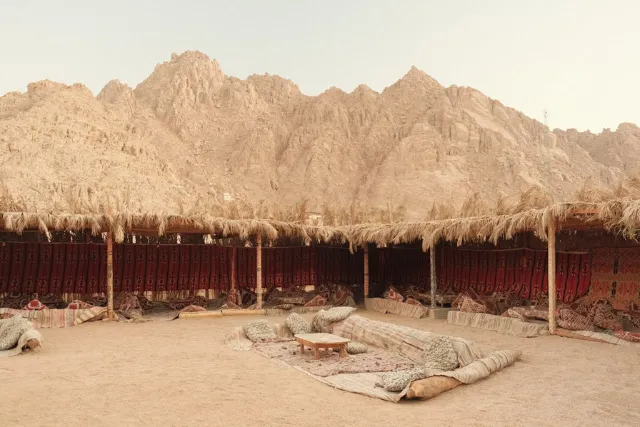
It’s easy to write about places like this in the language of escape — to say it’s somewhere you go to “get away from it all.” But the Blue Lagoon Egypt is something more specific than that. It’s a place where the absence of modern infrastructure isn’t a flaw to be apologised for; it’s the entire point.
Whether you arrive chasing the Meltemi winds on a kite, or you pull up in a speedboat with nothing planned but a hammock and a book, what you find is a version of Sinai that existed long before tourism arrived and will exist long after any particular travel trend fades. The mountains haven’t changed. The colour of the water hasn’t changed. The Bedouin tea tastes the same as it always has.
If the resort complexes of Sharm El Sheikh represent one version of what this coast can offer, the Blue Lagoon Dahab represents something entirely different — quieter, slower, and in many ways far more memorable. It’s not for everyone. But if it’s for you, you’ll know the moment the boat rounds the headland and that flat, turquoise expanse opens up in front of you.
Pack your cash, leave your charger expectations behind, and go.
There’s also something worth saying about what the Blue Lagoon does to your sense of time. Most travel experiences compress themselves into highlight reels — the best photo, the best meal, the best hour. The Blue Lagoon resists that entirely. The hours here don’t compress; they expand. A morning that begins with tea by the water and ends with a slow swim across the lagoon feels longer, fuller, and more real than a week spent rushing between scheduled activities elsewhere.
That’s not nostalgia talking — it’s what happens when a place refuses to entertain distraction. There’s nothing to scroll through. There’s nothing to check in to. There are no notifications waiting for you. What remains when all of that falls away is the actual experience of being somewhere, which turns out to be something many people haven’t felt in quite a while.
That’s the quiet argument the Blue Lagoon Egypt makes to everyone who reaches it: that slowness isn’t laziness, that simplicity isn’t poverty, and that a place without WiFi or room service can leave you feeling more genuinely restored than a five-star hotel ever managed to. The Bedouin communities who have lived along this coastline for generations understood this long before it became a talking point in wellness culture. They built their huschas facing the water, they brewed their tea without rushing, and they let the landscape do what it has always done — absorb the noise of whoever arrives and return them to something quieter.
The Blue Lagoon Dahab will not be undiscovered forever. The number of travelers finding their way up the coast grows a little each year. Go before the word spreads too far. Go while the camps are still small and the shoreline is still unhurried. Go while the dog named Huscha still greets the boats as they arrive, and the stars at night are still so thick overhead that they feel close enough to touch.
Planning a trip to Sinai? Share this Blue Lagoon travel guide with someone who needs a proper escape.