
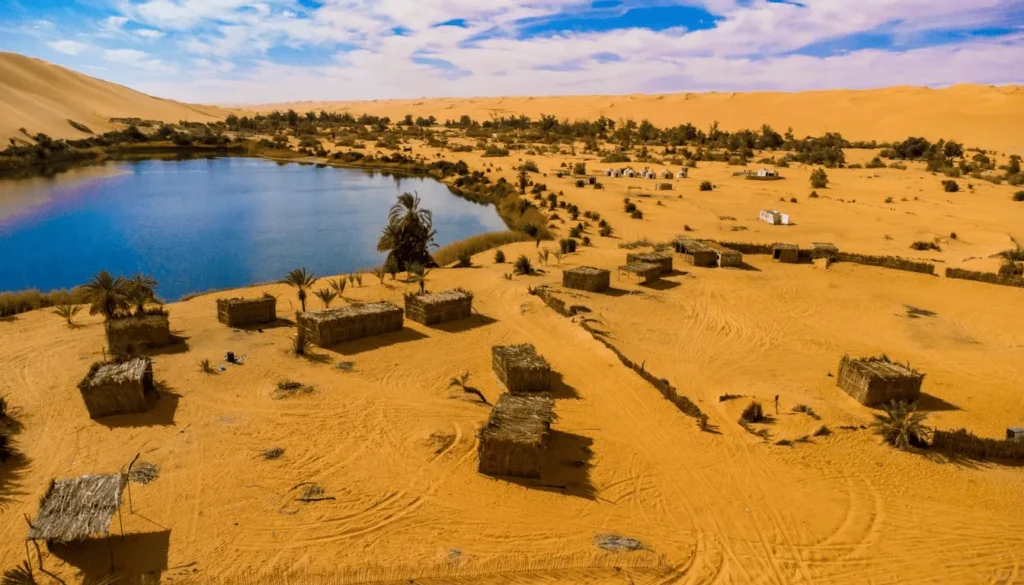
The ‘Green’ Rebirth of the Pharaohs
Discover the best eco egypt destinations for travelers who want to explore Egypt responsibly. From pristine beaches to peaceful desert oases, these eco-friendly spots combine natural beauty with sustainable travel experiences. Plan a greener adventure and enjoy the best of Egypt while protecting its environment.
When most people think about Egypt, their minds go straight to Giza, the Valley of the Kings, and the endless rows of souvenir shops selling miniature Sphinx figurines. That image is not wrong — but it is increasingly incomplete. Quietly and steadily, Egypt is building a second identity: one rooted in desert silence, coral gardens, and communities that have learned to live with their environment rather than against it.
The best eco-friendly destinations to visit in Egypt are not tucked away in a guidebook footnote. They are fully functioning places where travellers eat, sleep, explore, and leave feeling like they actually gave something back. This is the world of eco tourism Egypt is investing in, and if you have been thinking about visiting, 2026 is a genuinely good year to come.
Egypt Vision 2030, the country’s national development master plan, is actively working toward all 17 UN Sustainable Development Goals. One of its flagship projects is the New Administrative Capital, which is being designed to run on renewable energy from the ground up. That policy ambition filters down to tourism, and what you find on the ground reflects it.
“Tap here and learn more about Top 5 Desert Safari Experiences in Egypt for Adventure Seekers.”
The New Gold Standard: Understanding Egypt’s ‘Green Star’ Rating
Before diving into the destinations themselves, it is worth understanding a system that will help you tell the difference between genuine eco-friendly stays and properties that have simply painted a leaf on their logo.
Egypt’s Green Star certification is a national programme that evaluates hotels on measurable outcomes: water conservation targets, waste reduction practices, energy efficiency, and the fair treatment of local staff. To date, more than 80 properties with a combined capacity of over 20,000 rooms have earned this rating. That is a meaningful number, and it gives travellers in Egypt a reliable filter when booking accommodation.
If a property carries the Green Star, it has been audited, not just self-certified. That distinction matters enormously when you are trying to make responsible choices on an Egypt travel guide level. Without it, ‘eco-friendly’ can mean almost anything — or nothing at all.
Destination Deep Dives: Egypt’s Top 5 Eco-Friendly Sustainable Hubs
1. Siwa Oasis — The Desert Escape
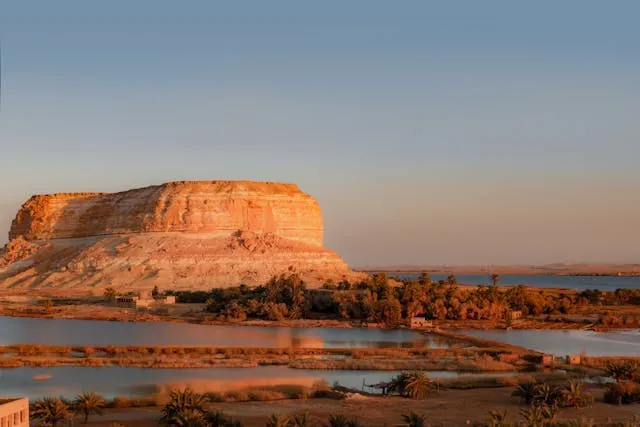
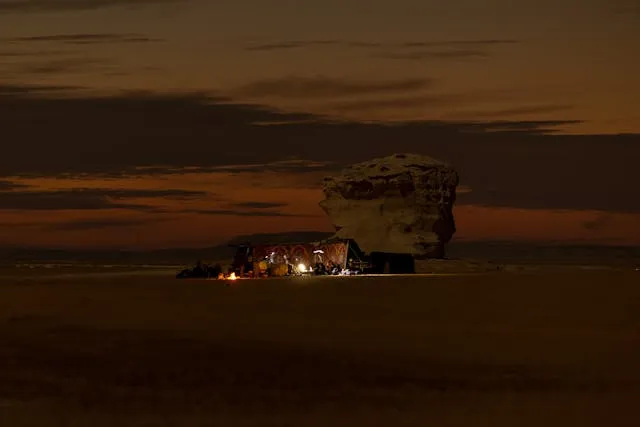
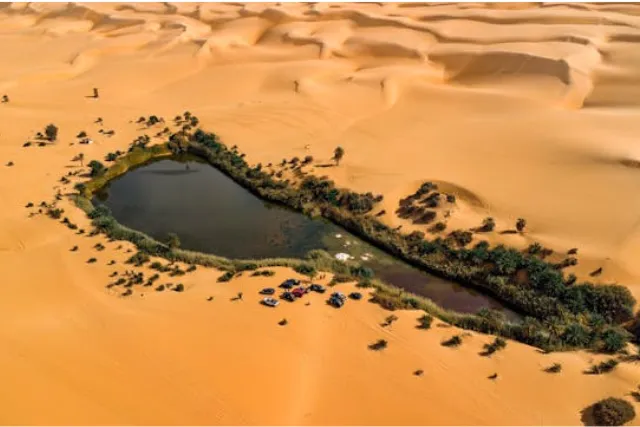
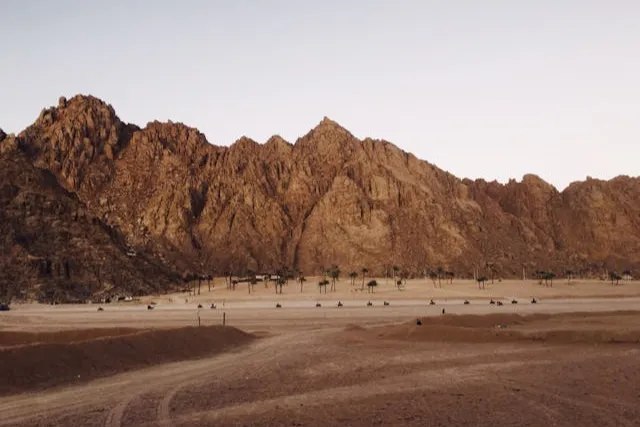
There are places in the world that feel genuinely off the grid, and Siwa is one of them. Located near the Libyan border in Egypt’s Western Desert, Siwa is a lush, spring-fed community that has been quietly doing its own thing for centuries. More than 300 natural springs and salt lakes dot the landscape, feeding date palms and olive groves that have been harvested by the Siwi people for generations.
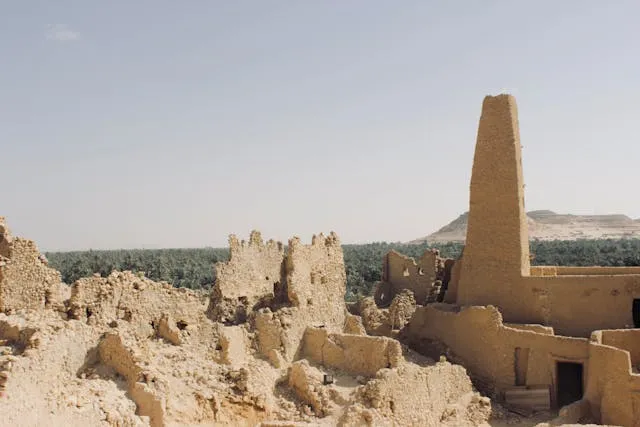
What makes Siwa one of the best eco-friendly destinations in Egypt is not just its natural beauty — it is the architecture. Properties like Adrère Amellal and Shali Lodge are built entirely from kershef, a traditional mixture of salt-rock and mud that has been used here for thousands of years. These buildings stay cool during the day, warm at night, and require no concrete, no steel, and in many cases no electricity.
Staying at Adrère Amellal means candlelight dinners under open desert skies, meals grown in the lodge’s own gardens, and the kind of quiet that most city dwellers have genuinely forgotten exists. It is not ascetic — it is just different. And for travellers tired of screens and noise, that difference is the whole point.
Practical tip: Siwa is safe and welcoming, though you will pass through security checkpoints near the border. Carry your passport. Dress modestly, especially in and around the town — covering shoulders and knees is appreciated and expected.
2. Basata — The Coastal Pioneer
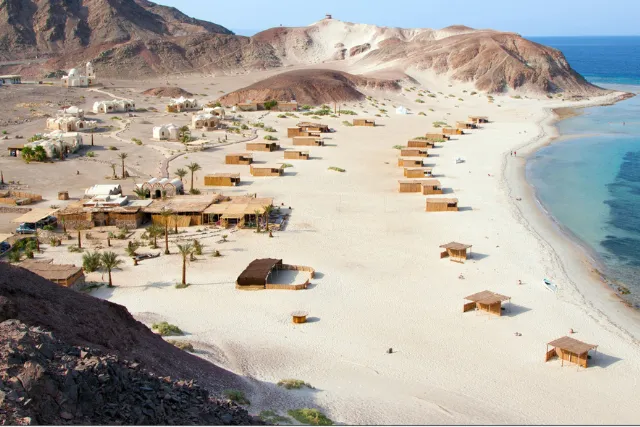
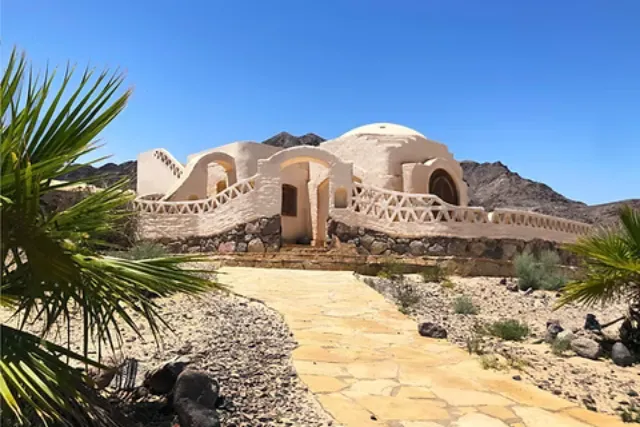
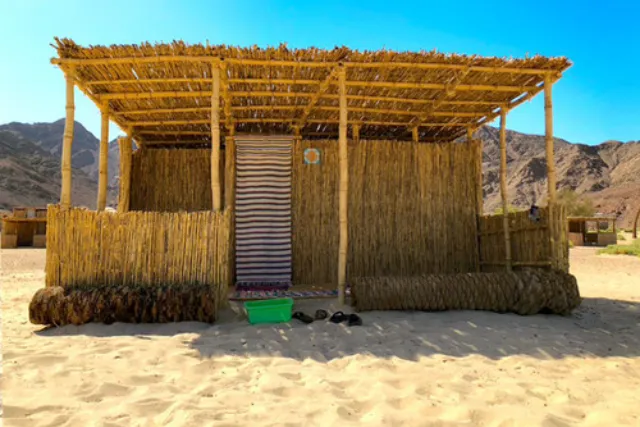
If Siwa is Egypt’s desert answer to slow travel, Basata is its coastal equivalent — and it got there first. Established in 1986 on the shores of the Sinai Peninsula near Nuweiba, Basata has the distinction of being Egypt’s very first eco-lodge. It predates the term ‘eco tourism Egypt’ by decades and has been quietly setting the standard ever since.
The ethos at Basata is refreshingly practical. The lodge uses seawater for toilet flushing, bans single-use plastics across the entire property, and operates on an honesty system for meals and drinks — guests help themselves and record what they take. It sounds radical, but it works beautifully, and it creates an atmosphere of genuine community between guests.
The setting itself is spectacular: simple bamboo huts facing the Gulf of Aqaba, with Saudi Arabia visible on a clear morning across the water. Snorkelling is available directly from the beach, the reef is healthy, and the general vibe is somewhere between a very thoughtful campsite and a low-key retreat. For eco-conscious travellers on a tighter budget, Basata is hard to beat.
“Tap here and visit Basata Eco-Lodge.”
3. Wadi El Gemal National Park — The Wildlife Sanctuary
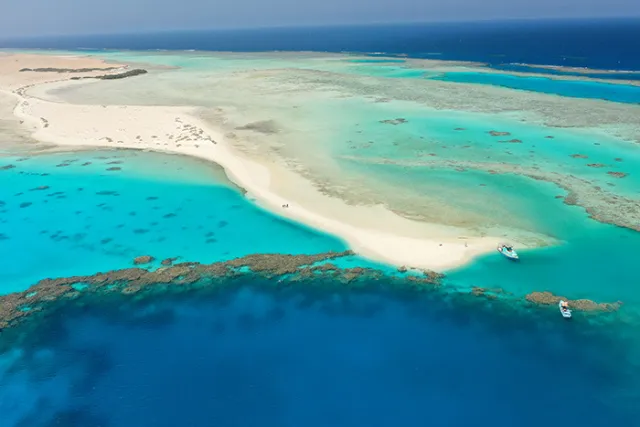
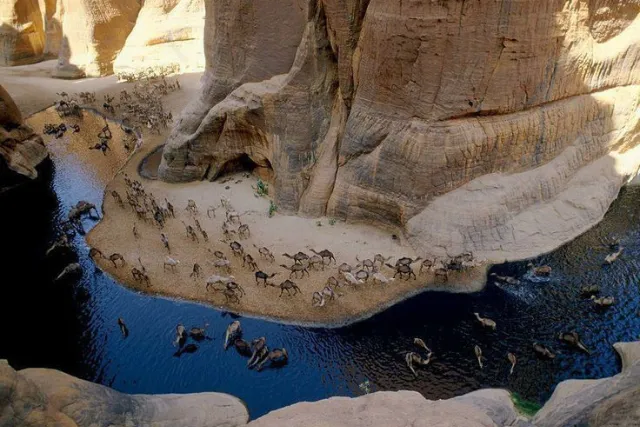
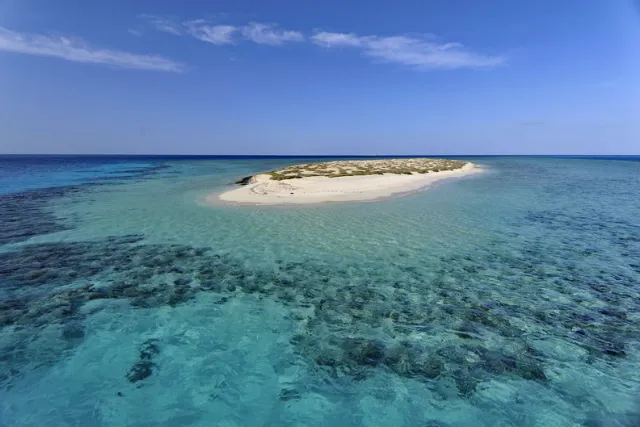
Head south from Hurghada along the Red Sea coast and, after about four hours, you reach Marsa Alam. Continue a little further and you arrive at Wadi El Gemal National Park — one of the most biologically significant stretches of coastline in the entire region.
This is one of the very few places anywhere in the world where you can snorkel alongside dugongs. These slow-moving, herbivorous marine mammals are endangered globally, and Wadi El Gemal’s extensive seagrass meadows provide them with one of their last reliable feeding grounds. Sharing the water with a dugong, in a protected national park, is an experience that sits in a completely different category from anything you will find in a resort pool.
Beyond the marine environment, the park also provides an opportunity to engage with communities that have called this coast home for centuries. The Ababda and Bishari tribes offer guided tours led by local community members — not imported guides from the cities, but people whose families have navigated this landscape for generations. The income from these tours stays local, which is precisely how eco tourism Egypt should function.
Wildlife note: Always maintain at least 3 metres of distance from dugongs and other marine life. Never touch, chase, or attempt to ride marine animals. Choose dive or snorkel operators who use mooring buoys rather than anchors, which can destroy seagrass beds.
4. Dahab — The Nomad’s Sanctuary
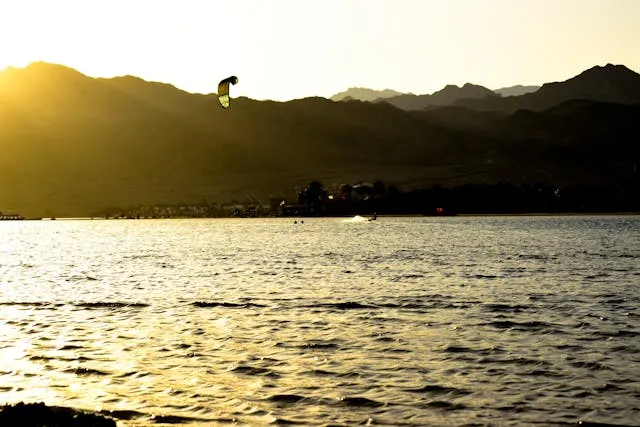
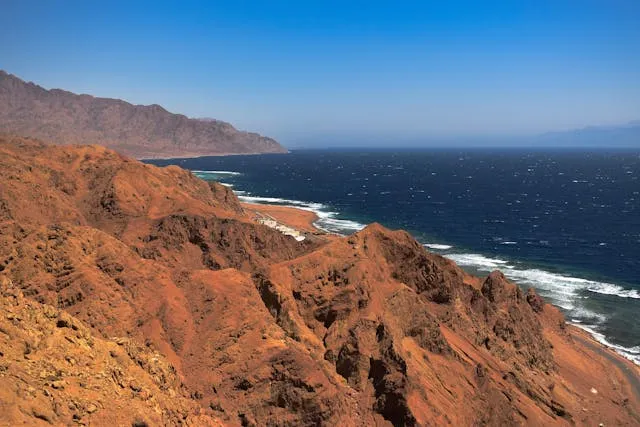
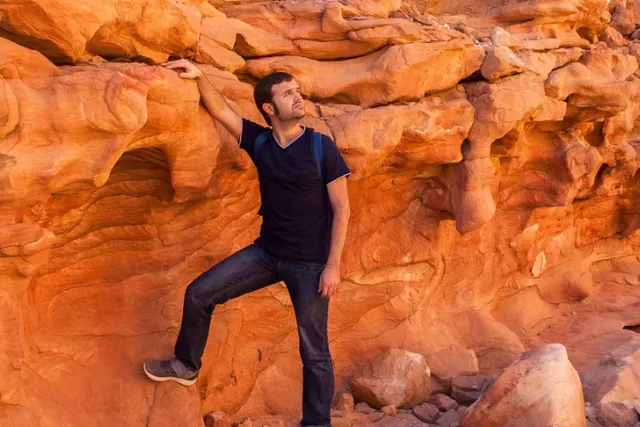
Dahab occupies a unique position in the Egypt travel guide. It is not a wilderness destination in the way that Siwa or Wadi El Gemal are, but it has cultivated a culture of low-impact, thoughtful tourism that sets it apart from the mass-market resorts of Sharm el-Sheikh, just an hour up the coast.
The diving here is exceptional — the Blue Hole is globally famous, and for good reason — but what distinguishes Dahab as an eco-friendly destination in Egypt is the emphasis on shore-based reef exploration. Many of Dahab’s best dive sites are accessible directly from the beach, which means no boat fuel, no anchor damage, and no need for the logistics that come with offshore excursions You simply walk in.
The town itself has developed organically around a long waterfront promenade, and its accommodation ranges from basic guesthouses to genuinely comfortable boutique hotels. Yoga studios, kitesurfing schools, and long-term travellers who have decided they simply are not leaving yet give Dahab a distinct energy. It is relaxed in a way that is hard to manufacture, and it attracts the kind of visitor who tends to treat the environment with respect.
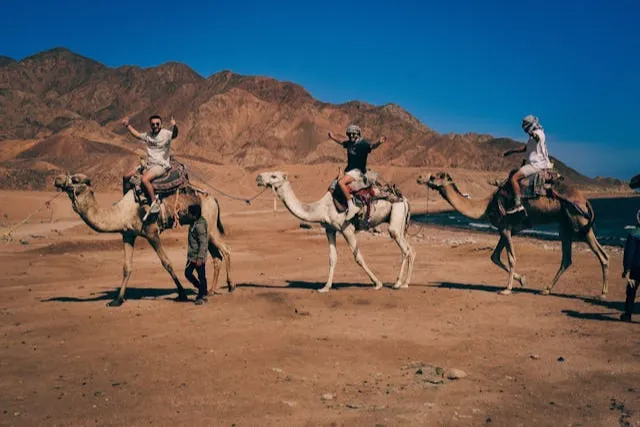
“Sharm El-Sheikh: Jeep Adventure to Blue Hole, Canyon & Dahab.”
5. The Nubian Villages of Aswan — Culture as Conservation
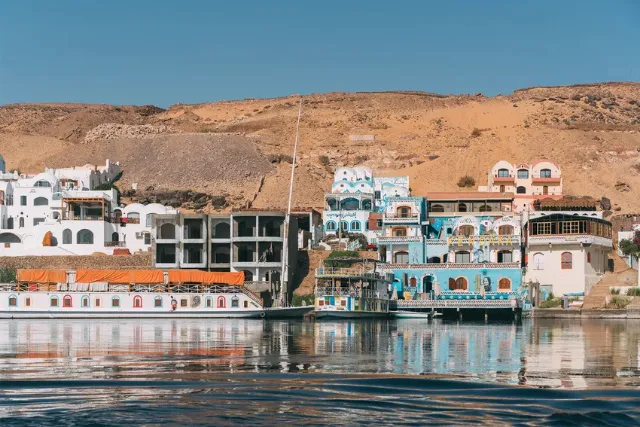
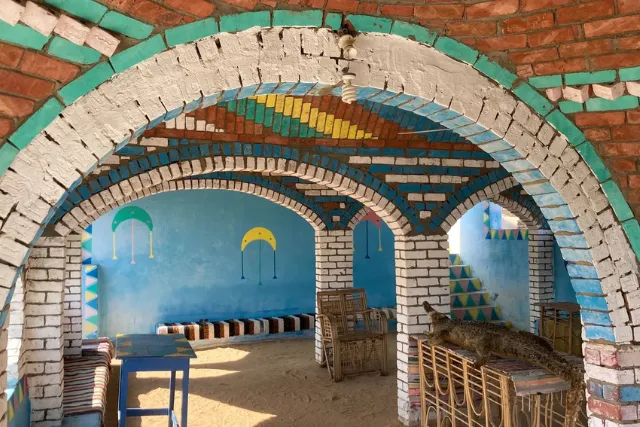
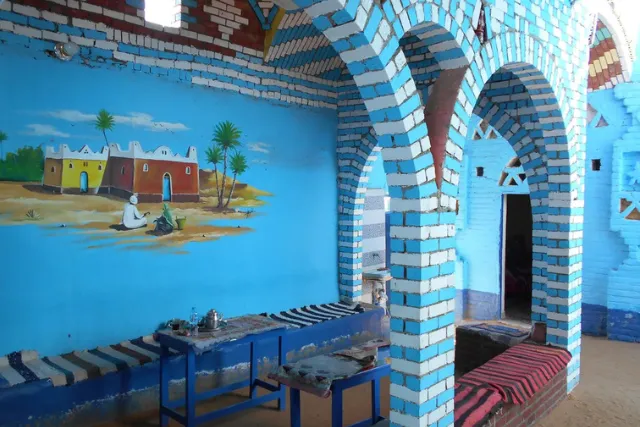
The final stop on this Egypt travel guide is arguably the most human of the five. The Nubian villages along the Nile near Aswan — Gharb Soheil being the most visited — represent something that is increasingly rare in modern tourism: a community that benefits directly and substantially from the travellers who come to see it.
Nubian culture is visually extraordinary. The villages are painted in vivid colours — cobalt, turquoise, ochre, and white — and decorated with murals that tell the story of a people displaced by the construction of the Aswan High Dam in the 1960s and determined never to lose their identity again. Staying in a Nubian homestay puts money directly into the hands of local families, not intermediaries.
The Nubian Women’s Project is a particularly meaningful initiative to support here. Local women produce handmade crafts — jewellery, textiles, embroidery — and sell them directly to visitors. Buying from them rather than from a tourist shop in Cairo is one of the most straightforward ways to ensure your spending has a genuine positive impact. The eco-friendly destinations Egypt offers are not just about nature — they are about people, too.
“Tap here and enjoy with Aswan Day Tour to Nubian Village.”
‘Flight-Free’ on the Nile: Slow Sailing for 2026
Getting between these destinations is part of the experience, and one of the most sustainable ways to travel in Egypt is by water. The Nile has been a highway for thousands of years, and it still works beautifully.
The Steam Ship Sudan is a historic vessel that offers multi-day journeys between Luxor and Aswan in genuine style. It is slower than flying, obviously, but that is entirely the point. Meals are prepared on board using ingredients sourced from riverside farms, and the pace of the journey gives travellers time to actually absorb the landscape rather than just photograph it from a taxi window.
For something more intimate, a dahabiya is the answer. These traditional wooden sailing vessels carry between 8 and 20 passengers, and they move under wind power when conditions allow. Their shallow draught means they can moor at smaller temples and archaeological sites that are completely off-limits to large cruise ships — giving dahabiya travellers access to a Nile experience that feels genuinely private. Farm-to-table meals featuring local produce complete the picture.
The Eco-Traveler’s Logistics and Survival Guide
Seasonal Planning
When you visit makes a significant difference to what you can do and how comfortable you will be:
| Season | Best For | Typical Conditions |
| Winter (Oct–Apr) | Deserts & Cultural Sites | 24–30°C Air | 22–24°C Water |
| Summer (Jun–Aug) | Deep Sea Diving | 28–30°C Water | Intense Heat |
| Spring / Autumn | Reef Exploration | 24–27°C Water | Perfect Balance |
What to Pack?
- A good flashlight or headtorch — essential for places like Siwa that operate without electricity at night.
- Reef-safe sunscreen — standard sunscreen contains chemicals that damage coral; look for mineral-based alternatives.
- A reusable water bottle with a filter — reduces plastic waste dramatically.
- A light layer for evenings — desert temperatures drop significantly after sundown, even in warmer months.
- A scarf or pashmina — useful for sun protection, cold evenings, and covering up when entering conservative areas.
Cultural Etiquette:
In Siwa and other conservative areas, dress modestly — covering shoulders and knees is the baseline expectation. In tourist-heavy areas, you will encounter persistent touts. A firm, friendly ‘La Shukran’ (which means ‘No thank you’ in Arabic) delivered once is far more effective than repeated polite refusals. Say it once, mean it, and keep walking.
How Not to Be ‘That’ Tourist: The Leave No Trace Playbook
Eco tourism Egypt is only as good as the behaviour of the people who practise it. These are the non-negotiable rules that apply across all five destinations:
On the Reef:
- Never touch coral. Not even to steady yourself. Coral polyps take decades to grow and seconds to destroy.
- Maintain at least 3 metres of distance from any marine life, including fish.
- Always choose dive and snorkel operators who use mooring buoys. Anchors dragged across seagrass and coral cause serious and often permanent damage.
Supporting Local Communities:
- Choose homestays and guesthouses owned by local families over chain hotels wherever possible.
- Buy handicrafts directly from artisans — places like Tunis Village near the Fayoum are known for high-quality pottery sold directly by the people who make it.
- Avoid mass-produced souvenirs. If it was made in a factory, it contributes nothing to the community you just visited.
Waste in Remote Areas:
In places like Siwa, the White Desert, or the interior of Wadi El Gemal, there is no municipal waste collection. The rule is simple and absolute: pack it in, pack it out. If you carried it there, carry it back. This applies to food wrappers, cigarette ends, bottles, and anything else you generate.
FAQ: Quick Answers for Smart Travelers
Is Siwa Oasis safe to visit?
Yes, Siwa is a peaceful, remote community and a genuinely welcoming place. You will pass through military checkpoints near the Libyan border — this is standard procedure and nothing to be concerned about. Carry your passport and cooperate politely.
Do I need a diving certification to stay at eco-lodges near the reef?
No. Many of the best house reefs in Egypt — particularly around Dahab and Basata — begin within 30 to 100 meters of the shore and reach a depth of just 1 to 5 meters. These are ideal conditions for snorkeling, which requires no certification at all. Certification is only needed if you plan to go beyond recreational snorkeling depth.
Are eco-lodges comfortable?
Surprisingly, yes — though the comfort comes from thoughtful design rather than technology. Thick kershef walls in Siwa maintain a stable indoor temperature naturally. Cross-ventilation and shaded courtyards in Nubian homestays do the same. You will not miss air conditioning after the first night, and you will sleep better than you expect.
How do I get to Wadi El Gemal National Park?
The easiest route is to fly to Hurghada or Marsa Alam and hire a driver or join a small group tour heading south. Marsa Alam airport has improved significantly in recent years. Local operators in the area offer day trips and multi-day camping experiences inside the park.
Conclusion: The Soul of the Sahara
Travelling sustainably in Egypt is not about giving things up. It is about exchanging one kind of experience for a better one — trading a crowded resort pool for a spring-fed oasis lake, swapping a mass cruise ship for a candlelit dahabiya dinner under the stars, choosing a Nubian homestay over an anonymous hotel corridor.
The best eco-friendly destinations to visit in Egypt offer something that no amount of five-star amenities can replicate: the feeling that where you are and how you got there both matter. Watching the sun drop behind the White Desert formations, swimming through a coral garden that has existed for thousands of years, sharing a meal with a family in Aswan whose ancestors built the temples you visited that morning — these are the experiences that change how you think about travel.
Egypt’s eco tourism scene is growing, its certification systems are strengthening, and its communities are finding sustainable ways to share their extraordinary landscapes with the world. The only question is whether you are ready to visit on those terms. If you are, the Sahara is waiting.