
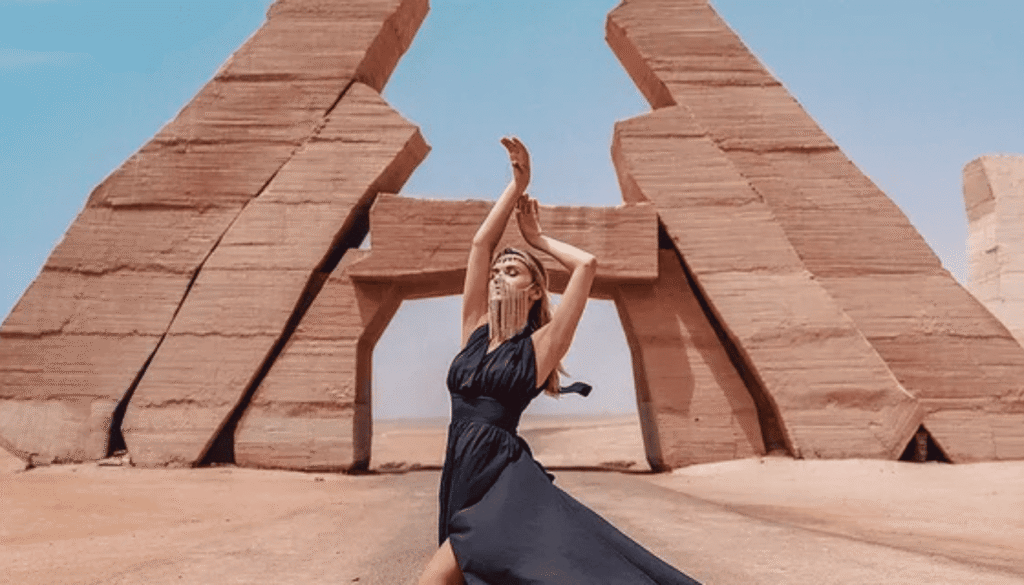
The Sinai Peninsula: Sun, Sea, and Ancient Secrets
Picture this: you’re standing on the edge of the Red Sea, the sun warming your shoulders as you peer into water so clear you can count the scales on fish swimming twenty feet below. Behind you, ancient mountains rise in shades of amber and gold, holding secrets that date back millennia. This is Ras Mohammed Sharm El Sheikh—a place where the Mediterranean lifestyle meets raw desert beauty, and where every visitor leaves with stories that sound almost too magical to be true.
Sharm el Sheikh wasn’t always the bustling resort destination it is today. Just decades ago, it was a sleepy fishing village where Bedouins cast their nets and time moved at the pace of camel caravans. The transformation began during the Israeli occupation from 1967 to 1982, when the area’s strategic importance and natural beauty became impossible to ignore. After Egypt reclaimed the Sinai, the government saw potential in those pristine beaches and invested heavily in turning Sharm into a world-class destination. Fast forward to 2022, and the city was polished to perfection to host the United Nations Climate Change Conference—roads were widened, solar-powered street lights appeared overnight, and the city got a thorough makeover that would make any resort town jealous.
But here’s what makes Sharm el Sheikh genuinely special: it’s not just another beach resort. The real magic happens at Ras Mohammed National Park, where world-class underwater exploration meets the kind of ancient desert history that gives you goosebumps. With December temperatures hovering around a perfect 24 degrees Celsius, it’s become the winter escape that checks every box—adventure, relaxation, culture, and natural wonders that’ll have you scrambling for your camera every five minutes.
“Tap here and learn more about The Citadel of Qaitbay Alexandria: Guardian of the Mediterranean.”
Tip 1: Master the Underwater Paradise of Ras Mohammed National Park
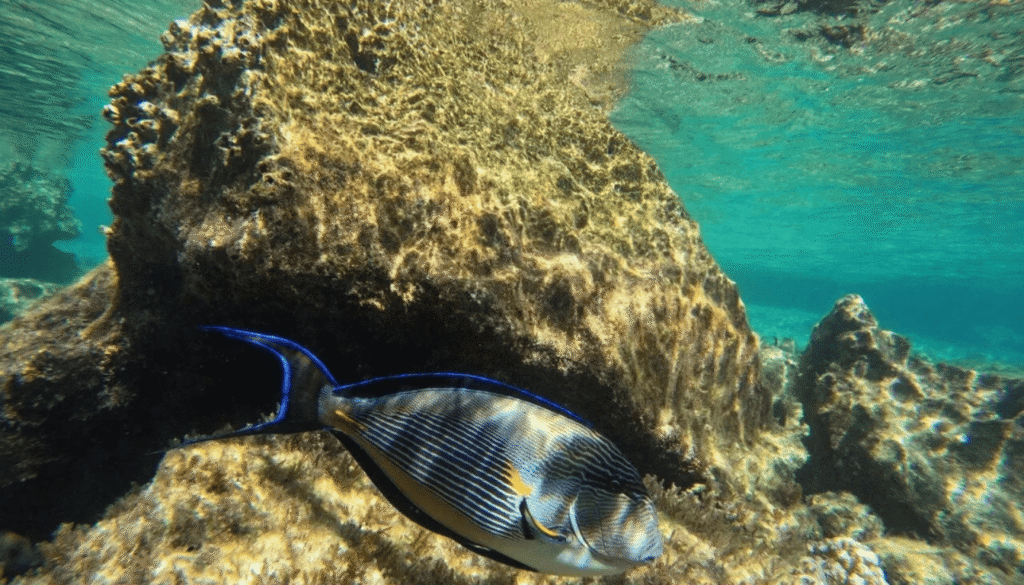
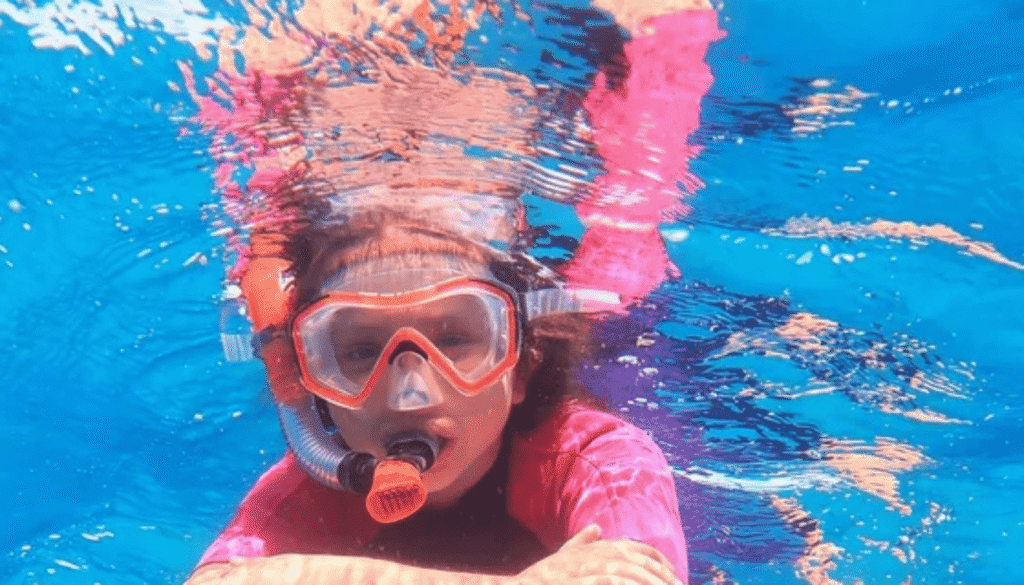
Let’s talk about why divers and snorkelers from every corner of the globe make pilgrimages to Ras Mohammed. The name itself tells a story—”Head of Mohammed” comes from the way the rugged headland juts into the sea, its cliffs forming what locals swear looks like a man’s profile when you catch it at the right angle. But the real story unfolds beneath those turquoise waves.
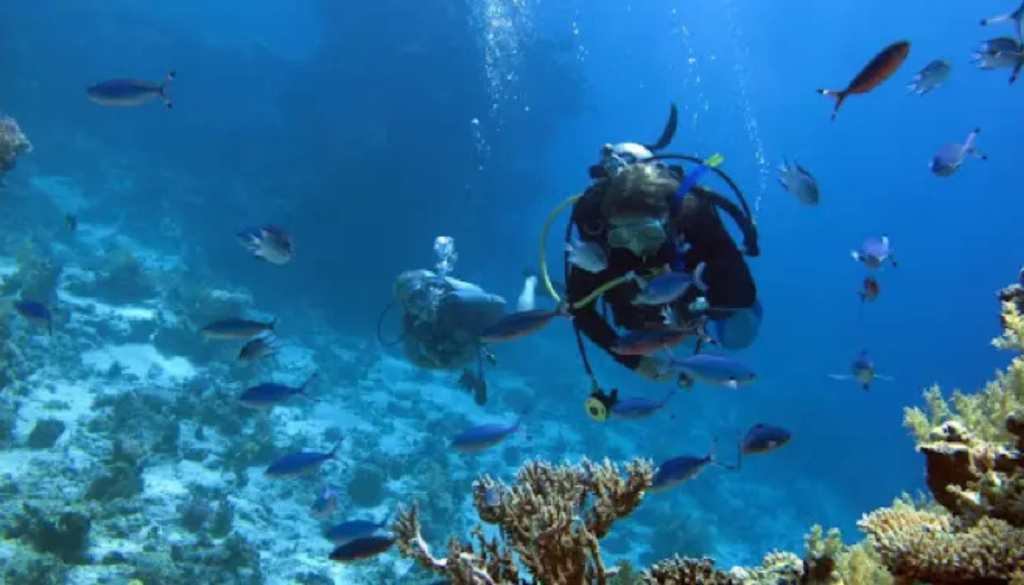
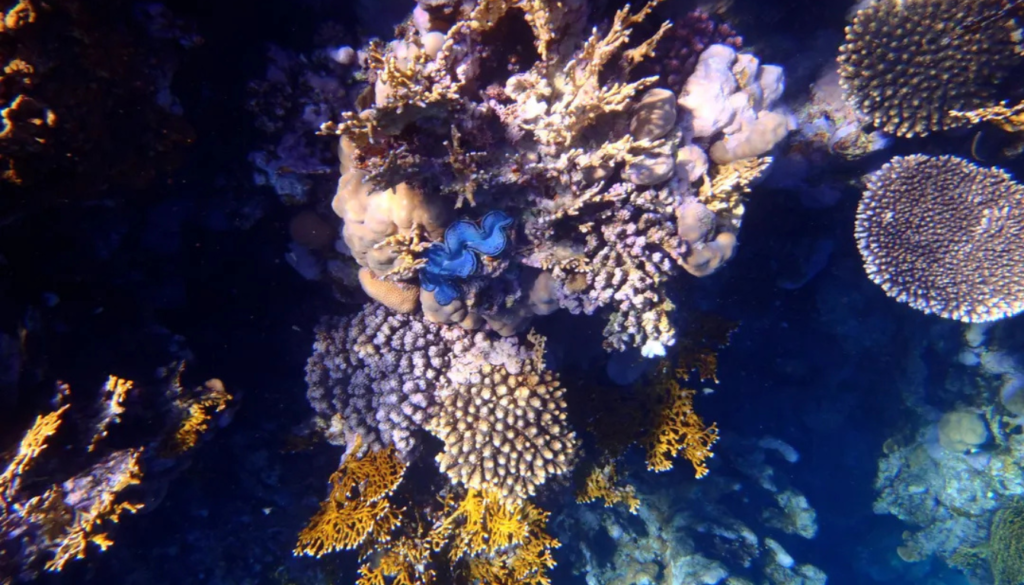
Established in 1983 as Egypt’s first protected marine reserve, Ras Mohammed National Park isn’t just beautiful—it’s a living museum of marine biodiversity. We’re talking about more than 220 species of coral, some of which have been growing for over two million years. Let that sink in for a moment. Two. Million. Years. These coral colonies were ancient when the pyramids were built, and they’re still here, pulsing with life and color that no photograph can truly capture.
Swimming among these reefs are over 1,000 species of fish, creating an underwater kaleidoscope that changes with every fin kick. From tiny, jewel-toned clownfish darting between anemones to massive groupers that eye you with what can only be described as mild curiosity, the diversity is staggering. This is why marine biologists consistently rank Ras Mohammed as one of the most beautiful diving spots in the world.
But here’s the thing about visiting paradise—it comes with responsibilities. The park has strict rules, and honestly, they’re there for excellent reasons. Never, and I mean never, touch the coral or fish. What seems like a gentle touch to you can destroy coral polyps that took decades to grow. Don’t walk on the reef table, even if it looks sturdy—you’d be crushing entire ecosystems under your feet. Feeding the fish might seem fun, but it disrupts their natural behavior and diet, potentially harming populations. And here’s one that catches many visitors off guard: ditch your regular sunscreen for reef-safe, eco-friendly alternatives. Traditional sunscreens contain chemicals that bleach and kill coral, contributing to reef destruction worldwide.
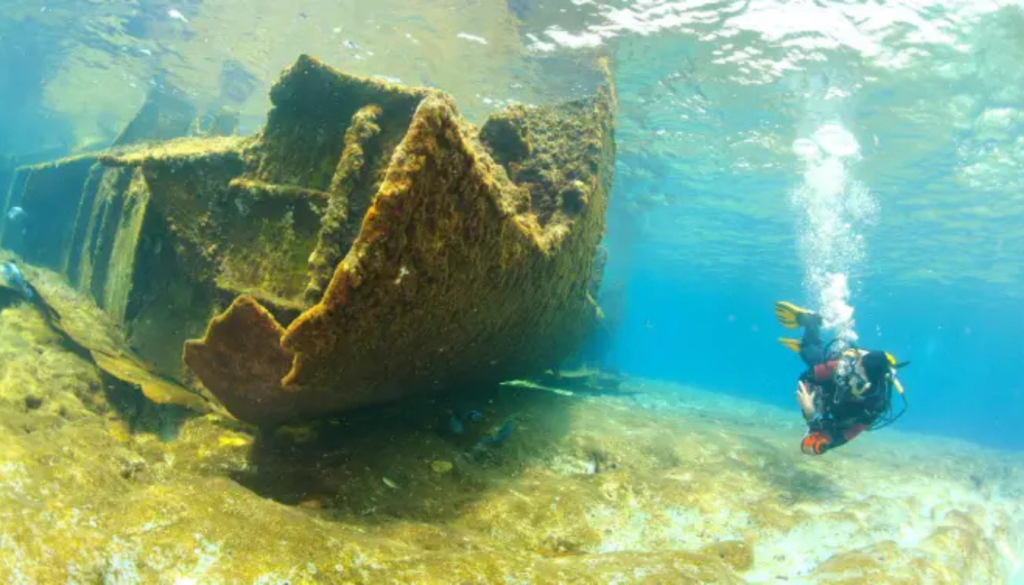
Now, let’s get to the good stuff—where to actually go. Shark Reef and Yolanda Reef are the power couple of dive sites here, twin formations famous for their dramatic coral walls that drop into the deep blue like underwater skyscrapers. The Yolanda wreck—remnants of a cargo ship that sank in the 1980s carrying bathroom fixtures—adds an surreal touch to the experience. You’ll literally see toilets scattered among the coral, which sounds bizarre but somehow works in this underwater wonderland.
Jackfish Alley lives up to its name with schools of jacks swirling through underwater caves and swim-throughs. The first time you enter one of these caverns, with light filtering through cracks above and fish circling like living tornadoes, you understand why people become addicted to diving. Then there’s Anemone City, a soft coral garden so densely populated with anemones and their resident clownfish that you’ll swear you’ve dropped into a Pixar movie. The clownfish here have zero fear—they’ll swim right up to your mask, checking you out with an attitude that’s equal parts adorable and bold.
For history buffs who also love diving, the Thistlegorm wreck is non-negotiable. This British cargo ship was sunk by German bombers in 1941 while carrying supplies to Allied forces, and now it rests beneath the Red Sea as one of the world’s most famous wreck dives. Motorcycles, trucks, rifles, and even railway cars remain in the ship’s holds, creating an eerie time capsule. The wreck sits at depths suitable for recreational divers, making it accessible to most certified divers.
One question I hear constantly: “Are there hotels inside Ras Mohammed National Park?” The answer is no, and that’s actually great news for the reef. To preserve this delicate ecosystem, the park remains accommodation-free. You’ll stay in Sharm el Sheikh proper and take day trips to the park, which keeps human impact manageable and ensures these reefs survive for future generations.
Tip 2: Experience the Sinai Desert’s Spiritual and Geological Wonders
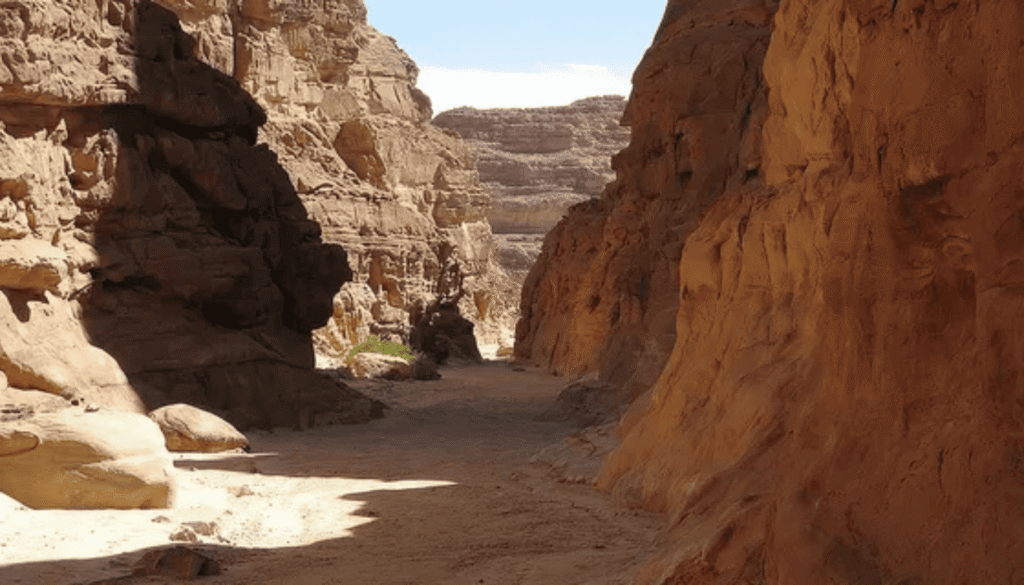
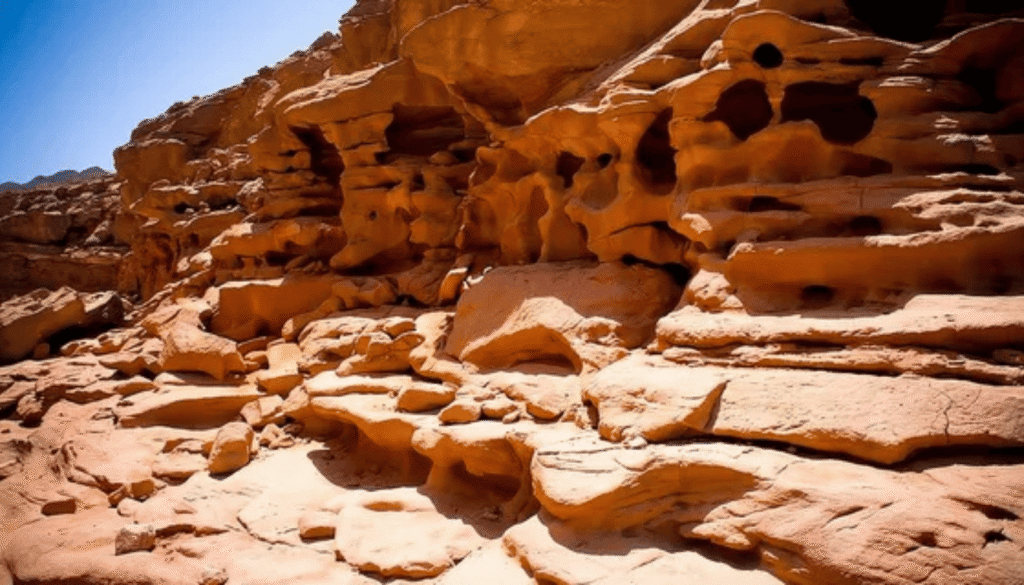
After you’ve spent days mesmerized by underwater worlds, the Sinai desert pulls you in with a completely different kind of magic. This isn’t just sand and rocks—this is where human spirituality and geological history collide in ways that’ll leave you speechless.
St. Catherine’s Monastery sits at the heart of this spiritual landscape, literally at the foot of Mount Sinai (also called Mount Moses by locals). Founded in the 6th century, it holds the title of the oldest and most important monastery in the world—not bad for a building that’s weathered 1,500 years of history. UNESCO World Heritage status? Obviously. But what makes St. Catherine’s truly extraordinary is its universal sacred significance. This area is holy to Christianity, Islam, and Judaism simultaneously, making it one of the few places on earth where three major world religions converge in reverence.
The monastery grounds hold the site where the burning bush supposedly appeared to Moses, marking his divine encounter with God. Whether you’re religious or not, standing in that spot hits differently. There’s a weight to the place, a sense of accumulated prayer and pilgrimage that’s almost tangible. Inside the monastery, you’ll find a collection of ancient writings and artifacts that scholars travel continents to study—illuminated manuscripts, icons, and documents that survived countless invasions and upheavals.
The must-do experience here is the Mount Sinai hike, preferably timed for sunrise or sunset. Most hikers start the climb around 2 AM to reach the summit for sunrise, and yes, it’s as challenging and rewarding as it sounds. The trail winds up 2,285 meters through the darkness (bring a headlamp), and the final 750 steps are particularly brutal. But when dawn breaks over the jagged peaks and valleys stretch out in every direction, painting the world in oranges and purples and golds, every burning muscle suddenly feels worth it. This is where Moses is believed to have received the Ten Commandments, and whether or not that story resonates with you, the sunrise from this summit is genuinely soul-stirring.
For a different geological spectacle, the Colored Canyon and Salama Canyon offer adventures that feel like walking through abstract art galleries. The Colored Canyon stretches for about 800 meters, its walls rising in swirls of red, yellow, orange, and purple. These extraordinary formations were created over millions of years—the land here was once underwater, and desiccation and erosion carved these gorges while leaving behind mineral deposits that paint the rocks in psychedelic patterns. In some sections, the canyon narrows so much you have to squeeze through sideways, adding an element of adventure to the visual feast.
Then there’s the classic desert experience: a jeep tour that’ll rattle your teeth loose, followed by an evening at a Bedouin camp. These aren’t tourist traps (well, not all of them)—many are genuine cultural exchanges where Bedouin hosts share traditional food, perform music and dance, and offer insights into desert life that stretches back generations. After dinner, when the desert cools and the sky darkens completely, the real show begins. With zero light pollution, the Sinai desert offers some of the best stargazing on the planet. Many camps have powerful telescopes that bring Saturn’s rings, Mars’s rusty surface, and the moon’s craters into sharp focus. You haven’t truly seen the universe until you’ve viewed it from the Sinai at night.
“Tap here for Jeep Safari Salama Colored Canyon from Sharm El-Sheikh.”
Tip 3: Navigate Sharm’s Urban Centers Like a Local
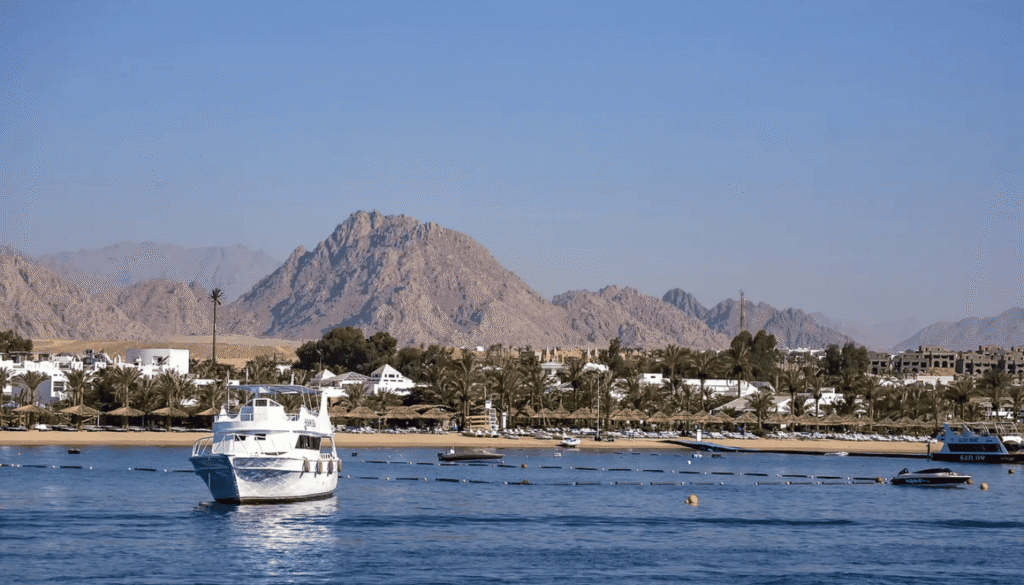
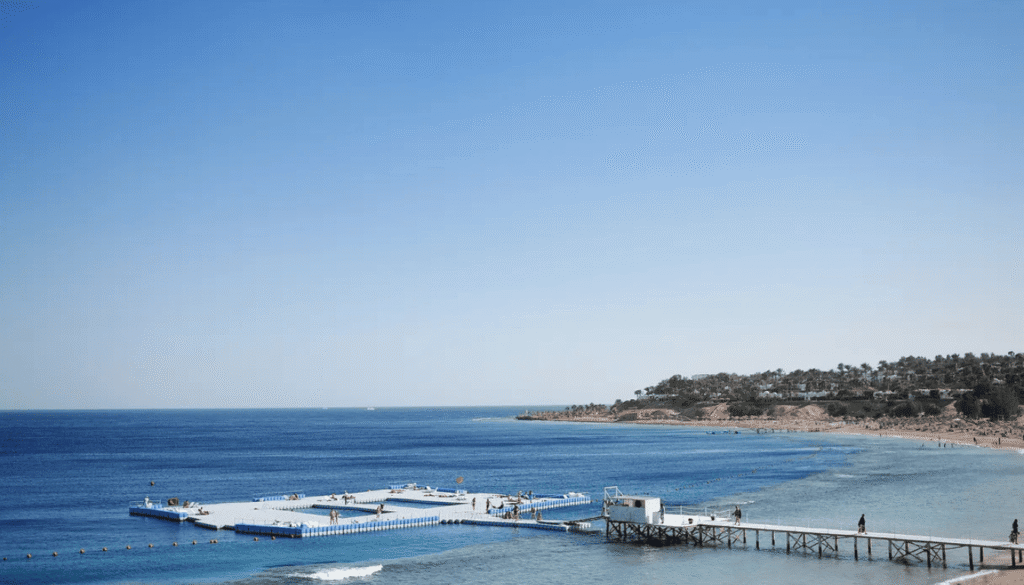
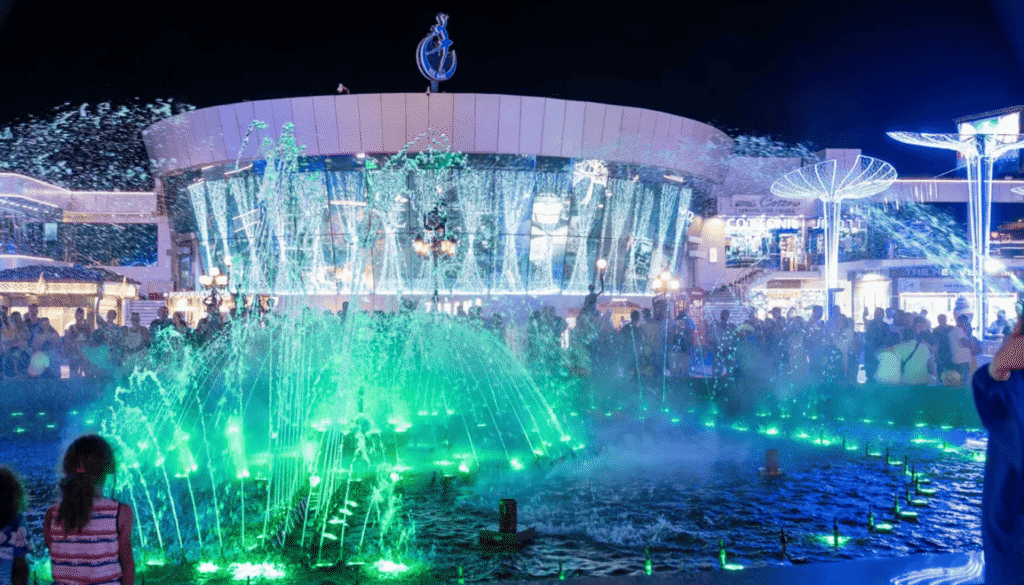
After days of nature immersion, Sharm el Sheikh’s urban centers provide the perfect counterbalance. Naama Bay is the beating heart of the city, and it plays both roles brilliantly—peaceful beach haven by day, electric party scene by night. The bay’s turquoise waters and sandy beaches attract sunbathers who spread out on loungers, working on their tans while sipping cold drinks. Come evening, the same stretch transforms into a buzzing nightlife corridor where music spills from bars, restaurants compete for your attention with aromatic mezze displays, and the energy level jumps from relaxed to exhilarating.
SOHO Square takes the glamour factor up several notches. This upscale entertainment hub wouldn’t look out of place in Dubai or Miami—dancing fountains choreographed to music, chic restaurants serving everything from sushi to steaks, cafes where you can linger over Arabic coffee, and yes, even an ice skating rink in the middle of the desert. Live music performances happen regularly, making SOHO Square ideal for those nights when you want to dress up a bit and enjoy the good life.
Now, about the Old Market—let’s clear something up. While the area has ancient historical roots, the physical market you’ll visit is decidedly modern, rebuilt and renovated to serve the tourist trade. Don’t come expecting weathered stone buildings and antique shops; instead, expect a vibrant, contemporary bazaar where you can haggle for souvenirs, sample street food, and interact with local vendors. Cleopatra’s Bazaar sits within this area, offering everything from papyrus paintings to spices to hookahs. The shopping experience requires patience and good humor—vendors will absolutely try to engage you in lengthy negotiations, but that’s part of the cultural experience.
The true architectural gem in the Old Market is the Al Sahaba Mosque, built between 2011 and 2017. This stunning structure dominates the skyline with minarets reaching 76 meters (249 feet) into the sky. The intricate carvings, grand dome, and sheer scale make it worth a visit, and tourists are welcome inside—just remember to dress appropriately. Cover your arms, legs, and hair (women should bring a scarf), remove your shoes before entering, and maintain respectful behavior. The mosque is an active house of worship, not just a tourist attraction.
For evening drinks with a view, locals recommend the Camel Bar & Rooftop in downtown Sharm el Sheikh. They serve what regulars call “dangerously delicious classic” cocktails—Margaritas that go down smooth, Mojitos that balance sweet and tart perfectly, and signature drinks that pack enough punch to make you forget how many you’ve had. The rooftop setting features cozy cushions, low tables, and a casual atmosphere where you can decompress while watching the city lights flicker on below.
Tip 4: Time Your Visit and Choose Accommodation Strategically
Getting the timing and location right makes the difference between a good trip and an unforgettable one. Best times to visit Ras Mohammed Sharm El Sheikh are generally March through May and September through November, when temperatures hover in the sweet spot of warm but not scorching. That said, Sharm’s reputation as a winter destination is well-deserved—those 24-degree December days feel like heaven when much of Europe and North America is frozen solid.
Summer months (June through August) can be brutally hot, with temperatures pushing past 40 degrees Celsius. If you can handle the heat and want to avoid crowds, summer offers deals and empty beaches. Just stay hydrated and plan outdoor activities for early morning or late afternoon.
Accommodation choices should align with your priorities. If nightlife and easy beach access top your list, look at options like Naama Bay Hotel & Resort, which puts you steps from the action. For proximity to Shark’s Bay and convenient access to diving sites like the Thistlegorm, consider the Four Seasons Resort Sharm El Sheikh—luxury with purpose. If SOHO Square’s entertainment hub appeals more than beach proximity, properties like Savoy Sharm place you in the middle of that scene.
Many Sharm hotels operate on all-inclusive models, which can be fantastic value if you plan to eat most meals on property. Breakfast spreads typically include fresh flat bread, hummus, halloumi cheese, and various egg preparations—enough to fuel a full day of activities. Fresh seafood is abundant here and fantastic when properly prepared; seek out restaurants known for grilling catch-of-the-day fish and prawns.
“Book your perfect stay in Sharm El Sheikh with big offers.”
Tip 5: Explore Advanced Snorkeling Sites and Protected Areas
Once you’ve experienced the main attractions of Ras Mohammed National Park, several other sites deserve attention, especially if you’re a confident snorkeler or diver looking for different environments.
Ras Nasrani, located about 10 kilometers north of Na’ama Bay, offers excellent shore diving and snorkeling. The beach stretches long and accessible, and the underwater landscape features massive pore coral heads and Tridacna shells (giant clams) that have been growing for decades. What makes Ras Nasrani special is its accessibility—no boat required, just wade in from the beach and start exploring. The coral gardens here are healthy and diverse, though always check current conditions before entering, as the Red Sea can be unpredictable.
Marsa Ghozlani, within Ras Mohammed itself, is another land-accessible site where you can snorkel from the shore and encounter impressive marine life without the need for expensive boat trips. The bay provides some protection from open sea conditions, making it suitable for less experienced snorkelers while still offering interesting coral formations and fish populations.
The Straits of Tiran present a different challenge entirely. Gordon Reef, Jackson Reef, and Laguna Reef in these straits burst with marine life—walls of fish, healthy coral gardens, and regular shark sightings. However, the Straits are known for strong currents that can sweep away unprepared swimmers, and fire corals (which deliver painful stings on contact) are common. Only confident swimmers with good stamina should attempt snorkeling here, and going with an experienced guide is strongly recommended.
Ras Umm Sid is famous among locals as both a diving and snorkeling paradise, but here’s the catch: the site’s most extraordinary feature—an extensive fan coral forest—only begins at 15 meters depth. Snorkelers can enjoy the upper reef structures and fish populations, but to truly appreciate what makes Ras Umm Sid special, you need a scuba diving certification. If you’ve been considering getting certified, sites like this provide excellent motivation.
The Blue Hole near Dahab deserves mention, though not necessarily recommendation for beginners. This iconic marine sinkhole drops to incredible depths and attracts experienced technical divers from around the world. The site has earned a dangerous reputation—dozens of divers have died here attempting to navigate the “arch” passage at depth. If you’re not an advanced diver with proper training and experience, appreciate the Blue Hole’s mysterious beauty from the surface or shallower sections.
The Nabq Protected Area offers a completely different ecosystem. This coastal nature reserve features extensive mangrove forests—rare in Egypt—along with desert dunes and diverse marine habitats. It’s ideal for eco-tourists interested in wildlife photography and less crowded natural environments. The mangroves provide crucial nursery habitats for juvenile fish and nesting sites for migratory birds, making it a birder’s paradise during migration seasons.
“Sharm El Sheikh: White Island and Ras Mohamed Cruise Adventure.”
Tip 6: Engage Responsibly and Maximize Your Regional Access
The final tip involves mindset and awareness. Ras Mohammed Sharm El Sheikh operates differently than many tourist destinations, and understanding local customs and expectations prevents frustration while enriching your experience.
Coral protection isn’t optional or suggested—it’s mandatory and enforced. Park rangers patrol dive sites, and divers have been fined or banned for reef damage. Take those conservation rules seriously, not just because of penalties, but because these reefs are irreplaceable. Every year, coral reefs worldwide face threats from climate change, pollution, and physical damage. Ras Mohammed remains pristine because Egypt protects it aggressively and visitors respect those protections.
Mosque visits require appropriate dress and respectful behavior. This isn’t about judgment; it’s about honoring spaces that hold deep significance for local communities. Women should carry a scarf for covering hair, and everyone should ensure shoulders and knees are covered. Remove shoes before entering, speak quietly, and avoid visiting during prayer times unless you’re there to observe respectfully. Photography rules vary by mosque, so ask before snapping pictures.
Regarding cultural interaction and shopping, Sharm presents less aggressive hassle than Cairo, but you’ll still encounter persistent vendors in markets. A firm but polite “no thank you” (or “la shukran” in Arabic) works wonders. Don’t feel obligated to buy from every vendor who engages you, but also recognize that bargaining is expected and considered a normal, even enjoyable part of commerce. Start by offering half the asking price and negotiate from there.
Consider practical travel tools that enhance the experience. eSIM services provide instant connectivity without the hassle of buying local SIM cards or paying exorbitant roaming fees. Being able to pull up maps, research restaurants, and share experiences in real-time makes travel smoother and more enjoyable. Similarly, knowing your rights regarding flight delays and cancellations through services means you can claim compensation if issues arise, turning frustrations into financial recovery.
Sharm El Sheikh: Memories of Coral and Desert
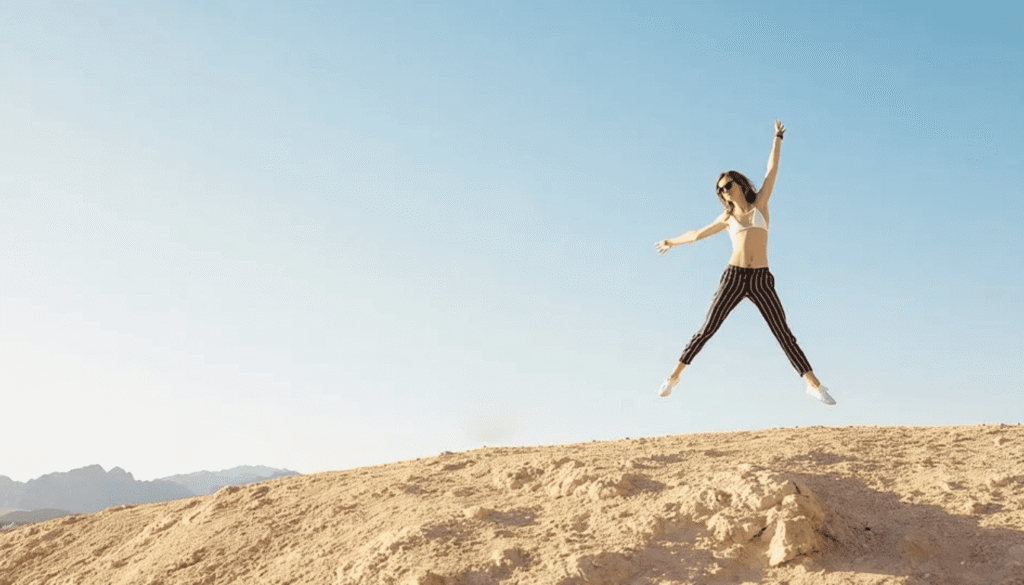
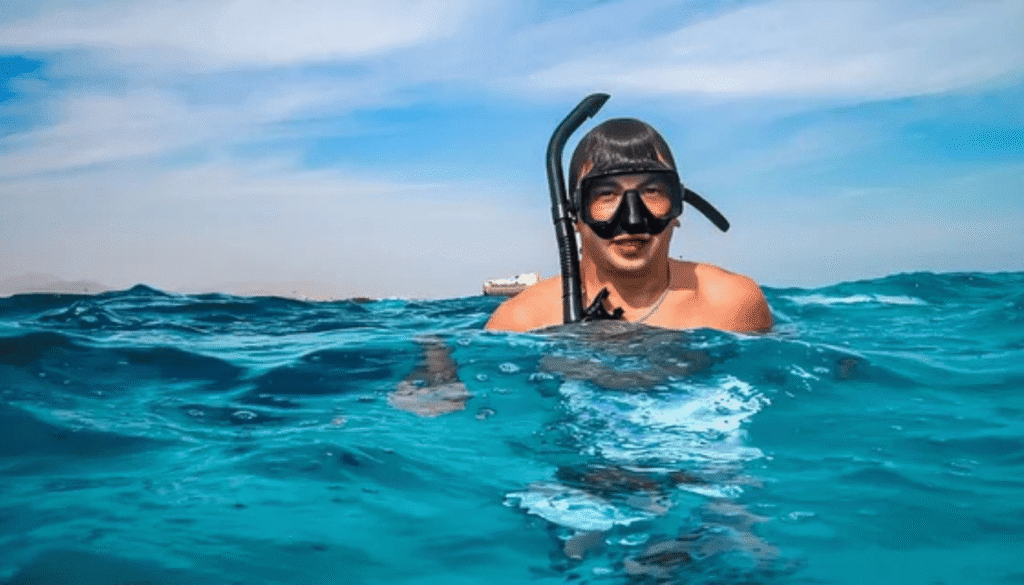
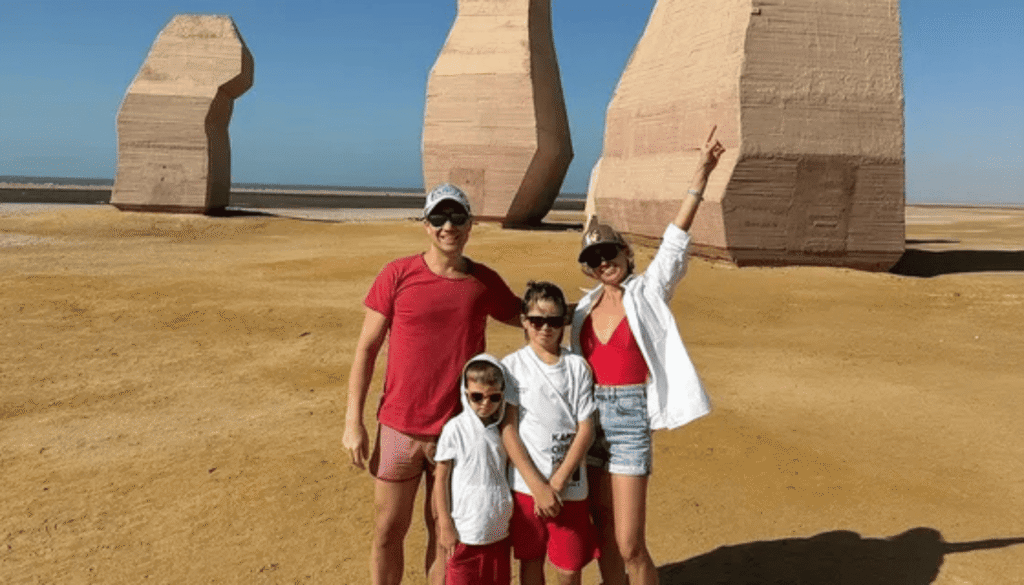
So what makes Ras Mohammed Sharm El Sheikh truly special? It’s the rare combination of pristine marine environments protected with genuine commitment and ancient desert landscapes that hold spiritual significance across cultures and millennia. Few places on earth offer such diversity within such proximity—you can snorkel among million-year-old coral at breakfast and watch sunset from a biblical summit by dinner.
But experiencing this magic requires the right approach. Protect the coral reefs through conscious behavior and product choices. Respect local culture and religious sites by dressing appropriately and behaving thoughtfully. Set realistic expectations—Sharm is polished and tourist-friendly compared to Cairo’s organized chaos, but you’re still in Egypt, where things operate on their own timeline and hassle is part of the landscape.
The underwater world of Ras Mohammed National Park represents something increasingly rare: a marine ecosystem that still thrives, still astounds, still offers glimpses of what our oceans looked like before human impact took its toll. The Sinai desert carries the weight of history—stories of prophets and empires, trade routes and spiritual seekers who found something profound among those rugged peaks.
Your trip to Ras Mohammed Sharm El Sheikh can be whatever you need it to be—pure beach relaxation, adventure-fueled exploration, spiritual pilgrimage, or cultural immersion. Most likely, it’ll be some combination of all of these, because that’s what happens when you visit a place with this much magic packed into one destination.
Before you go, sort out the practical details that make travel seamless. Grab an eSIM through us so you stay connected without drama. Check your flight compensation rights and know you’re covered if travel hiccups occur. Then stop overthinking and book the trip.
The coral reefs aren’t getting any younger (though at two million years old, they’ve got patience). The desert sunrises won’t wait forever. And somewhere in the Red Sea right now, a clownfish is swimming through anemones, schools of jackfish are circling through underwater caves, and the Sinai mountains are turning gold in the afternoon light.
That magic? It’s real, it’s waiting, and these six tips will help you experience every bit of it.
“From Sharm El Sheikh: Ras Mohamed National Park and Magic Lake Day Tour.”
Pingback: Best 5 Reasons Make Giftun Island in Hurghada Paradise for Beach Lovers and Snorkelers - Discover Egypt Now