
Why Aswan is Egypt’s Most Peaceful and Scenic Gem?
Discover the wonders of philae temple aswan magic island of isis, where ancient mythology and breathtaking architecture come together. Nestled on a serene island in Aswan, the Philae Temple stands as a timeless tribute to the goddess Isis. Explore its sacred halls and uncover the secrets of one of Egypt’s most enchanting historical sites.
Picture this: you’re standing on the banks of the Nile, watching feluccas glide past with their white sails catching the breeze, while granite boulders frame the river like ancient sentinels. There’s no honking traffic, no persistent vendors—just the gentle rhythm of water and wind. This is Aswan, the sun-soaked jewel of southern Egypt, and honestly? It feels like a completely different country compared to Cairo’s chaos or even Luxor’s tomb-filled valleys.
What makes Aswan special isn’t just one thing. Sure, the Philae Temple Aswan is absolutely magical (we’ll get to that in a minute), but it’s the whole vibe here. Ancient spirituality lives alongside modern engineering marvels, while Nubian culture adds splashes of turquoise and orange to riverside villages. Everything moves slower here, like the city itself decided long ago that rushing through life isn’t worth the effort.
Here’s the smart way to experience Aswan: start your days early. Really early. I’m talking about watching the sunrise paint the desert hills pink while you’re already on a boat heading to Philae. The heat here is no joke—by noon, you’ll understand why the Ancient Egyptians worshipped sun gods with such dedication. Structure your days around the temperature, and you’ll actually enjoy yourself instead of melting into a puddle by the Temple of Isis.
“Karnak Temples in Egypt: Discover the Ancient Power and Divine Majesty.”
Planning Your Aswan Journey: Getting There and When to Visit
Let’s talk timing first, because trust me, this matters. October through May is your window. Come in July, and you’ll experience heat that feels personal, like the sun has a grudge against you specifically. Winter months offer perfect weather—warm days, cool evenings, and temple visits that don’t require industrial-strength sunscreen reapplied every hour.
Getting to Aswan from Cairo? The sleeper train is hands down my favorite way to travel. Yes, I said it—the train beats flying. Sure, Watania isn’t exactly the Orient Express, and calling it luxurious would be generous, but there’s something magical about boarding in Cairo after dinner, falling asleep to the clickety-clack of rails, and waking up as palm trees and Nubian villages start appearing outside your window. Your cabin comes with dinner and breakfast included, plus you’re saving a hotel night. The flight takes just 90 minutes if you’re pressed for time, but you’ll miss the experience.
If you’re bouncing between Luxor and Aswan (and you should—they make perfect travel companions), book the express trains through the Egyptian National Railways website. Look for trains marked “Special Service OD” or “Speed AC Spanish.” Pro tip: tickets go live two weeks before travel, so set yourself a reminder.
Now, about Nile cruises. They’re incredibly popular, and I get why—imagine sipping tea on deck while ancient temples drift past. But here’s the thing: cruise itineraries are their own beast. You’ll see some amazing sites, but probably not everything I’m about to tell you. If you want to dig deep into Aswan’s treasures, especially Philae Temple in Aswan, you’ll need a few dedicated days on solid ground.
Day 1: The Sacred Island, Modern Art, and Local Souks
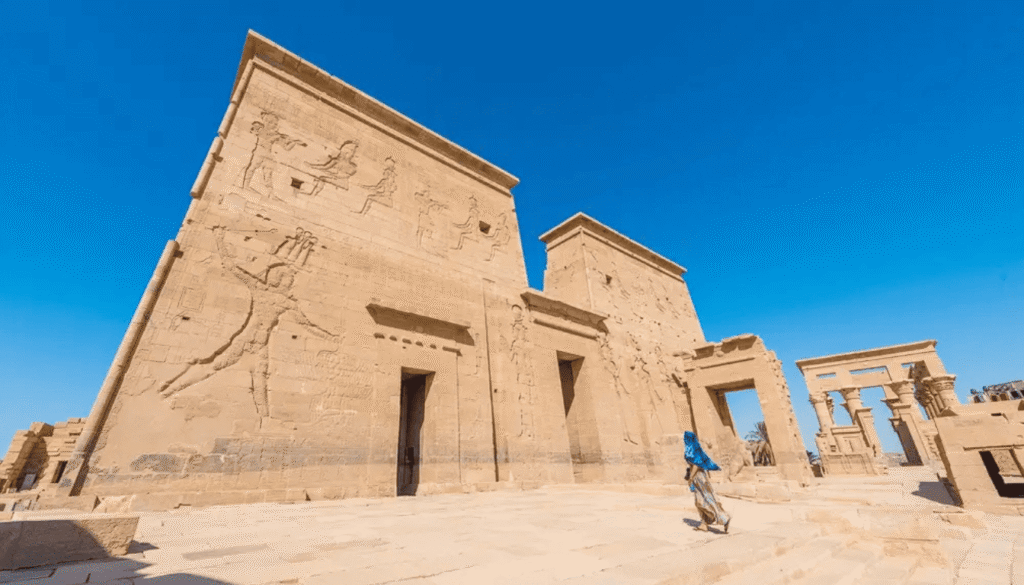
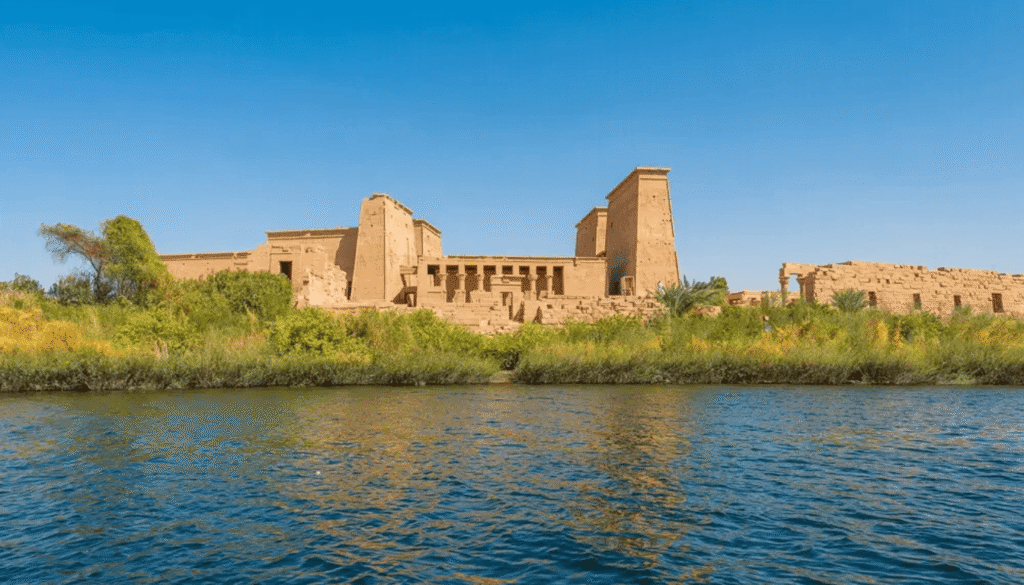
Here’s where your Aswan story really begins: at dawn, heading toward Philae. This isn’t just another temple on your Egyptian checklist—it’s possibly the best preserved Ptolemaic temple in all of Egypt, and it’s my absolute favorite. Something about arriving by boat as morning light hits those honey-colored columns just hits different.
Aim to reach the Philae Temple Marina by 8 am. Earlier if you can manage it. Grab a Careem (more on that later) or flag down a taxi from your hotel. At the marina, you’ll buy your entrance ticket—EGP 450 per adult—from the official booth. Then comes the fun part: negotiating your water taxi to Agilkia Island. The going rate is around 200 EGP for the motorboat, but if you’re traveling solo, look around for other visitors to split the cost. Everyone’s heading to the same magical island anyway.
Why all this emphasis on early arrival? Because the Temple of Isis deserves your full attention, not your heat-exhausted, grumpy version. Plus, tour groups typically arrive later, and trust me, experiencing Philae with just a handful of people feels like discovering a secret that’s been kept for millennia.
After you’ve wandered among the columns and photographed every carved hieroglyph (you will—they’re that beautiful), the day gets hot. Really hot. This is where smart planning pays off: head straight to the Nubian Museum. Air conditioning has never felt so good, and the modern bathrooms are a blessing after most Egyptian tourist sites.
But the Nubian Museum isn’t just a climate-controlled refuge. This place is genuinely fascinating. The exhibits walk you through centuries of Nubian history, explaining how ancient temples like Philae and Abu Simbel were rescued from Lake Nasser’s rising waters. The artifacts are beautifully displayed, and the museum itself is architecturally stunning. Spend a couple of hours here—you’ll learn context that makes everything else you see in Aswan more meaningful.
Once the sun starts mellowing (usually after 4 pm), make your way to the Aswan Old Souks. This mile-long marketplace has the perfect mix of locals shopping for daily needs and tourists hunting for treasures. Unlike some Egyptian souks that feel like theme parks, this one still has authenticity. Vendors sell pyramids of colorful spices, hand-embroidered galabyas, brass lanterns, and Nubian handicrafts in every shade imaginable.
Yes, you’ll need to haggle. Start at about 40% of the asking price and meet somewhere in the middle. Don’t take it personally—it’s part of the dance here, and honestly, it’s kind of fun once you get into it. Just keep smiling, and remember that even after negotiating, you’re probably getting a better deal than back home.
Dinner options? El Masry delivers delicious Egyptian food without any pretense—just good cooking in a simple setting. If you want something more upscale with stunning Nile views, book a table at the Panorama Restaurant in the Movenpick Resort. The food’s excellent, but really, you’re paying for that sunset over the river, and it’s worth every pound.
Deep Dive: Philae Temple’s Mythology, Rescue, and History
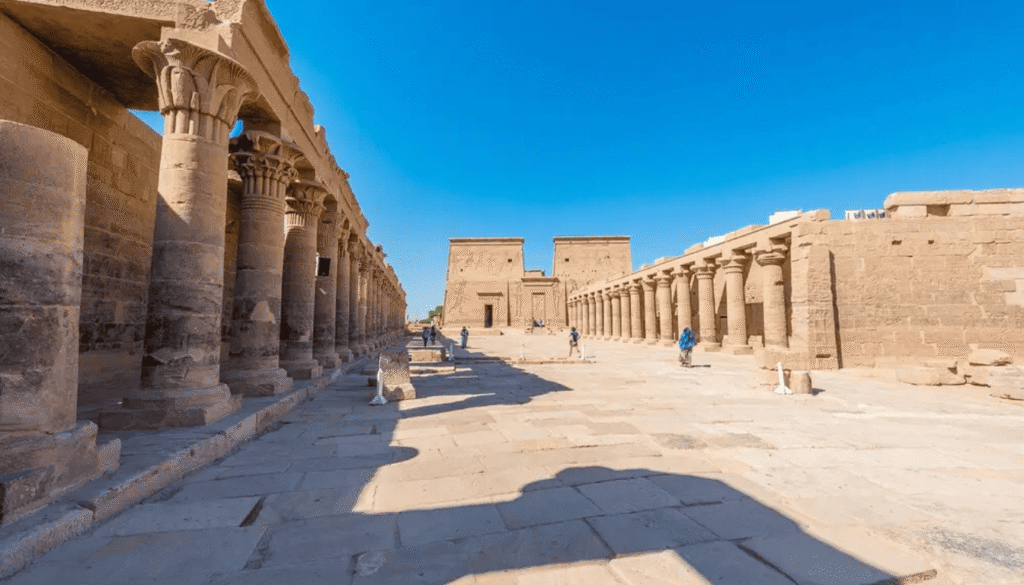
Now let’s talk about why Philae Temple Aswan deserves its reputation as something truly special. This isn’t just another ancient Egyptian temple—it’s a survivor, a testament to human determination, and a place where mythology meets modern engineering.
First, the mythology. Philae was dedicated primarily to Isis, the divine mother and supreme protector in Egyptian religion. She was worshipped here alongside her husband Osiris and their son Horus, forming a holy family that Ancient Egyptians revered for millennia. Believers considered Philae one of the burial places of Osiris, making it incredibly sacred ground. Pilgrims traveled from across Egypt to pray here, seeking Isis’s protection and blessings.
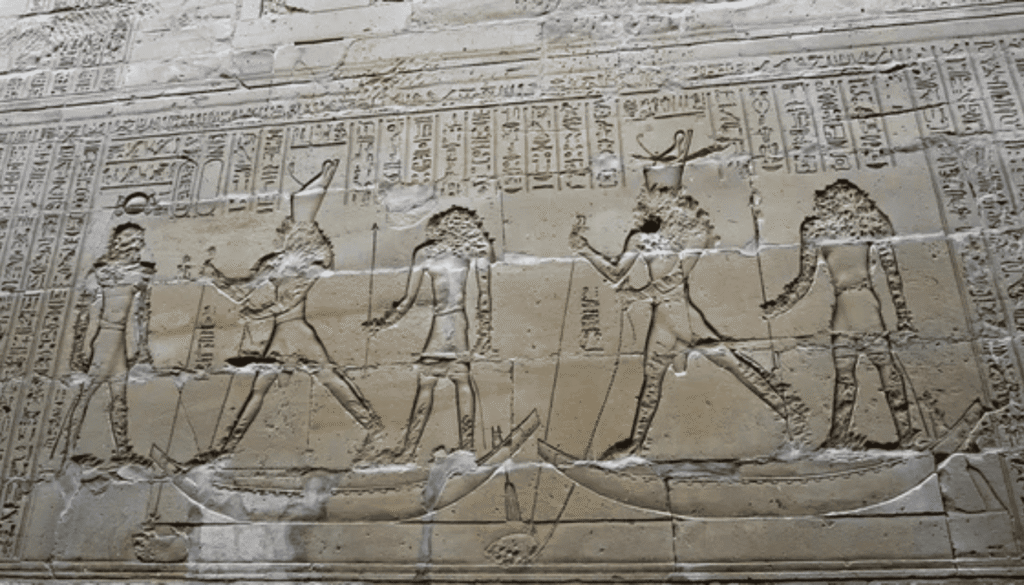
What makes Philae even more remarkable? It was one of the last holdouts of Ancient Egyptian religion. While Christianity swept through Egypt, Isis worship persisted at Philae, protected by the Nubian Blemmye tribe who saw the goddess as their own. The last known hieroglyphic inscription in all of Egypt—called the Graffito of Esmet-Akhom—was carved right here on August 24, 394 CE by a priest named Nesmeterakhem. Think about that. People were still writing in hieroglyphs, still worshipping in the old ways, while the Roman Empire was already Christian.
The temple finally closed between 535 and 537 CE when Emperor Justinian I ordered it shut. Even then, the building survived—converted into a church dedicated to Saint Stephen, you can still see where Christian crosses were carved over older symbols.
Now here’s where the story gets really crazy. After standing for over a thousand years, Philae nearly disappeared completely in the 20th century. When the British built the old Aswan Dam in 1902, the temple flooded for decades. Visitors could only see the tops of columns sticking out of the water like the ruins of Atlantis. Photos from that era are haunting—this magnificent complex slowly drowning in the Nile.
UNESCO couldn’t let that stand. Between 1972 and 1980, engineers launched one of the most ambitious rescue projects in archaeological history. They carefully dismantled all 40,000 blocks of the temple complex, numbered each one, and reconstructed everything on Agilkia Island, which was shaped to resemble the original Philae Island. The price tag? About USD 14 million then—equivalent to roughly 100 million dollars in today’s money.
That’s why the Philae you visit today sits on Agilkia Island, not its original location. But the engineers did such meticulous work that standing among those columns, you’d never know humans took it apart and put it back together like the world’s most precious LEGO set.
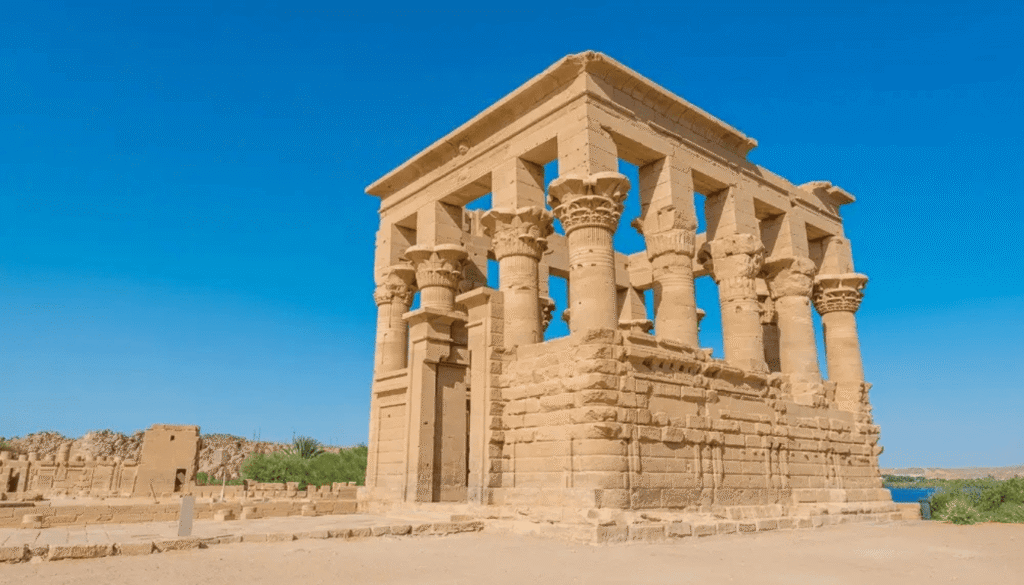
The most photographed structure at Philae is probably Trajan’s Kiosk, sometimes called “Pharaoh’s Bed.” This elegant pavilion supported by 14 columns represents something fascinating—Roman Emperor Trajan embracing Egyptian religion and presenting himself as a traditional pharaoh. It’s Roman authority meeting Egyptian divinity, and architecturally, it’s stunning. Golden hour light filtering through those columns? Chef’s kiss.
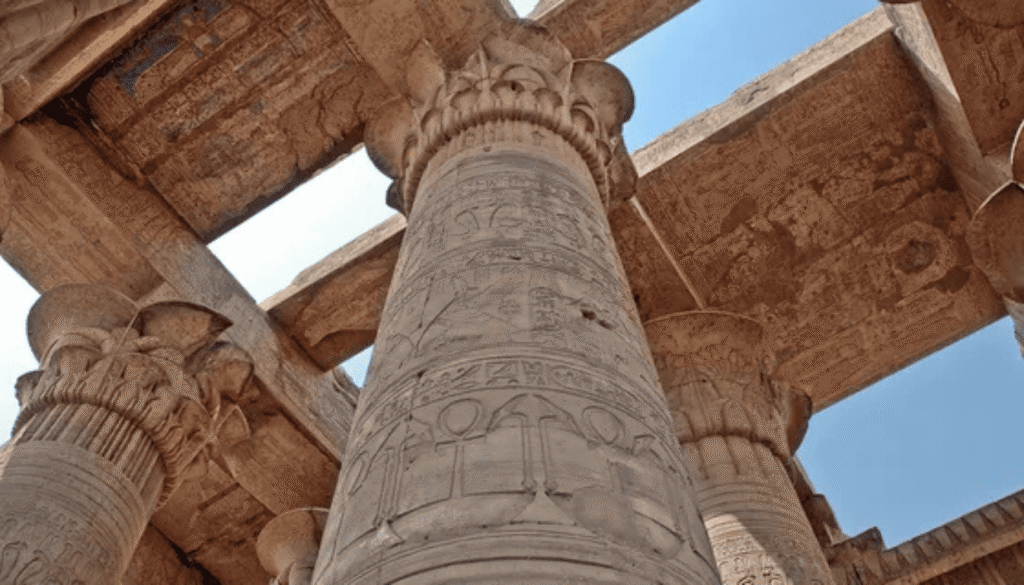
Walking through the Temple of Isis today, running your hands over hieroglyphs that were carved over two thousand years ago, it’s easy to forget you’re standing on a rescue mission. This place shouldn’t exist. By all rights, the ancient Egyptian temples Aswan once protected should be underwater, lost forever. Instead, you can stand in the sanctuary where priests once made offerings to Isis, where pilgrims prayed for protection, where the very last hieroglyphs were carved as an entire civilization made its final statement.
That’s the magic of Philae Temple in Aswan. It’s not just beautiful architecture or impressive history—it’s a place that refused to die, saved by humans who believed some things are too precious to lose.
“Tap here and book now Philae Temple and Aswan High-Dam Half-day tour.”
Day 2: The Modern Marvels and Nubian Immersion
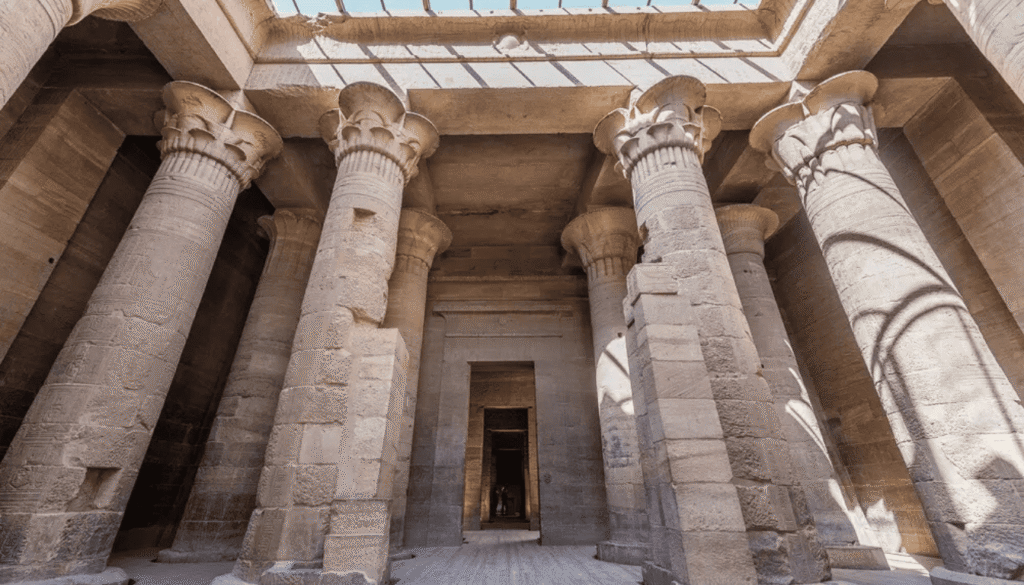
If you thought waking up early for Philae was rough, buckle up. Abu Simbel requires a 4 am wake-up call, maybe 5 am if you’re lucky. The temples are three to four hours from Aswan, usually reached via pre-booked tour (your hotel can arrange this). Is it worth dragging yourself out of bed while it’s still dark? Absolutely yes.
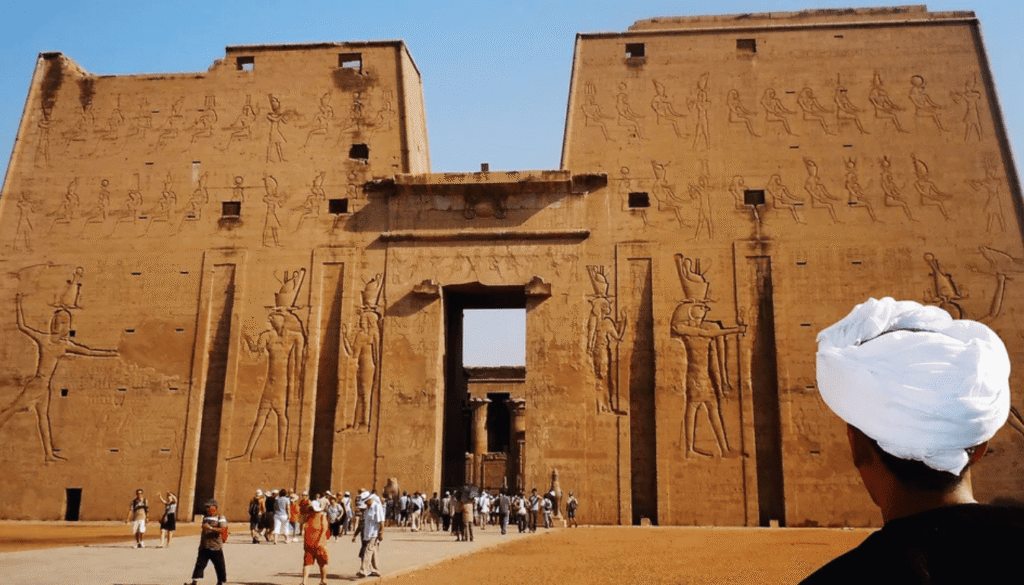
Abu Simbel is seriously impressive—easily the most impressive temple in Aswan’s orbit. The Great Temple of Ramses II features four colossal statues of the pharaoh, each about 20 meters tall, staring out across the desert like eternal guardians. Next door, the Temple of Hathor shows Ramses honored his wife Nefertari in similar grand fashion—rare for a pharaoh known for his enormous ego.
Like Philae, these temples were moved block by block to save them from Lake Nasser. The engineering involved gives you goosebumps. They even preserved the temple’s solar alignment—twice a year, sunlight penetrates deep into the temple to illuminate statues of the gods. Ancient astronomy meeting modern precision.
Most tours get you back to Aswan by early afternoon, which is perfect timing for the Nubian Village. This is where Aswan’s story shifts from ancient stones to living culture, and honestly? It might be my favorite part.
There are actually two main Nubian villages near Aswan. Elephantine Island offers a more touristy experience, but it’s quiet and blessedly cool compared to the mainland. The other village sits farther south on the West Bank and feels more authentic precisely because it’s farther from the tourist haunts. Both offer something special: that explosion of color that Nubian villages are famous for.
I’m talking bright blues, sunny yellows, vivid oranges, and lush greens painted across every home. It’s like someone decided beige was a crime and turned an entire village into a celebration. The Nubian people are famously generous—many families welcome visitors into their homes, serving traditional tea and sharing stories about their heritage.
This generosity has deep roots. The Aswan High Dam’s construction in the 1960s forced thousands of Nubian families from their ancestral lands as Lake Nasser swallowed their villages. Despite this massive displacement, they preserved their cultural identity—their language, their traditions, their distinctive architecture. Visiting a Nubian Village isn’t just pretty houses and good photos (though you’ll take plenty). It’s witnessing cultural resilience.
Speaking of the High Dam, you should see it. Yes, it’s basically a very large wall, but the engineering significance is staggering. Completed in 1970, this concrete colossus measures 3.6 kilometers long and created Lake Nasser, one of the largest artificial lakes on Earth. Before the dam, the Nile’s annual floods were unpredictable—sometimes perfect for farming, sometimes catastrophic. The High Dam changed everything: reliable irrigation, hydroelectric power, agricultural stability.
There’s a certain poetry in seeing these three things together—Abu Simbel’s rescued temples, the Nubian villages born from displacement, and the dam that necessitated both the rescue and the relocation. It’s Aswan’s complete story: ancient grandeur, modern engineering, and human adaptation.
Day 3: Relaxation, Culture, and Alternative Activities
By day three, you’ve earned some slower-paced activities. Start with a felucca ride—these traditional Egyptian sailboats with their distinctive triangular sails are synonymous with Aswan. A short trip offers gentle relaxation as you glide past riverside scenes that haven’t changed in centuries. Longer rides can take you to swimming spots where you can cool off in the Nile (yes, really—locals do it all the time).
Sailing on a felucca is genuinely one of the best things to do in Aswan. No engine noise, no schedule, just wind and water. Bring a book, some snacks, and lean back against the cushions. This is peak Aswan energy—unhurried and peaceful.
For something completely different, visit the Unfinished Obelisk. Located in a granite quarry near the city center, this massive monument was abandoned mid-creation when workers discovered a crack in the stone. What makes it fascinating isn’t what was built, but what you can learn from what wasn’t. The whole thing provides incredible insight into ancient masonry techniques—how they split granite, shaped stone, and transported multi-ton monuments. Hire a guide here; context transforms this from “big rock with a crack” to “wow, that’s how they did it?”
Serious history buffs should check out the Tombs of the Nobles, north of Kitchener’s Island. These see far fewer visitors than other sites, partly because they’re still being excavated. The tombs belonged to local governors and nobles rather than pharaohs, offering a different perspective on Ancient Egyptian life. Again, a guide makes this worthwhile—otherwise, you’re just looking at carved walls without understanding the stories they tell.
For pure natural beauty, head to the Botanic Garden on Kitchener’s Island. It’s a lovely spot for walking and picnicking among exotic plants that Lord Kitchener collected from around the world. Not intensely exciting, but peaceful—which by day three, might be exactly what you need.
Here’s something special: you can experience Philae Temple at night through the Sound and Light Show (about USD 20). Colored lights illuminate the temple while a narrator tells its history through speakers. It’s touristy, sure, but seeing those columns lit up against the night sky is genuinely beautiful.
Want something more intimate? Book a table at Solaih Nubian Restaurant on Bigeh Island. You can watch the Philae light show from across the water while enjoying dinner—same view, better food, more relaxed atmosphere.
“Wake up to breathtaking Nile views and explore the timeless beauty of Aswan.”
Aswan: The Timeless Trilogy of Charm
So what makes Aswan special? It’s not just one thing, though Philae Temple in Aswan alone justifies the journey. It’s how everything connects.
At Philae Temple Aswan, you witness ancient spirituality at its most beautiful—the rescued Temple of Isis standing proud on Agilkia Island, its columns covered in hieroglyphs that still speak across millennia. You walk where pilgrims walked, stand where priests performed rituals to the divine mother, and see humanity’s last hieroglyphic statement carved into stone. The rescue project itself becomes part of the story—modern humans caring enough about ancient heritage to move 40,000 blocks rather than let history drown.
The Aswan High Dam represents the other extreme—modern engineering that reshaped Egypt’s relationship with the Nile. This massive concrete wall brings electricity to millions, enables reliable agriculture, and controls floods that once determined whether communities thrived or starved. It’s not beautiful like Philae, but its significance is undeniable.
Between these two—ancient and modern—the Nubian villages add living color. These aren’t museum pieces or engineering diagrams but actual communities maintaining their identity despite displacement. Their painted houses, generous hospitality, and cultural pride connect Aswan’s past to its present.
These three elements form Aswan’s complete narrative: the rescued temples showing what we value enough to save, the dam demonstrating what we’ll build to reshape nature, and the villages proving culture can survive even when geography changes. Walk through all three, and you understand this city in a way tourist snapshots never capture.
Ready to experience Aswan’s magic yourself? Book accommodation early, especially if you want the Movenpick or another riverside hotel—these fill up during peak season. Grab travel insurance (seriously, medical emergencies abroad get expensive fast). Download Careem, pack light breathable clothes, and bring more sunscreen than seems reasonable.
Most importantly, wake up early for Philae Temple in Aswan. Stand among those columns as morning light turns them golden. Let yourself feel the weight of history—the priests who served Isis here, the pilgrims who sought her blessing, the engineers who refused to let it vanish beneath Lake Nasser. That’s when Aswan stops being just another destination and becomes something you’ll carry with you long after the tan fades.
The Nile has flowed past these granite rocks for millions of years. Ancient temples have stood and fallen, empires have risen and collapsed, and through it all, Aswan has remained—peaceful, beautiful, and waiting for you to discover its magic.