
Why the Tourist Trap Lists Fail: Finding Authentic Cairo Cuisine?
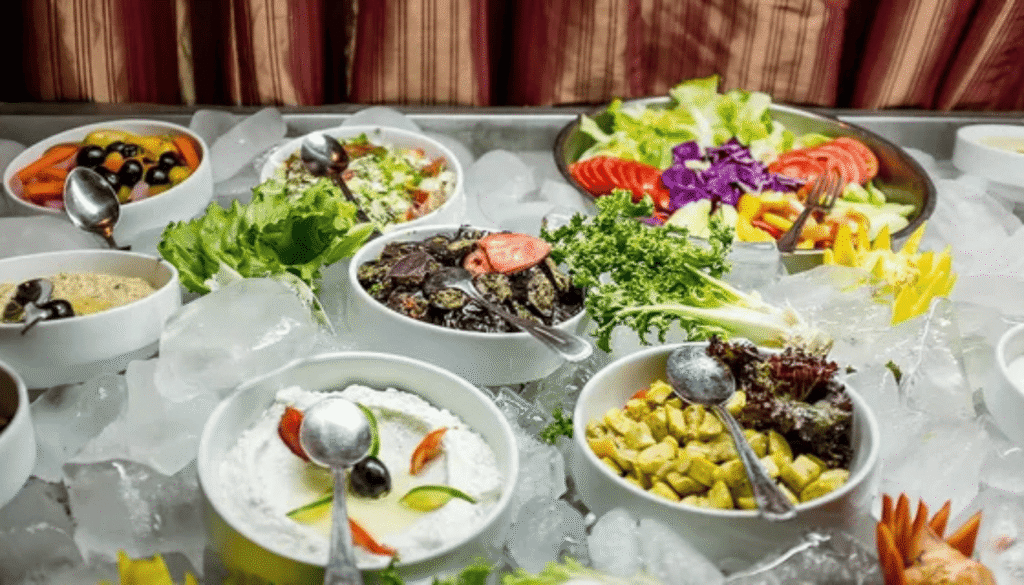
Cairo is a city where history, culture, and food come together to create unforgettable experiences. For travelers and food lovers, exploring traditional-egyptian-restaurants-cairo is the perfect way to taste authentic local flavors. From family-owned kitchens to iconic dining spots, the city offers a rich variety of classic Egyptian dishes. Each restaurant reflects the warmth, spices, and heritage of Egyptian cuisine. Get ready to discover the best places where tradition and taste meet in the heart of Cairo.
Cairo hits you like a wave—the chaos, the horns, the call to prayer echoing between minarets, and somewhere in all that noise, the smell of freshly fried taameya wafting from a street corner. This city is a melting pot of culture, history, and flavors that have been simmering together for thousands of years. But here’s the thing: finding where to actually eat in Cairo can feel like navigating a maze blindfolded.
I’ve spent years eating my way through this city, from hole-in-the-wall joints in Islamic Cairo to rooftop restaurants overlooking the Nile. I’ve followed Instagram influencers to places that looked gorgeous but tasted like cardboard. And I’ve learned the hard way that the best traditional Egyptian restaurants in Cairo aren’t always the ones with the flashiest signs or the most followers.
This guide cuts through the noise. We’re talking about everything—upscale dining where you can watch the sunset over the pyramids, authentic street food that costs less than your morning coffee, and those special spots where locals actually take their families for Friday lunch. Whether you’re looking for the best Egyptian food Cairo has to offer or hunting down famous Egyptian dishes Cairo is known for, I’ve tested them all so you don’t have to waste a single meal.
“Top Restaurants in Cairo You Must Try 2025.”
Taste of the Nation: Deep Dive into Essential Egyptian Cuisine
What is Koshary, and Where Can I Find the Best?
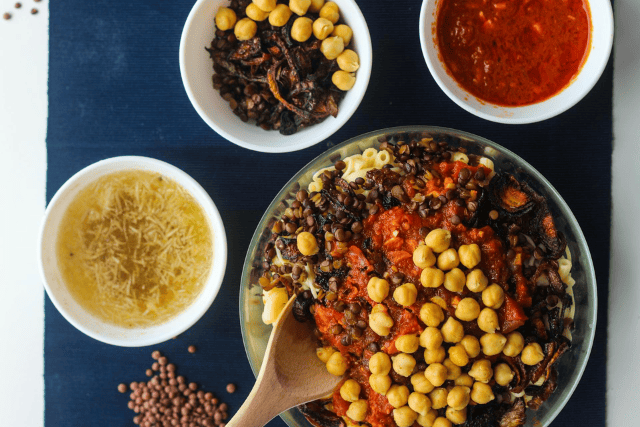
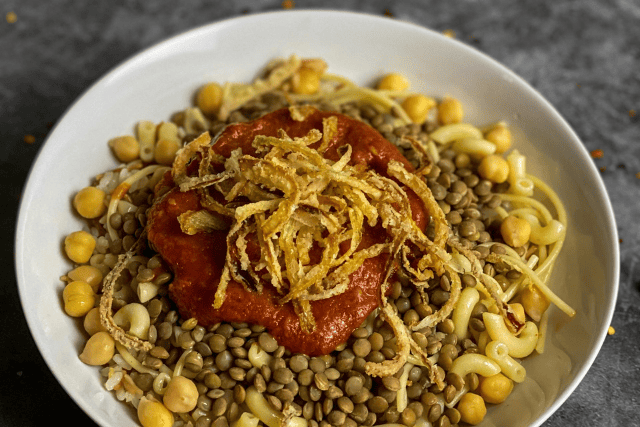
Let’s start with Egypt’s national dish because if you leave Cairo without trying koshary, did you even visit? This isn’t some delicate plate you need a manual to understand. Koshary is chaos in a bowl—rice, macaroni, lentils, chickpeas, all topped with crispy fried onions, spicy tomato sauce, and a garlic vinegar mix that’ll wake up your sinuses. It’s hearty, it’s messy, and it’s 100% vegan (though nobody here is really thinking about that when they order it).
The place everyone knows is Koshary Abou Tarek in Downtown Cairo. This four-story bright-as-daylight restaurant has been serving koshary since 1950, and honestly, they’ve perfected it. The portions are huge, the turnover is fast, and you’re sitting shoulder-to-shoulder with everyone from students to businessmen to tourists who’ve finally figured out where the good stuff is. The prices? Ridiculously cheap. You’ll walk out stuffed for less than what you’d pay for a sandwich back home.
The genius of koshary is that it’s pure Egyptian resourcefulness—simple ingredients that come together into something greater than their parts. Every layer adds texture, every sauce brings a different punch of flavor. This is comfort food that doesn’t apologize for being carb-heavy.
What is the Historical Significance of Molokhia and Fattah?
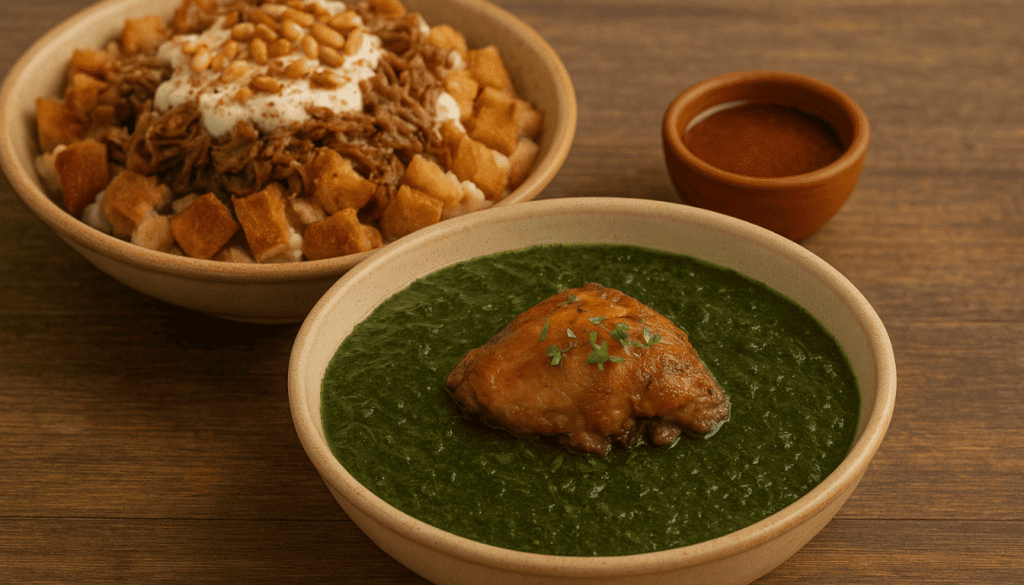
Now we’re getting into the dishes that tell you stories about Egypt. Molokhia might look a bit intimidating at first—it’s made from jute leaves cooked down into a thick, green stew that has a texture some people compare to okra. Egyptians serve it over rice with chicken or rabbit, and it’s been on tables here for centuries. Ancient Egyptians ate this. Pharaohs probably ate this. When someone’s grandmother makes molokhia from scratch, carefully chopping those leaves by hand, you know you’re eating something that carries weight.
Then there’s fattah, and this one’s reserved for the big moments. Weddings. Eid celebrations. When someone comes back from Hajj. Fattah is layers of crispy bread soaked in garlicky vinegar sauce, topped with rice and slow-cooked meat that’s been braising for hours. It’s rich, it’s intense, and it’s the kind of dish that makes you loosen your belt halfway through.
What makes fattah special is the ritual around it. During Eid al-Adha, families gather around massive platters, sharing the meat from their sacrifice. The dish becomes more than food—it’s connection, tradition, and faith all mixed together. You can’t rush fattah, and you can’t eat it alone. That’s the point.
Where Can I Find ‘Bougie’ Street Food Favorites?
Egyptian street food is legendary, but let’s be honest—sometimes your stomach needs a place with air conditioning and clean bathrooms. That’s where Zooba comes in. They’ve taken everyday Egyptian staples like ful (stewed fava beans) and taameya (our version of falafel, made with fava beans instead of chickpeas) and given them the gourmet treatment.
Zooba has locations all over Cairo now, including one near the Grand Egyptian Museum that’s perfect for a quick bite between pyramids. The portions are generous, the presentation is Instagram-ready, and most importantly, the food tastes authentic. Their ful comes with all the fixings—tahini, olive oil, cumin, tomatoes, eggs if you want them. The taameya are crispy on the outside, fluffy green on the inside, exactly how they should be.
Fava beans are the backbone of Egyptian cuisine. We eat them for breakfast, lunch, sometimes dinner. Poor families eat them. Rich families eat them. They’re democratic like that. Zooba just figured out how to serve them in a setting where you won’t have to fight for a plastic chair on a crowded sidewalk.
Dining with a View: Pyramids and Nile River Experiences
Which Restaurant Offers the Most Unique Pyramid View?
Here’s something most tourists don’t know: you can actually eat lunch inside the Giza Plateau, with the pyramids right there in front of you. Khufu’s Restaurant sits on elevated ground with windows facing the ancient wonders, and the view is absolutely unmatched. You’re eating grilled meats and mezze while looking at structures that have stood for 4,500 years. It puts things in perspective.
The catch is logistics. You need to buy an entrance ticket to the plateau (which you were probably planning to do anyway), and the restaurant closes at 5 pm sharp, so this is strictly a lunch spot. But if you’re already touring the pyramids, taking a break here beats sitting on a tour bus eating sad sandwiches. The food is solid Egyptian cuisine—nothing revolutionary, but prepared well with fresh ingredients. Plus, it’s about 10-15 minutes from the Grand Egyptian Museum, so you can easily hit both in one day.
What is the Best Choice for Dinner with a Guaranteed Nile View?
Cairo’s relationship with the Nile is complicated, but at night, when the city lights reflect on the water and the temperature drops just enough to be comfortable, you remember why this river has been Egypt’s lifeline forever.
Crimson sits on a rooftop in Zamalek, and the Nile view from up there is unbeatable. You’re above the noise, catching the breeze, watching feluccas drift by while you work through mezze and grilled seafood. They do breakfast and brunch too, but dinner is when Crimson really shines. The sunset turns the water gold, then purple, then the city lights take over. It’s the kind of view that makes you forget about your phone for a minute.
If you want to be closer to the water, Sequoia on Zamalek Island is the move. This place is open-air, chic without being pretentious, and the Nile is right there. Sequoia gets packed on weekends with Cairo’s fashionable crowd, but for good reason—the sunset views are spectacular, the food is consistently good, and the atmosphere strikes that perfect balance between relaxed and special occasion.
Where Can I Find Multiple Dining Options on the Nile?
Le Pacha 1901 is a permanently docked boat on the Nile in Zamalek, and it’s basically a floating restaurant complex. Inside, you’ve got Carlo’s serving mixed Mediterranean cuisine, L’Asiatique with pan-Asian dishes, and Piccolo Mondo for Italian food. All of them deliver quality consistently, which honestly isn’t something you can say about every restaurant in Cairo.
The advantage of Le Pacha is flexibility. Traveling with picky eaters? Everyone can find something they like. Want to try multiple cuisines during your trip without changing locations? Done. The Nile views are built-in with every table, and because it’s a boat, you get that gentle rocking that somehow makes the meal more memorable.
“Cairo: Unforgettable Nights on the Nile: Dinner Cruise & Show.”
The High-End Scene: Consistency, Fusion, and Fine Dining
Which Restaurants are Renowned for Consistency and High Quality?
Let’s talk about something that frustrates both locals and visitors: Cairo restaurants can be wildly inconsistent. A place serves you an incredible meal one week, then you bring friends the next month and it’s completely different. This is why when you find somewhere reliable, you hold onto it.
Sachi is that place. With locations in Heliopolis, Park Street, and Giza, this award-winning restaurant has built its reputation on never dropping the ball. The menu blends Mediterranean and Asian influences—think perfectly seared tuna, creative sushi rolls, pasta that actually tastes like it should. But what keeps people coming back is the service. The staff remembers your preferences, the timing is flawless, and you never feel rushed.
Food bloggers in Cairo constantly recommend Sachi because it’s become the standard for what high-end dining should be. When other restaurants fail, Sachi stays steady. That consistency matters when you’re celebrating something important or trying to impress someone.
Then there’s Kazoku in New Cairo, which has taken Japanese cuisine seriously in a city where “Japanese food” often means California rolls with way too much mayo. Kazoku serves the best sashimi in Cairo—fish that’s actually fresh, cut properly, served at the right temperature. Their omakase experience puts you in the chef’s hands, and you end up trying things you wouldn’t normally order. This is contemporary Japanese done right, with attention to detail that elevates it beyond just dinner into an experience.
Where Can I Find Upscale Hotel Dining for a Special Occasion?
Cairo’s five-star hotels have always been the safe bet for upscale dining, but some have earned their reputation beyond just having a fancy name on the building.
The Grill at Semiramis Intercontinental is old-school elegance. Dark wood, white tablecloths, waiters in bow ties who know how to properly debone a fish tableside. The steaks here are phenomenal—cooked exactly how you ask, seasoned perfectly, served with classic French sides. This is where Cairo’s power brokers take business dinners and where families celebrate major milestones. The service is the kind you rarely find anymore, where your water glass never empties and your needs are anticipated before you voice them.
Osmanly at the Kempinski Nile Hotel brings nouveau Ottoman cuisine to Cairo, which makes sense given Egypt’s long history under Ottoman rule. The menu features elevated Turkish classics—think tender lamb slow-cooked in clay pots, mezze spreads that go on forever, and their baklava, which they make fresh daily, is criminally good. Layers of phyllo dough so thin you can see through them, filled with pistachios, soaked in syrup that’s sweet but not cloying. You’ll want to order extra to take home.
Worth mentioning, even though it’s technically in Luxor, is 1886 Restaurant at the Sofitel Winter Palace Hotel. If you’re doing the Cairo-Luxor circuit, this is a must-visit. The Victorian ambiance alone is worth it—you’re eating where Agatha Christie wrote Death on the Nile. The menu blends French technique with Egyptian ingredients, and the whole experience feels like stepping back in time to when travel was romantic and meals were events.
Hidden Gems and Historic Icons
What is the Best Reliable Dining Option Inside Khan el Khalili Market?
Khan el Khalili is overwhelming—narrow alleys packed with vendors selling everything from spices to hookahs, sounds bouncing off stone walls, the smell of shisha mixing with street food. After an hour of wandering, you’re ready to sit down, but where do you eat that won’t make you regret it later?
Naguib Mahfouz Restaurant & Cafe is your answer. Named after Egypt’s Nobel Prize-winning author, this place is run by Oberoi Hotels, which means reliable kitchen standards, working air conditioning, and bathrooms you can actually use. The location puts you right in the heart of Islamic Cairo, but you’re shielded from the market chaos. The menu covers Egyptian classics—grilled meats, tagines, mezze—prepared well without cutting corners. It’s not trying to be the most authentic hole-in-the-wall; it’s offering a comfortable middle ground for people who want good food without the gamble.
For something more local, The Egyptian Pancake House serves feteer, which tourists often confuse with pancakes but is actually a flaky, layered pastry that can be stuffed with savory or sweet fillings. This spot has been serving feteer to locals for years, and it’s stayed consistent because they do one thing really well. Watch them stretch the dough paper-thin before folding and baking it. Order it with cheese and olives for savory, or honey and nuts for sweet. Either way, you’re eating something genuinely Egyptian that most tourists never discover.
Where Can I Find Egyptian Classics in a Unique, Ambient Setting?
Abou El Sid in Zamalek (they have locations at City Stars Mall and Mall of Egypt too, but the Zamalek branch is superior) nails the traditional Egyptian atmosphere. The decor leans into vintage Cairo—antique furniture, arabesque patterns, old photographs on the walls. It feels like eating in your Egyptian grandmother’s house, if she had impeccable taste and professional chefs.
The menu is a deep dive into Egyptian home cooking. Sharqisseya—chicken cooked with walnut sauce—is rich and nutty in a way that surprises people. Egyptian moussaka, which is completely different from the Greek version, layers fried eggplant with spiced tomato sauce. Every dish comes out looking beautiful but tasting authentic, not dumbed down for foreign palates. This is where Egyptian families take out-of-town relatives to show them “real” Egyptian food in a nice setting.
Which Classic Cairo Cafes Hold Historical Significance?
Cairo’s downtown has seen better days, but some cafes have survived revolutions, regime changes, and the general chaos of Egyptian history. These places matter not just for the food but for what they represent.
Felfela has been serving traditional Egyptian cuisine since 1959. The walls are covered in hand-painted murals of pharaohs and pyramids, which could feel touristy except that locals actually eat here. The menu is massive—koshari, kebab, grilled pigeon, all the classics. It’s affordable, the portions are generous, and you’re eating somewhere that has fed generations of Cairenes.
Groppi near Tahrir Square is legendary. Established in 1920 by an Italian family, it became the place where Cairo’s elite met for pastries and coffee. The tearoom still has that old-world elegance, even if the neighborhood around it has changed. Their cakes and pastries maintain that European quality the founders built their reputation on.
Café Riche, established in 1908, was where Egypt’s intellectuals gathered. Naguib Mahfouz ate here. Revolutionary ideas were debated over coffee and shisha. The building itself is a time capsule—faded elegance that refuses to modernize. The food is decent but not the point; you’re here for the history soaked into the walls.
Book Dinner between clouds by full rotating restaurant:
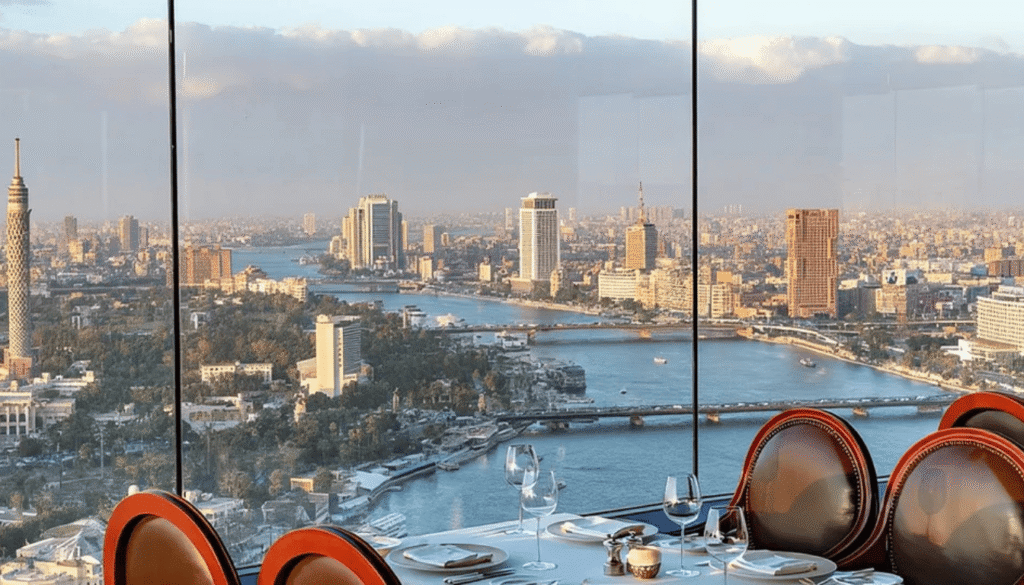
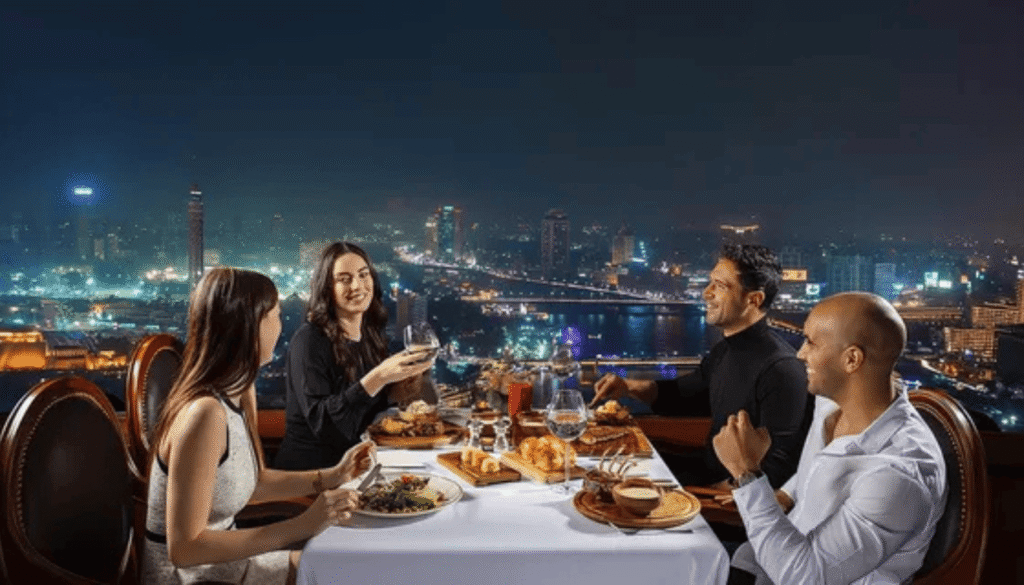
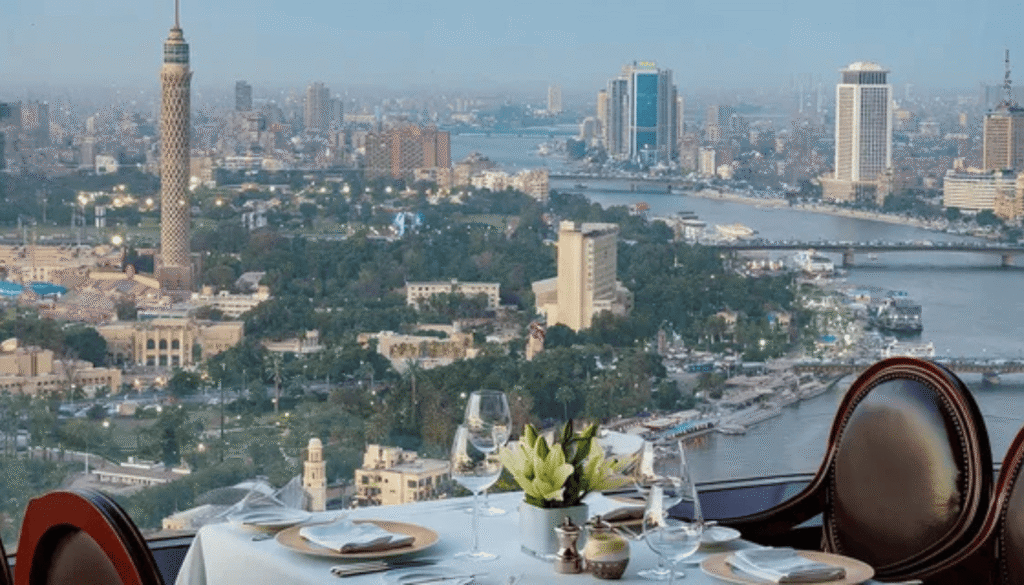
Details: Enjoy your dinner at the most unique top spot in Cairo and Giza where you can see the city from one of the highest buildings in the City with all its beautiful and special details with different angles as the restaurant rotates 360 degrees in an unforgettable atmosphere and a panoramic wonderful view.
“Tap here and book now your Dinner between clouds by full rotating restaurant.”
Culinary Culture & Preservation: Why Food Matters in Egypt
How Does Food Reflect Egyptian Social and Religious Identity?
In Egypt, food is never just food. It’s how we mark time, celebrate faith, and maintain connections. When Ramadan ends and Eid al-Fitr arrives, every household makes kahk—shortbread cookies filled with dates or nuts, dusted with powdered sugar. The recipe passes from grandmother to mother to daughter, each family swearing theirs is the best. Making kahk together is the tradition, not just eating it.
Eid al-Adha brings fattah to the table, a direct connection to the Abrahamic sacrifice story. Families distribute meat to neighbors and the poor, then gather for the feast. The act of sharing isn’t symbolic—it’s real, immediate, and binding. You know your neighbors through the food you exchange during religious holidays.
Egyptian hospitality revolves around food. You visit someone’s house, they feed you. Doesn’t matter if they weren’t expecting you or if it’s between meal times. Refusing food is almost insulting. This generosity isn’t performative; it’s how Egyptians show care and respect. The table is where relationships are built and maintained, where family dramas play out, where life’s big moments happen.
What Unique Foods are Associated with Mūlids?
Mūlids—folk festivals celebrating saints or religious figures—transform neighborhoods into massive street parties. Food vendors line the streets selling hawawshi (spiced meat baked inside flatbread), kebda (sautéed liver with peppers that locals eat standing at carts at 2 am), and sweets like halawa (sesame paste) and malban (Turkish delight in every color imaginable).
But the real heart of mūlids is mawaid al-rahman, which translates to “tables of mercy.” Wealthy families or community organizations set up long tables of free food for anyone to eat. This isn’t charity in the condescending sense—it’s communal, a religious obligation to feed others regardless of who they are. You could be a businessman or a street cleaner; everyone sits together. This practice reinforces social solidarity in ways that formal programs never could.
How are Egyptian Culinary Traditions Being Preserved in the Age of Globalization?
Walk through Cairo’s newer neighborhoods and you’ll find sushi restaurants, American burger joints, Italian cafes—globalization is real and visible. Egyptian kids grow up on fast food just like everywhere else. But there’s pushback happening, a conscious effort to keep traditional food alive.
High-end restaurants like Zooba are reintroducing classic Egyptian street food with modern presentation, making it cool again for younger generations. Food festivals celebrate traditional dishes, teaching people recipes that might otherwise fade. Social media, despite its problems, has become a tool for archiving grandmother’s cooking techniques and regional variations.
Television cooking shows feature Egyptian chefs preparing traditional meals, explaining the history and cultural significance behind each dish. This documentation matters. When recipes exist only in someone’s memory, they’re one generation away from disappearing. By writing them down, filming them, and celebrating them, there’s hope they’ll survive.
The challenge is balancing preservation with evolution. Food can’t be frozen in time—it needs to adapt. But the core flavors, techniques, and cultural meanings behind Egyptian dishes deserve protection. Places that nail this balance, serving traditional food that respects its roots while appealing to contemporary tastes, are the ones that will carry Egyptian cuisine forward.
Navigating Cairo’s Culinary Landscape Like a Local
The best dining experience in Cairo requires balance. You need to try the chaotic street food—the koshary from Abou Tarek eaten standing up, the taameya from a cart where the vendor knows exactly how you like it after your second visit. But you also deserve those special meals with pyramid views at Khufu’s or sunset watching the Nile from Sequoia’s terrace.
Here’s the trick: use local knowledge to bypass the traps. Ask your hotel staff where they eat, not where they recommend for tourists. Those are different answers. Notice where Egyptian families line up on Friday afternoons—that’s probably worth your time. And trust places that have survived decades, like Felfela or Café Riche, because you don’t last that long in Cairo serving bad food.
Seek out restaurants that embody Egyptian history, whether through architecture, like dining inside the Giza Plateau, or through food’s cultural symbolism, like eating fattah during Eid or molokhia prepared the way it has been for centuries. These experiences connect you to something bigger than just a meal.
And remember: the best meal you’ll have here probably won’t be at the most expensive restaurant. It might be koshary eaten at a plastic table in downtown Cairo, surrounded by noise, tasting exactly the way it should. That’s when you’ll know you’ve found the real Cairo.