
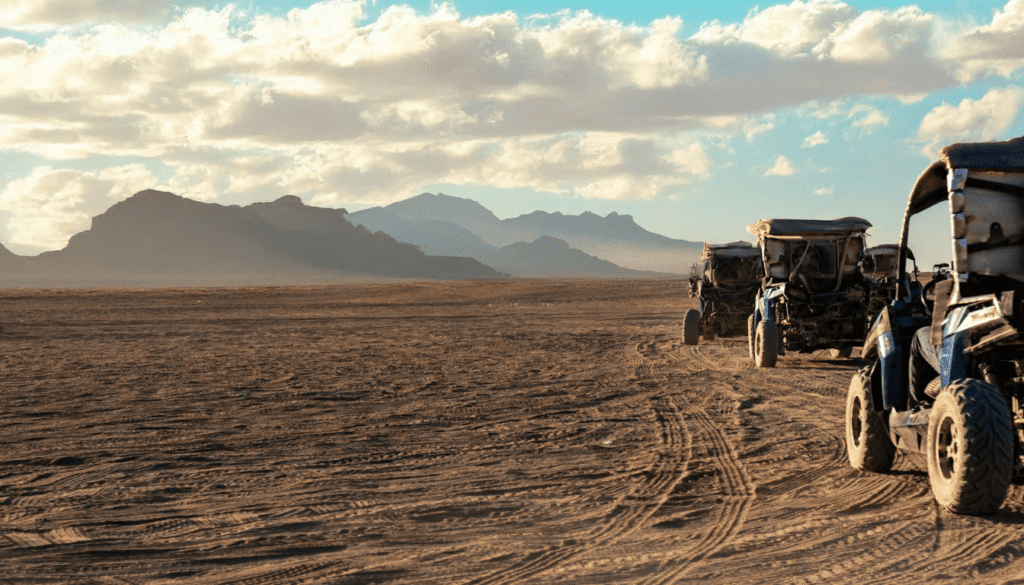
Egypt Beyond the Pyramids
If you’re searching for the top desert safari Egypt experiences, Egypt offers unforgettable adventures across vast dunes and dramatic landscapes. From thrilling 4×4 rides to magical desert camping under the stars, the Egyptian desert is a dream for true adventure seekers. In this guide, we explore the Top 5 Desert Safari Experiences in Egypt that combine adrenaline, culture, and natural beauty. Get ready to discover Egypt beyond the pyramids.
Most travelers land in Cairo with one image burned into their minds: the Great Pyramids standing against a copper sunset. And yes, those ancient wonders deserve every bit of attention they get. But here’s what surprised me during my first trip to Egypt—the pyramids occupy just a tiny fraction of this country’s landscape. Roughly 95% of Egypt is pure desert, a mysterious landscape stretching from the Nile Valley to distant borders, hiding centuries-old caravan routes, bizarre rock formations that look like they belong on Mars, and adventures that’ll make your heart race faster than any camel ever could.
I’m talking about the kind of experiences where you’re standing on a dune at sunset, sand whipping around your boots, watching the sky turn seventeen shades of orange while a Bedouin guide points out constellations you’ve never seen before. Or bouncing across volcanic mountains in a 4×4, GPS coordinates your only companion, tracking the same paths that WWII soldiers used decades ago.
Egypt offers everything from adrenaline-fueled quad biking at the Pyramids to remote 14-day expeditions in Gilf Kebir, blending ancient history with raw wilderness adventure. Whether you’re after a quick day trip from Cairo or ready to disappear into the Western Desert for two weeks, these top 5 desert safari experiences in Egypt will show you a side of the country that most tourists never witness.
Before we get into the best adventures, let’s clear up some geography. Egypt essentially has two main desert regions. The Western Desert sprawls from the Nile Valley all the way to the Libyan border—this is where you’ll find those famous white chalk formations and remote oases that feel like stepping into another century. Then there’s the Eastern Desert, running from the Nile to the Red Sea coast, characterized by rugged mountains, ancient mining routes, and Bedouin settlements that have thrived here for generations.
Now, let’s get to what you really came here for.
“Tap here and learn more about Top 5 Beaches in Egypt You Must Visit: Why Travelers Love Them.”
1. The “Science Safari” at Wadi El-Rayan & Wadi Hitan
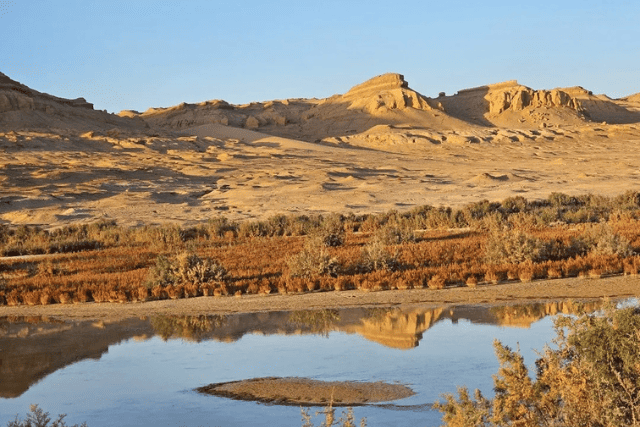
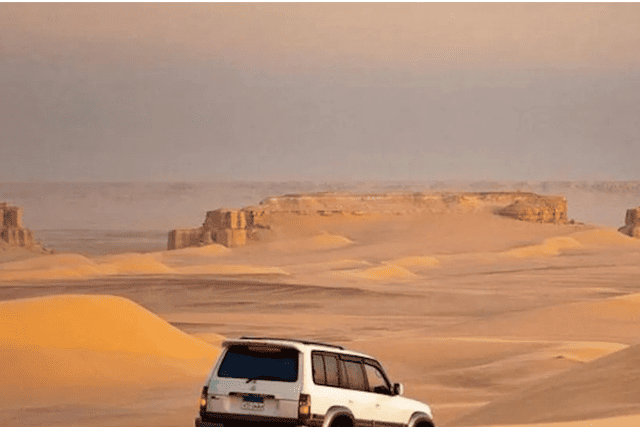
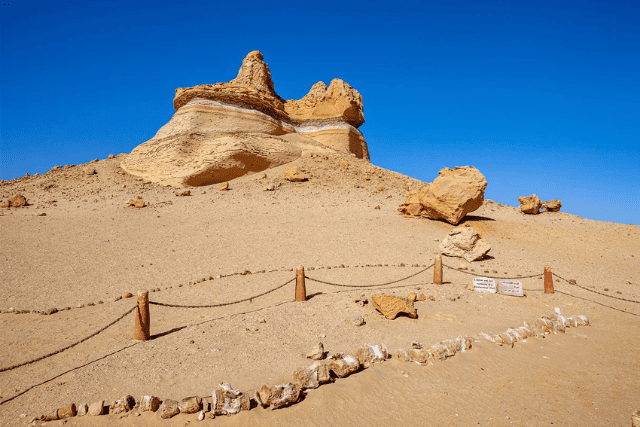
If you’d told me before visiting Egypt that I’d be standing in the middle of the Sahara staring at whale fossils, I would’ve laughed. But that’s exactly what happens at Wadi Hitan, and honestly, it’s one of those experiences that rewires your understanding of geological time.
Located about three hours southwest of Cairo in the Fayoum Depression, Wadi Hitan—which translates to “Valley of the Whales”—is Egypt’s only UNESCO Natural World Heritage site designated purely for its natural value. We’re not talking metaphorical whales here. These are actual fossilized skeletons of prehistoric whales, specifically Basilosaurus and Dorudon species, preserved in the sandstone from when this entire desert was an ancient ocean roughly 40 million years ago.
The desert safari Egypt experience here differs completely from the adrenaline-rush variety. You’ll spend your day hiking between fossil sites with a paleontology-trained guide who’ll explain how these early whales still had tiny, useless hind legs—evolutionary leftovers from when their ancestors walked on land. The largest skeleton stretches over 15 meters long, and you’re allowed to get remarkably close. I remember kneeling beside one fossilized vertebra, running my fingers along grooves worn by ancient currents, thinking about how this creature swam through warm seas where I was now surrounded by nothing but sand and wind.
But Wadi Hitan isn’t the only stop on this science-focused safari. Most Egypt desert safari tours in this region combine it with Wadi El-Rayan, a protected area famous for its two connected salt lakes and Egypt’s only natural waterfalls. The landscape shifts dramatically here—from the bone-dry desert to these surprisingly lush oases where flamingos wade through shallow waters and date palms provide actual shade.
The best operators offer overnight camping between the two sites. Picture sleeping in a Bedouin-style tent, the Milky Way so bright overhead you could navigate by starlight alone, and waking to the sound of absolutely nothing. That silence is something you can’t find anywhere near civilization.
Practical tip: Visit between October and March when daytime temperatures hover around a comfortable 20-25°C. Summer months here push past 40°C, which turns sightseeing into survival. Most tours from Cairo include transportation, guide fees, and camping equipment, running between $80-150 per person depending on group size and amenities.
2. The Extreme “National Geographic” Expedition: Gilf Kebir
Let me be straight with you: this isn’t for casual travelers. The Gilf Kebir expedition represents the best desert safari in Egypt for serious adventurers who want to push their limits and witness landscapes so remote that you won’t see another human for days.
Located in Egypt’s southwestern corner, near the Libyan and Sudanese borders, Gilf Kebir is a massive sandstone plateau roughly the size of Switzerland. Getting there requires 10-14 days of intense desert driving through the Great Sand Sea, covering between 2,500 to 3,000 kilometers of trackless terrain. Your lifelines are GPS coordinates, experienced drivers who know how to read the dunes, and enough fuel and water to keep a small expedition alive for two weeks.
So why would anyone sign up for this kind of punishment? Because Gilf Kebir offers rewards you literally cannot find anywhere else on the planet.
First, there’s the prehistoric rock art. The plateau contains the famous Cave of Swimmers, discovered by Hungarian explorer László Almásy in 1933 (yes, the same guy from “The English Patient”). These Neolithic paintings, estimated to be 8,000-10,000 years old, depict humans swimming in what was once a green, water-filled landscape. Standing in that cave, looking at figures painted by people who lived here when the Sahara was still savanna, hits differently than any museum ever could.
Then there’s the sheer geology. The plateau rises abruptly from the surrounding desert, creating cliffs that stretch for hundreds of kilometers. You’ll camp in valleys between towering rock walls, where erosion has carved out natural amphitheaters and caves. The silence is so complete that you can hear your own heartbeat.
This Egypt desert safari tour also connects with WWII history. The Long Range Desert Group used these routes during the North African campaign, and you’ll occasionally spot rusted jerry cans or track marks from military vehicles—haunting reminders that this unforgiving landscape has witnessed human drama for millennia.
But here’s the reality check: Gilf Kebir safaris cost between $3,500-5,000 per person, require serious physical fitness, and involve sleeping in tents every single night with minimal comfort. You’ll be rationing water, dealing with mechanical breakdowns, and spending 8-10 hours daily in a 4×4 bouncing across dunes. Still interested? Then you’re exactly the kind of traveler this experience was designed for.
Essential detail: Only a handful of operators have the permits and experience to run these expeditions. Companies like Desert Adventure and Zarzora Expeditions specialize in Gilf Kebir trips, typically running them between October and March when temperatures are manageable.
3. The “Eco-Glamping” Experience in Wadi El-Gemal National Park
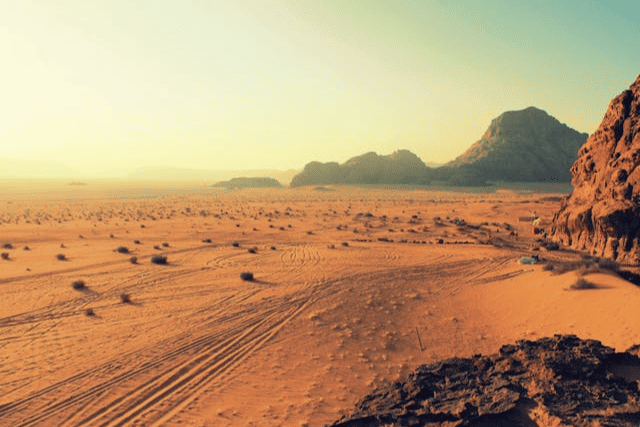
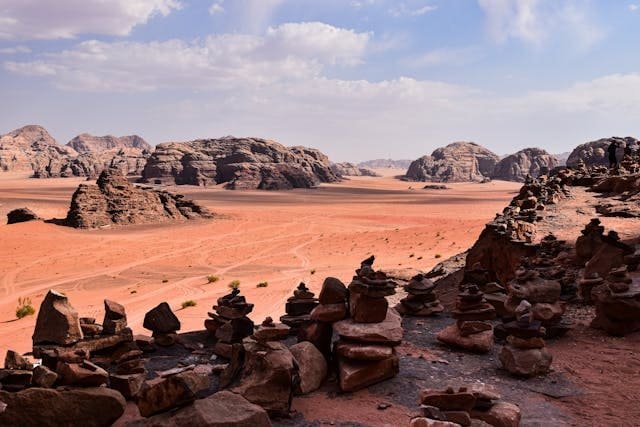
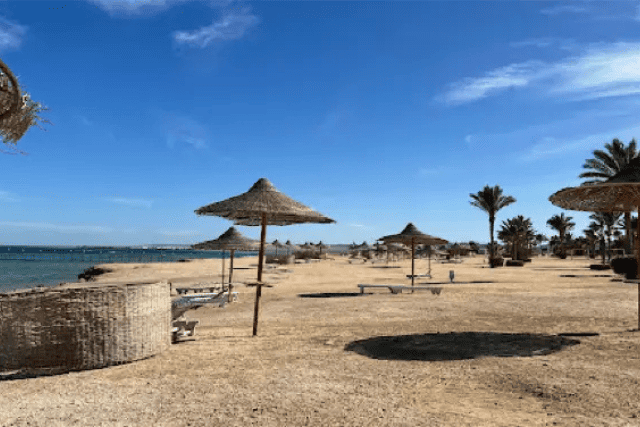
After talking about two-week expeditions and fossil hunts, let’s shift to something that combines adventure with actual comfort. The eco-glamping experience in Marsa Alam’s Wadi El-Gemal National Park proves that “roughing it” doesn’t have to mean sacrificing every modern convenience.
Wadi El-Gemal, which means “Valley of the Camels,” protects 7,450 square kilometers of coastal desert where the Eastern Desert mountains tumble down to meet the Red Sea. The landscape here moves through dramatic transitions—from coral reefs teeming with tropical fish to mangrove forests to interior valleys where acacia trees somehow survive on minimal rainfall.
Several eco-lodges operate within the park, offering what I’d call “luxury with a conscience.” We’re talking spacious canvas tents or traditional Bedouin-style structures built from natural materials, but equipped with real beds, proper bathrooms, solar-powered electricity, and even air conditioning in some cases. The best setups feature beachfront locations where you can literally roll out of your tent and onto pristine sand beaches that see maybe a dozen visitors per week.
What makes this one of the top desert safari experiences in Egypt is how seamlessly it blends different environments and activities. Your morning might start with snorkeling over untouched coral reefs—the park’s marine section contains some of the Red Sea’s healthiest reef systems—followed by an afternoon 4×4 safari into the interior valleys to visit Sikait, an ancient Roman emerald mining town with ruins dating back 2,000 years.
The Bedouin communities who call Wadi El-Gemal home actively participate in running these eco-tourism initiatives. Your guides are often members of the Ababda tribe, whose ancestors have navigated these mountains for centuries. They’ll show you desert plants that nobody else notices—explaining which ones store water, which provide medicine, which the camels prefer eating. You’ll learn to read animal tracks in the sand, spot medicinal herbs, and understand how people have survived in this environment for generations.
Evening programs often include traditional Bedouin dinners cooked in underground ovens, followed by storytelling sessions around campfires while tea brews in small glasses. The stories range from tribal history to personal adventures, and if you’re lucky, someone might pull out a traditional instrument like the rababa (a single-stringed fiddle) for impromptu music.
Wildlife watching adds another dimension. Wadi El-Gemal harbors species you won’t see anywhere else—Nubian ibex scaling impossible cliff faces, Dorcas gazelles in the interior valleys, and over 60 species of birds including the magnificent Verreaux’s eagle. If you’re exceptionally fortunate, you might even spot the critically endangered Egyptian tortoise.
Planning notes: Three to four-night packages typically cost $600-1,200 per person, including accommodations, meals, guided activities, and park fees. The lodges deliberately limit guest numbers to minimize environmental impact, so booking several months ahead is essential, especially for winter months when weather is perfect.
4. Sandboarding the Great Sand Sea Near Siwa Oasis
Sometimes the best adventures are also the simplest. Take a wooden board, find the tallest dune you can climb, strap in, and point yourself downhill. That’s sandboarding, and the Great Sand Sea near Siwa Oasis offers some of the most spectacular conditions for this adrenaline-pumping activity anywhere on Earth.
The Great Sand Sea stretches across 72,000 square kilometers of nothing but sand dunes, some reaching heights of 100 meters or more. Unlike rocky deserts where you’re constantly dodging stones and scrub vegetation, this is pure, golden sand as far as you can see—wave after wave of dunes shaped by wind into crescents, ridges, and slopes that seem purpose-built for sliding down at high speed.
Siwa Oasis itself deserves its reputation as one of Egypt’s most enchanting destinations. Located just 50 kilometers from the Libyan border, this isolated settlement remained virtually cut off from the rest of Egypt until a paved road was finally built in the 1980s. The oasis is famous for its salt lakes—where the water is so dense with minerals that floating requires zero effort—and for the Temple of the Oracle, where Alexander the Great supposedly received confirmation of his divine status.
But we’re here to talk about sandboarding, and Siwa’s surrounding dunes deliver an experience that’ll have you grinning like a kid all day. Most Egypt desert safari tours here dedicate an afternoon to this activity, typically starting with a 4×4 drive into the dune fields. Your guide will scout out the best slopes—looking for the right combination of height, angle, and sand consistency.
Here’s what nobody tells you beforehand: climbing a 60-meter dune in soft sand is absolutely exhausting. You take two steps forward and slide one step back. Your calves burn. You’re sweating through your shirt despite the dry air. But then you reach the top, strap onto the board, position yourself at the crest, and suddenly you’re flying.
The rush is incredible. Sand sprays up around you, wind tears at your clothes, and the ground blurs beneath the board. A good run lasts 15-20 seconds of pure speed before you gradually slow down and finally skid to a stop at the base. Then you look back up at that massive dune you just descended and think, “Let’s do it again.”
Most people complete 5-8 runs before their legs give out completely. Between attempts, you’ll notice how the light changes across the dunes, creating shadows that shift the entire landscape from gold to amber to almost pink as afternoon turns to evening. Smart operators time these sessions to end right at sunset, giving you that classic desert safari moment—sitting atop a dune, catching your breath, watching the sun sink into an ocean of sand while the temperature drops and the first stars appear.
Pro tips: Wear long pants and closed shoes—sand burns when you wipe out, and you will wipe out. Bring way more water than you think you need. Most day trips from Siwa town cost $40-70 per person and include transportation, boards, and a guide. If you want to level up the experience, some operators offer overnight camping near the dunes, complete with Bedouin dinner and the next morning’s sunrise session when the sand is cooler and the light is magic.
5. Stargazing & Astronomy Lessons in the White Desert
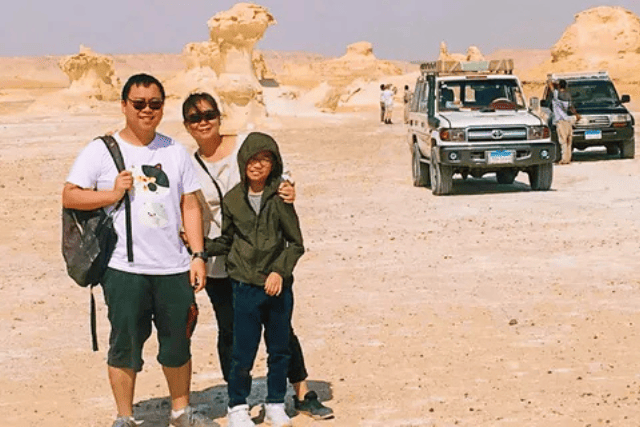
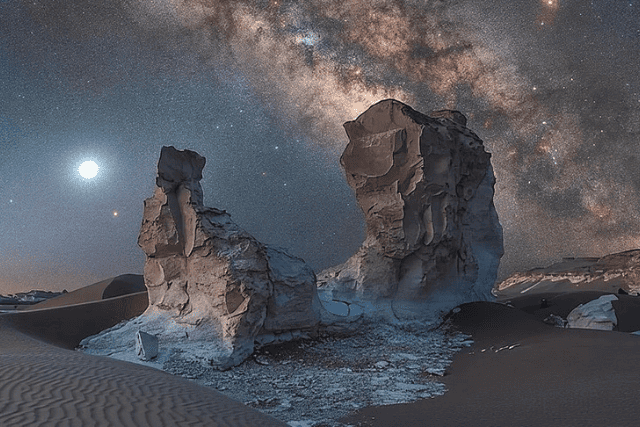
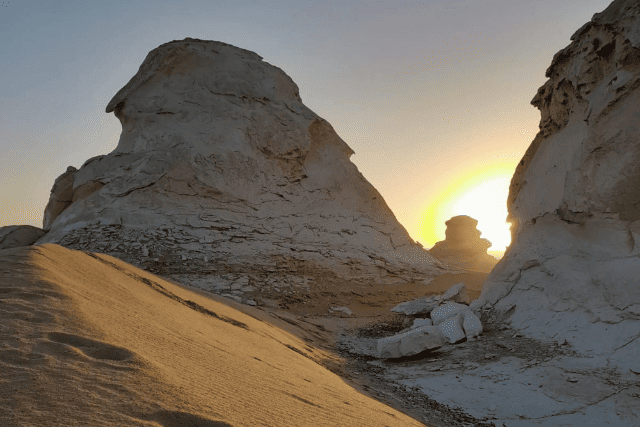
The White Desert near Farafra Oasis looks like something dreamed up by a science fiction set designer. Wind-carved chalk formations rise from the desert floor in surreal shapes—mushrooms, chickens, castles, abstract sculptures that defy easy description. During the day, these white rocks gleam so brightly against the blue sky that you need sunglasses. But the real show starts after the sun goes down.
This region offers some of the darkest skies on the planet. There’s no light pollution out here—the nearest town is 45 kilometers away, and “town” means maybe a few hundred people. When night falls in the White Desert, you witness the kind of sky that humans saw for hundreds of thousands of years before electricity messed everything up.
Several specialized operators now offer astronomy-focused desert safari Egypt experiences here, complete with professional telescopes and guides who actually know their way around the night sky. We’re not just talking about some guy pointing up and saying “there’s the Big Dipper.” These are serious astronomy sessions led by experts who’ve set up proper equipment—Dobsonian telescopes with 10-inch apertures, laser pointers for constellation identification, star charts, and red-light headlamps that preserve your night vision.
The experience typically starts right after dinner. While tea brews over a campfire, your astronomy guide begins with naked-eye orientation. You’ll learn to identify major constellations, understand how the celestial sphere rotates, and grasp why certain stars and planets are visible at different seasons. Then the telescopes come out, and the universe suddenly gets a lot closer.
Looking at Saturn through a quality telescope for the first time is genuinely life-changing. Those rings you’ve seen in textbooks since elementary school suddenly become real—a actual three-dimensional object hanging in space, with distinct gaps between the rings and sometimes tiny moons visible nearby. Jupiter reveals its cloud bands and Galilean moons arranged like pearls on a string. Mars appears as a distinct orange disk rather than just a bright point of light.
But planets are just the opening act. The White Desert’s location and atmospheric conditions make it exceptional for deep-sky viewing. The Milky Way stretches overhead in such detail that you can make out dark nebulae—clouds of dust blocking the starlight behind them. The Orion Nebula transforms from a fuzzy smudge into a structure with visible layers. The Pleiades star cluster explodes from the usual seven bright stars into dozens of fainter members.
Between telescope sessions, you’ll do something that sounds simple but becomes profound in this setting: you just lie on your back on the desert sand and look up. No telescope, no binoculars, just your eyes and several thousand stars. Satellites drift across the sky every few minutes. Meteors streak through regularly—even outside major meteor showers, you’ll typically see 5-10 per hour. If you’re lucky enough to visit during a new moon, the entire Milky Way appears as a bright band running from horizon to horizon.
The White Desert camping experience adds another layer to this. You’ll sleep in Bedouin-style tents or under the stars (genuinely under the stars, not metaphorically) among those bizarre chalk formations. Waking up at 3 AM and seeing the entire sky has rotated, with different constellations now dominating, drives home just how much the Earth is actually moving beneath you.
Important details: These astronomy-focused tours typically run $150-250 per person for overnight trips from Cairo or Bahariya Oasis, including transportation, camping equipment, meals, and telescope use. The best viewing months are November through February when skies are clearest and new moon dates align with comfortable temperatures. Professional astronomy tours book out quickly, so reserve at least 2-3 months ahead.
Cultural Immersion: Bedouin Life & The “Desert Pharmacy”
Every Egypt desert safari tour worth its salt includes meaningful interaction with Bedouin communities, and this cultural dimension transforms what could be just adventure tourism into something more substantial.
The Bedouin have inhabited Egypt’s deserts for centuries, developing survival knowledge that would take outsiders lifetimes to accumulate. During most multi-day safaris, you’ll visit Bedouin settlements or camps, and if you approach these encounters with genuine curiosity rather than touristy expectations, you’ll learn things that guidebooks never mention.
Tea ceremonies provide the social foundation. Bedouin hospitality revolves around tea—specifically, strong black tea brewed with fresh mint leaves and enough sugar to make your teeth ache. But the tea itself matters less than the ritual. Your hosts will prepare it with deliberate care, pouring from height to create foam, serving in small glasses that require multiple refills. This is when conversations happen, when stories get told, when you stop being a tourist and become a guest.
I’ve watched Bedouin women demonstrate traditional bread-making, mixing flour with water and a bit of salt, kneading the dough on a cloth spread across their laps, then cooking the flat rounds on a metal sheet propped over hot coals. The bread emerges hot, slightly charred, perfect for tearing apart and sharing. Simple food prepared with skill accumulated over generations tastes fundamentally different from restaurant meals.
But one aspect of Bedouin knowledge particularly fascinates me: traditional herbal medicine, what some guides call the “desert pharmacy.” The Bedouin have used local plants for treating common ailments for centuries, and many of these remedies actually work.
Hibiscus (karkadeh in Arabic) grows in gardens near oases and gets brewed into a tart, deep-red tea. Bedouin medicine uses it specifically for regulating blood pressure—hot hibiscus tea supposedly raises pressure while cold hibiscus lowers it. Modern research has actually backed up the blood pressure claims, finding that hibiscus contains compounds that act similarly to certain pharmaceutical medications.
Marmar (a type of sage) addresses stress and anxiety. It’s typically brewed as tea and drunk before sleep. The Bedouin describe it as calming the mind, making it easier to release worries and rest properly. On a three-day safari in Sinai, our guide prepared marmar tea one evening when another traveler mentioned struggling with altitude headaches, and the guy swore it helped.
Harel (harmal or Syrian rue) treats stomach problems and cold symptoms. The seeds get ground and mixed with honey, or sometimes brewed as weak tea. Bedouin guides warned me that harel is powerful medicine—too much causes side effects—so it’s used sparingly and only when actually needed.
Handal fruit (colocynth or bitter apple) represents more complex preparation. The fruit itself is extremely bitter and mildly toxic if consumed raw. But the Bedouin boil it with other herbs to create a cream used for massage, particularly for joint pain and muscle soreness. After a day of climbing dunes and bouncing in a 4×4, having a Bedouin guide offer you handal cream for your aching back creates an oddly profound moment—ancient medicine meeting modern adventure tourism.
Spending time with Bedouin communities during your desert safari in Egypt adds context that makes the landscapes more meaningful. You start to understand why certain oases developed where they did, how people read weather patterns in cloud formations, why particular plants matter beyond just being greenery in the sand. These interactions transform abstract desert scenery into lived-in landscapes with human history stretching back millennia.
Logistics & Survival: How to Plan Your Safari
Let’s get practical. You’ve read about these incredible experiences, maybe started imagining yourself on a dune at sunset or peering through a telescope at Saturn. Now comes the actual planning, and Egypt desert safari tours involve more logistics than just booking a hotel.
When is the best time for an Egypt desert safari?
September through April represents the ideal window. October and November offer perfect conditions—warm days around 25-30°C, cool nights that drop to 10-15°C, and minimal chance of rain (which can occasionally close roads). December through February delivers cooler temperatures, with daytime highs around 20-25°C and nights that can plunge near freezing, especially in the Western Desert. You’ll want serious layering. March and April warm back up but remain comfortable.
Avoid May through August unless you enjoy testing your heat tolerance. Summer temperatures in the Egyptian deserts regularly exceed 40°C, sometimes hitting 45-50°C in the deep interior. Even the Bedouin minimize movement during these months, and most tour operators either shut down entirely or drastically reduce trips.
Do I need a permit for a desert safari?
Yes, absolutely. Egyptian authorities require permits for multi-day trips and access to specific remote areas, particularly in the Western Desert and along border regions. The good news: you don’t handle this bureaucracy yourself. Licensed tour operators submit permit applications on your behalf, but they need at least one week’s advance notice (sometimes more for places like Gilf Kebir).
This is precisely why booking through certified travel agencies matters. They maintain relationships with the necessary government offices, know which areas require which permits, and handle all the paperwork. Trying to organize a desert safari independently might save money theoretically, but will likely result in permit problems that derail your entire trip.
What should I pack for the desert?
The desert’s extreme temperature swings—scorching days and surprisingly cold nights—require smart layering. Essential items include:
Lightweight, loose cotton clothing for daytime that covers your arms and legs (protects from sun and sand). A warm jacket or fleece for nights, especially in winter months. A scarf or shemagh to wrap around your face when wind kicks up sand. Sturdy closed-toe shoes with good ankle support—sandals will fill with sand and leave you miserable. High-SPF sunscreen and lip balm with UV protection. Quality sunglasses with UV protection and ideally a retention strap. A headlamp for nighttime navigation around camp. A small backpack for day trips. Personal medications plus basic first aid supplies. Reusable water bottle—hydration matters critically in desert environments.
What not to bring: fancy electronics that can’t handle dust, excessive amounts of clothing (you’ll wear the same outfit multiple days), and rigid expectations about cleanliness. Desert camping means accepting that sand gets everywhere, showers might be cold or nonexistent, and bathroom facilities range from basic to “find a dune.”
Transportation Requirements
The best desert safari in Egypt uses appropriate vehicles for terrain. Western Desert expeditions absolutely require 4×4 vehicles—typically Toyota Land Cruisers or similar trucks with high clearance, sand tires, and proper communication equipment. These safaris involve serious off-road driving through soft sand where regular vehicles would strand you within an hour.
Red Sea and Sinai trips often incorporate quad bikes or dune buggies for shorter desert sections. These provide more hands-on adventure but work only for day trips or shorter excursions from coastal bases.
For White Desert and Bahariya trips, groups typically travel in convoys of 2-3 vehicles. This redundancy ensures that if one breaks down, others provide backup. Experienced drivers understand sand driving techniques—maintaining momentum, reading dune slopes, knowing when to lower tire pressure for better traction.
Choosing Operators Wisely
This matters more than any other planning decision. Quality operators maintain proper insurance, employ trained guides, use well-maintained vehicles with backup equipment, follow Leave No Trace principles, pay fair wages to Bedouin staff, and have emergency protocols including satellite phones and medical kits.
Red flags include operators offering prices dramatically below market rates, lacking proper business licenses, unable to provide client references, or promising access to restricted areas without mentioning permits. A Gilf Kebir expedition that should cost $4,000 being offered for $2,500 means corners are being cut somewhere—often safety, equipment quality, or staff expertise.
A Journey Through Time and Sand
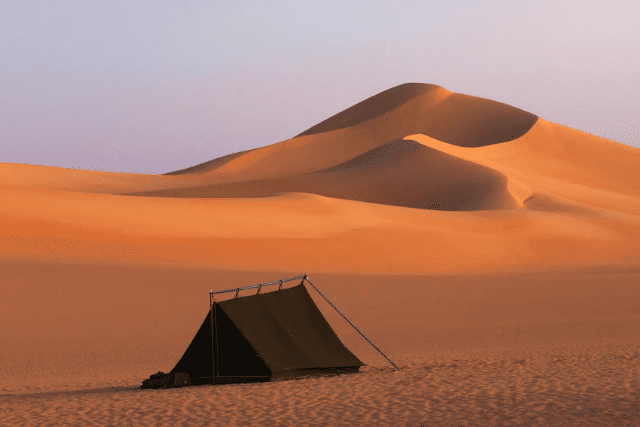
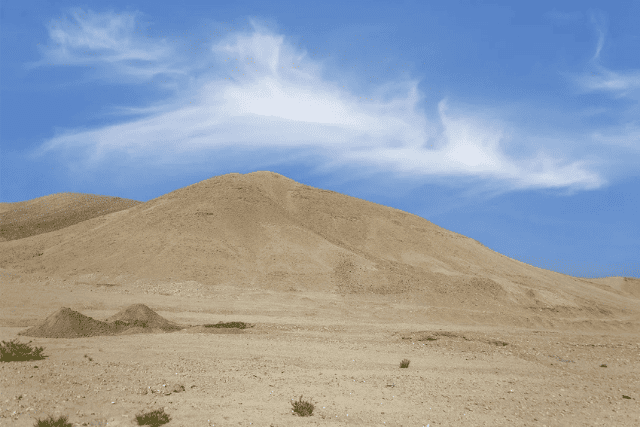
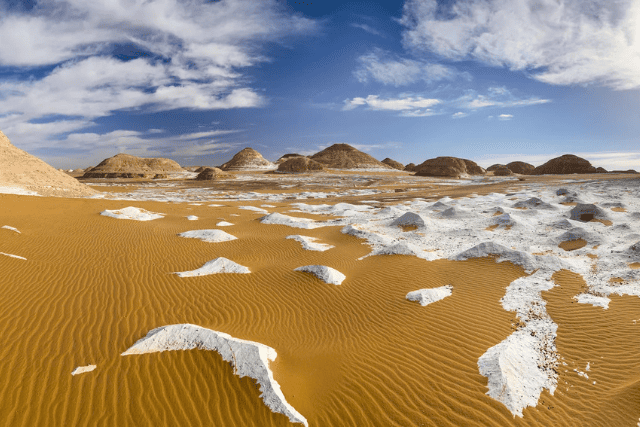
Standing alone on a dune at dawn—sand still cold beneath your boots, the sun just starting to paint the eastern sky orange and pink, nothing but silence in every direction—you realize why people have been drawn to deserts for thousands of years. These aren’t empty wastelands. They’re landscapes stripped down to essentials, where sky meets earth without anything cluttering the space between.
An Egypt desert safari offers more than just adventure tourism or photo opportunities for social media. It represents a mix of nature, adventure, and history that tells a different story of this ancient land. You’re following routes that Bedouin caravans traveled for centuries, camping near oases that appear in texts from Roman times, sleeping under the same constellations that guided medieval travelers.
The desert teaches patience. It rewards curiosity. It demands respect. And it offers experiences—watching a Bedouin grandmother demonstrate bread-making, spotting your first gazelle in the wild, understanding the geological forces that created these surreal landscapes, or simply sitting in silence as stars wheel overhead—that stick with you long after you’ve shaken the last sand from your boots.
These top 5 desert safari experiences in Egypt represent just the beginning. Every valley holds secrets, every oasis preserves stories, and every dune offers a different view. The question isn’t whether Egypt’s deserts deserve your attention alongside the pyramids and temples. The question is when you’ll finally stop reading about them and book that flight.
Ready to experience Egypt’s deserts firsthand? Book through licensed operators who prioritize safety and environmental sustainability. Your adventure awaits beyond the postcards, out where the sand meets the sky and the only thing between you and the horizon is possibility.