
The Enigma of the Western Desert
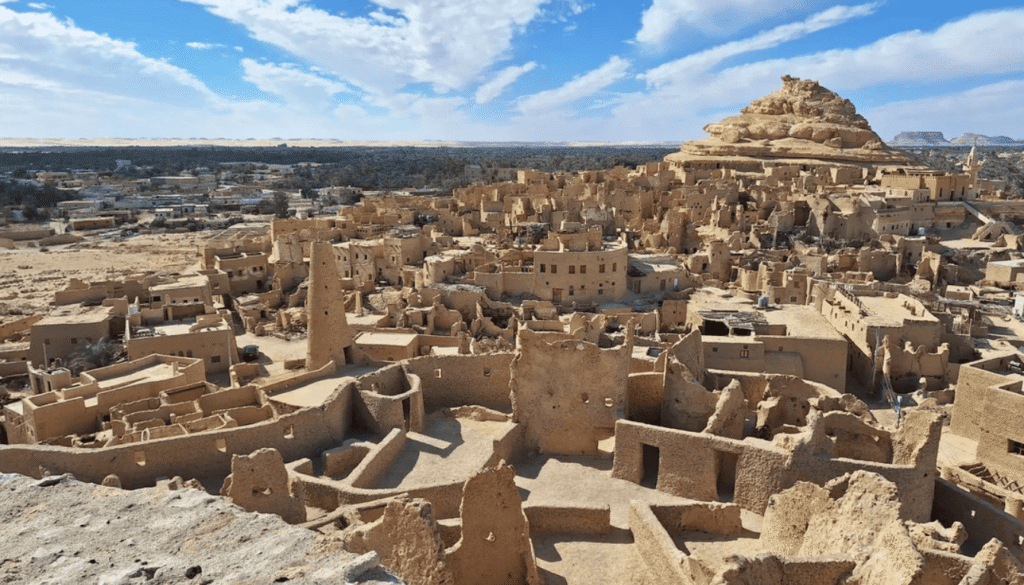
The Shali Fortress: The Heart of Siwa’s Ancient Heritage is a timeless symbol of Siwa Oasis history and culture. Located in the heart of the oasis, shali-fortress-siwa reflects ancient mudbrick architecture and Berber traditions. This iconic landmark tells the story of Siwa’s resilience, heritage, and unique desert charm, making it a must-visit destination for cultural travelers.
Picture this: you’ve been driving through endless stretches of golden sand dunes, watching the heat shimmer off the horizon, when suddenly the landscape transforms. Palm trees appear by the thousands, olive groves stretch as far as you can see, and crystalline springs bubble up from beneath the desert floor. This isn’t a mirage—it’s Siwa Oasis, Egypt’s most remote inhabited settlement and one of the country’s best-kept secrets.
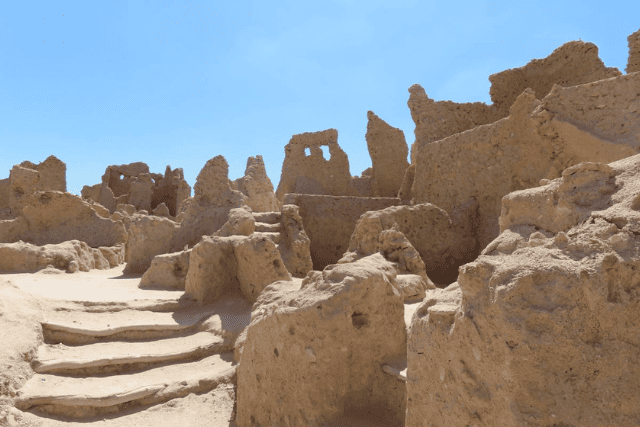
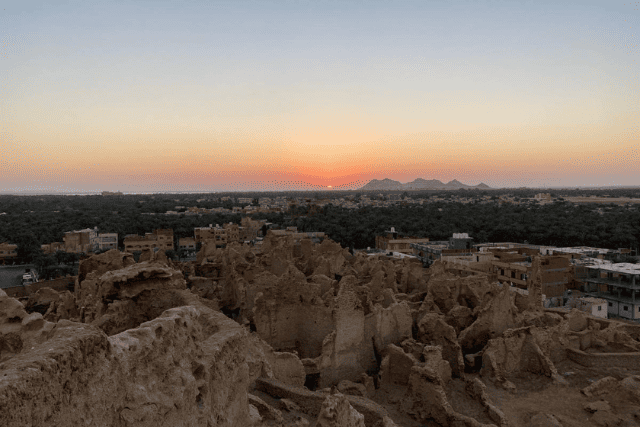
Sitting in this living time capsule, about 50 kilometers from the Libyan border and 560 kilometers west of Cairo, is a structure that stopped me in my tracks the first time I saw it. Rising from the center of town like a sand castle sculpted by time itself, the Shali Fortress dominates Siwa’s skyline with its weathered walls and crumbling towers. Built in 1203 AD, this medieval stronghold isn’t just another ancient ruin—it’s the beating heart of Siwa’s identity, a monument to resilience, and honestly, one of the most hauntingly beautiful places I’ve ever wandered through.
What makes Siwa Oasis attractions particularly special is the cultural context surrounding them. The people here are Amazigh (Berber), not ethnically Arab, and they speak Siwi—a Berber language that you won’t hear anywhere else in Egypt. This linguistic and cultural isolation has preserved traditions that disappeared from the rest of the country centuries ago. Walking through the narrow passages of Shali Fortress Egypt offers, you’re not just touring a historical site; you’re stepping into a world that operates on its own terms, following rhythms that predate modern Egypt by millennia.
History & Architecture: A Castle Built of Salt and Mud
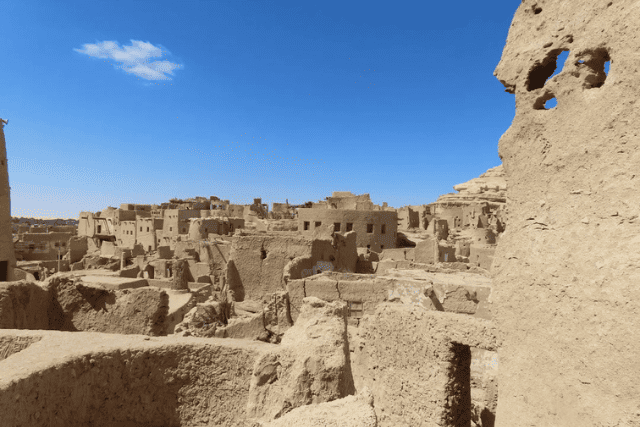
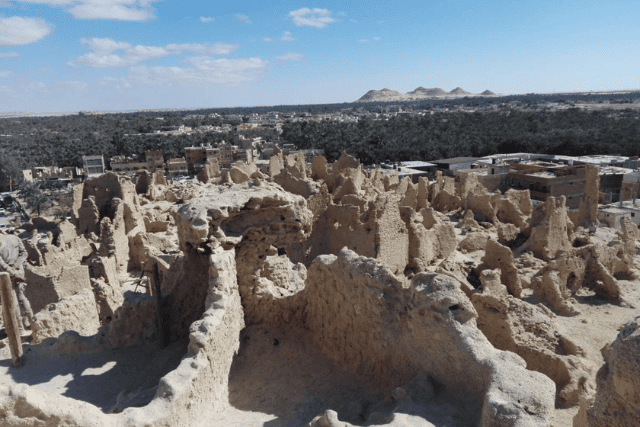
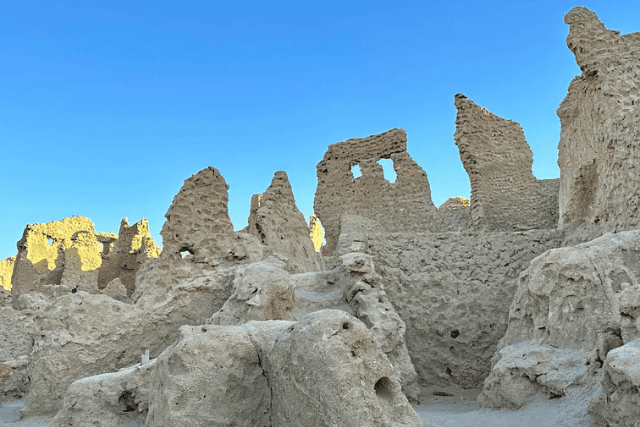
Let me tell you about Kershef, because understanding this material is key to understanding why Shali Fortress Siwa looks the way it does today. Imagine taking chunks of salt rock from the surrounding salt lakes, mixing them with clay from the oasis floor, adding some mud and a bit of local plant material, then molding this cocktail into massive building blocks. That’s Kershef. The medieval Siwans weren’t just being resourceful—they were engineering geniuses.
These salt-laden blocks created walls that could be up to a meter thick in places. During scorching summer days when temperatures could hit 50°C (122°F), the Kershef absorbed heat slowly, keeping interiors remarkably cool. At night, when the desert temperature plummeted, those same walls radiated warmth back into the living spaces. Natural air conditioning and heating, medieval style.
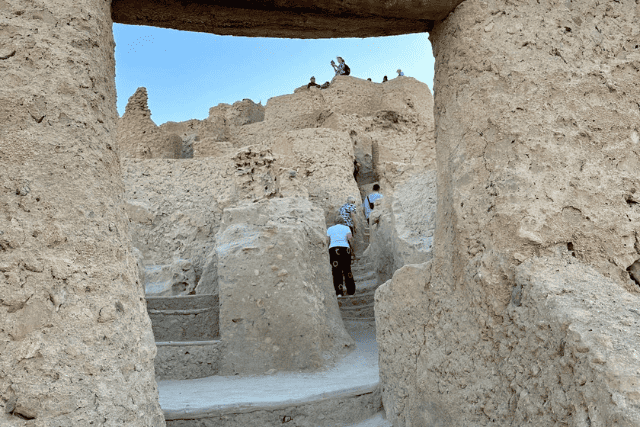
The original Shali Fortress wasn’t just one building—it was an entire fortified town. The structure rose four to five stories high in a deliberately confusing maze of narrow alleyways, dead ends, and tunnels. This wasn’t poor city planning; it was brilliant defensive architecture. When Bedouin raiders or desert marauders attacked (which happened regularly), defenders could lead invaders into dead ends, rain down projectiles from rooftop positions, and use their intimate knowledge of the labyrinth to their advantage. Families lived in small houses stacked vertically, connected by external staircases and passages that only locals could navigate confidently.
At its peak, around 1,000 families crowded into this vertical village. The walls weren’t just for defense—they defined the social structure. Living higher up meant higher social status. The ground floors served as storage and housed animals, while families occupied the upper levels. The very top floors, closest to the sky and furthest from the dust and noise below, belonged to the wealthiest families and the religious elite.
Then came 1926, and three days that changed everything. Heavy rain—unprecedented, Biblical-level rain—pounded Siwa Oasis for 72 consecutive hours. Remember that Kershef is essentially held together by salt? Well, salt dissolves in water. Rapidly. The fortress, which had stood for over seven centuries, began to literally melt. Walls sagged, upper floors collapsed, staircases crumbled, and entire sections liquefied into muddy streams that flowed down into the streets.
The aftermath must have been devastating. Can you imagine watching your home, your entire city, dissolve before your eyes? Most families evacuated to build new homes in the surrounding area using more conventional materials. Shali Fortress Siwa became a ghost town almost overnight, left to the elements and the slow work of further erosion.
For decades, the fortress stood as a romantic ruin—photogenic but deteriorating. Then, in 2018, the European Union stepped in with funding for a comprehensive restoration project. What’s remarkable about this restoration is the commitment to authenticity. Rather than using modern concrete or steel reinforcements, conservators are employing traditional Kershef techniques, consulting with elderly Siwans who remember how their grandparents built and maintained these structures. They’re not trying to rebuild the fortress as it was in 1203—that would be impossible and perhaps dishonest. Instead, they’re stabilizing what remains, documenting what’s been lost, and ensuring that future generations can experience this architectural marvel.
Top Things to See Inside Shali Fortress
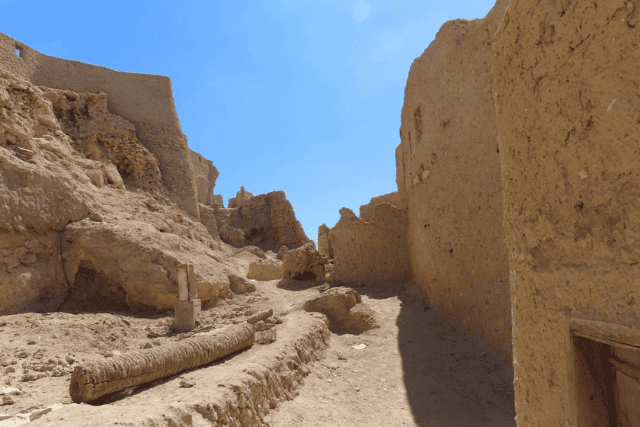
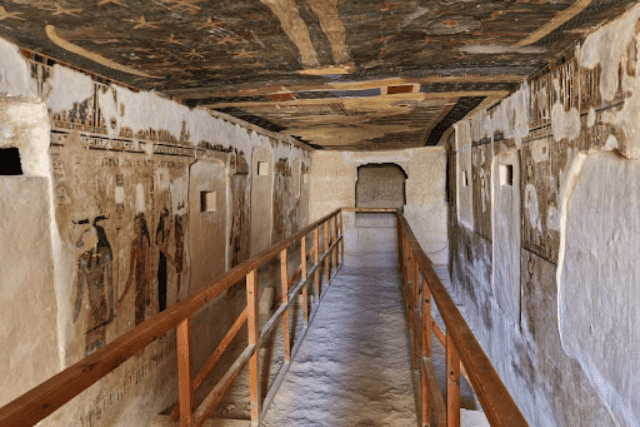
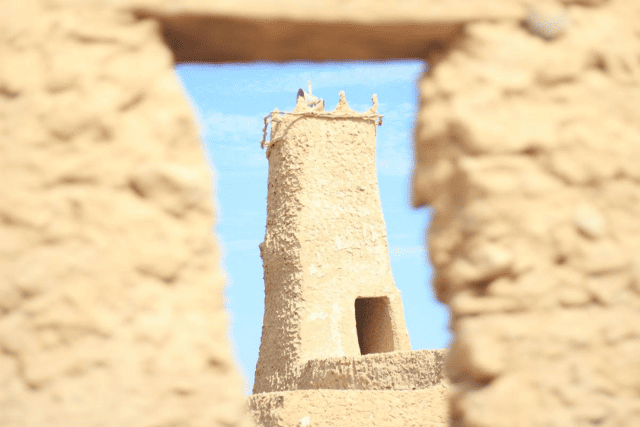
Walking through Shali Fortress feels like exploring a surrealist painting where architecture melts into geology. But within this dreamlike maze, certain spots deserve your full attention.
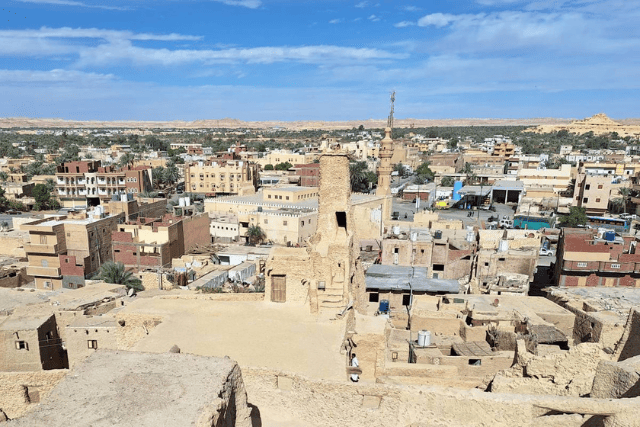
The Old Mosque (1203 AD) is where I always start my visits. It’s the oldest building still functioning within the fortress walls, and you’ll recognize it immediately by its distinctive chimney-shaped minaret—unlike anything you’ll see in the rest of Egypt. The minaret rises like a organic tower, its edges softened by centuries of exposure. What gets me every time is that this mosque has hosted Friday prayers for over 800 years. Think about that. While European cathedrals were still being built, while the Mongols were sweeping across Asia, while the Aztec Empire was rising in Central America, people were gathering here for worship. They still do. On Fridays, you can hear the call to prayer echoing through the ruins, and for a moment, the centuries collapse.
The prayer hall itself is simple—rough Kershef walls, a few carpets, wooden beams supporting what remains of the roof. There’s no elaborate decoration, no gold leaf or intricate calligraphy. The beauty here is in the honesty of the materials and the weight of history.
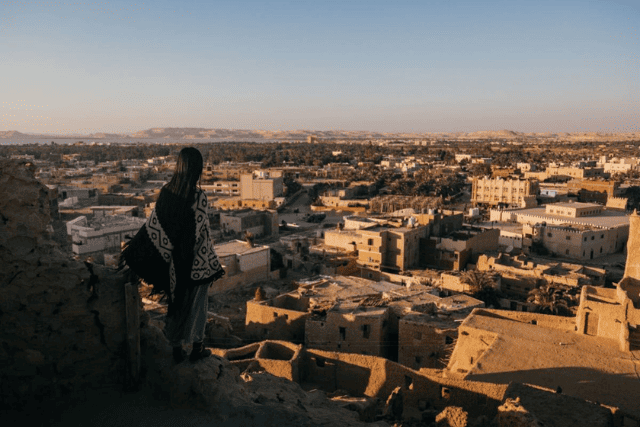
The panoramic viewpoints are non-negotiable. Yes, the climb takes about 15 minutes, and yes, you’ll be scrambling over some loose stones and navigating narrow passages where you’ll need to watch your footing. But the view from the summit makes every careful step worthwhile. You get a full 360-degree perspective on Siwa Oasis attractions spread out below you.
Looking north, you’ll spot the Mountain of the Dead (Gabal al-Mawta), its limestone cliffs honeycombed with ancient tombs. To the south and east, the oasis unfolds in impossible shades of green—date palms, olive groves, vegetable gardens—all fed by underground springs. Beyond the cultivated areas, the Great Sand Sea begins its march toward Libya, dunes stretching to the horizon in waves of amber and gold. At sunset, when I last made this climb, the light turned the Kershef walls pink and orange, and the palm groves below went almost black against the glowing desert beyond. My camera couldn’t capture it. Some moments you just have to file away in memory.
The pottery school and bazaar area represents Siwa’s living culture within these ancient walls. The pottery school occupies one of the better-preserved sections, and you can recognize it by its beautiful doorways—arched openings framed by Kershef that’s been smoothed and shaped more carefully than in the residential areas. Sometimes you’ll see students working on traditional Siwan pottery designs, and if you’re lucky (and respectful), you might be invited to watch.
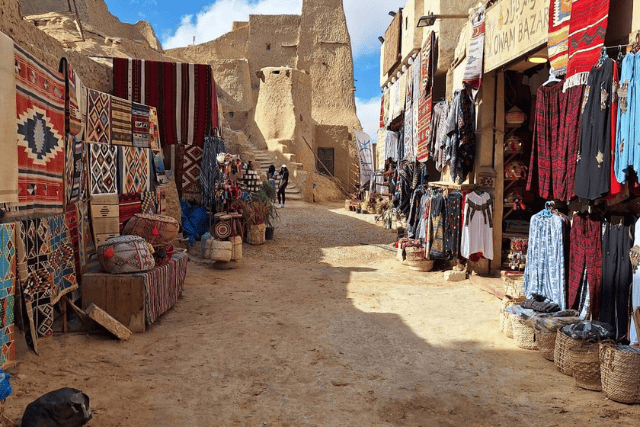
The small bazaar near one of the fortress entrances is deliberately unassuming—just a few vendors selling genuinely local items. You’ll find salt lamps carved from the same salt formations used in Kershef, traditional Siwan scarves and shawls with distinctive embroidery patterns, handmade silver jewelry using designs specific to this oasis, and date products from local groves. The prices here tend to be more reasonable than in the main town market because most tourists don’t make it this far into the fortress.
One thing that fascinates me about Shali Fortress Egypt is the curiosities visible in the walls themselves. As Kershef erodes, it reveals its composition. You can see animal bones embedded in the walls—goats, sheep, possibly donkeys—added for structural reinforcement. Chunks of pure salt crystal protrude from the mud-brick matrix, catching sunlight and sparkling like jewels. In some sections, you can spot fragments of pottery and even old tools that got mixed into the building material centuries ago. Each wall is essentially a time capsule, documenting daily life through the materials people had at hand.
Pop culture connection: If you’re a gamer, you might get an extra kick from knowing that Shali Fortress served as a filming location for Assassin’s Creed: Origins. The development team at Ubisoft did extensive research to recreate ancient Egyptian environments, and they chose Siwa as a key location in the game. Walking through the real fortress, you’ll recognize perspectives and architectural details from the game—though the real place is simultaneously more ruined and more magical than any digital recreation could capture.
Visitor Logistics: Planning Your Trip
Let’s get practical, because while Shali Fortress Siwa is extraordinary, getting there and navigating the visit requires some planning.
Entrance fee: Here’s the best part—entry to the fortress is completely free. No tickets, no gatekeepers, no official tour required. You can wander at your own pace, return multiple times, and explore without worrying about closing times or admission costs. That said, if someone offers to guide you through the maze (especially local kids who know every passage), consider accepting and offering a tip. Their knowledge transforms the experience.
Opening hours: Technically, Shali Fortress is accessible 24 hours a day. It’s not gated or locked because it’s partially integrated with the living town. However, I strongly recommend timing your visit for the golden hour around sunset. The light during this period is extraordinary—warm and honey-colored, perfect for photography and for experiencing the fortress at its most atmospheric. Early morning can also be beautiful, especially in summer when midday heat makes climbing uncomfortable. If you visit at night, bring a good flashlight and watch your footing carefully, as the narrow passages and crumbling stairs can be treacherous in darkness.
Getting to Siwa Oasis: Let’s start with the big journey. From Cairo, you’re looking at an 8 to 10-hour bus ride covering about 800 kilometers. The West Delta Bus Company operates the most reliable service, with tickets costing around 1,300 Egyptian pounds (approximately $16.50 USD at current exchange rates, though this fluctuates). Buses typically depart Cairo in the evening, arriving in Siwa early morning, or leave Cairo early morning for an afternoon arrival.
The journey itself is an experience. The first few hours take you through the Delta region and past Alexandria, then you turn decisively west into the Western Desert. For long stretches, there’s nothing but sand, rock, and the occasional military checkpoint. Bring snacks, water, and entertainment. The bus does make rest stops, but they’re infrequent and basic.
Some travelers opt to fly to Marsa Matruh (which has a small airport) and then take a shared taxi or bus for the final three-hour stretch to Siwa. This cuts travel time but increases cost significantly.
Local transport within Siwa: Once you’re in the oasis, getting around is refreshingly simple. The entire town is small enough to walk, but distances between major attractions can be tiring in the desert heat.
Bicycles are my favorite option for exploring Siwa Oasis attractions. You can rent a basic Chinese bike for about 150 Egyptian pounds per day from shops near the main square. The roads are mostly flat, traffic is minimal, and cycling gives you the freedom to stop whenever something catches your eye—which will happen constantly. Plus, there’s something almost meditative about pedaling through palm groves with only the sound of wind in the leaves and the occasional donkey cart passing by.
Tuk-tuks (motorized three-wheelers) are ubiquitous and negotiate rates based on distance and number of passengers. For a short ride within town, expect to pay 50-100 Egyptian pounds. For a day-long tour hitting multiple sites around the oasis, you might negotiate 600-800 pounds, depending on your bargaining skills and group size. Most tuk-tuk drivers speak limited English but are enthusiastic about showing off their hometown.
Some visitors hire a donkey cart, which costs less than a tuk-tuk and offers a more traditional experience, though it’s slower and less comfortable over longer distances.
Where to stay: Accommodation choices range from budget to surprisingly luxurious. The Albabenshal Hotel sits right next to Shali Fortress, offering basic but clean rooms with traditional architecture and rooftop views of the fortress. It’s perfect if you want to experience the fortress at different times of day without walking far. Expect to pay around $25-40 per night for a simple room.
For a mid-range option with more amenities, several guesthouses around town offer comfortable rooms, sometimes with air conditioning (crucial in summer), hot water, and breakfast included, typically running $50-80 per night.
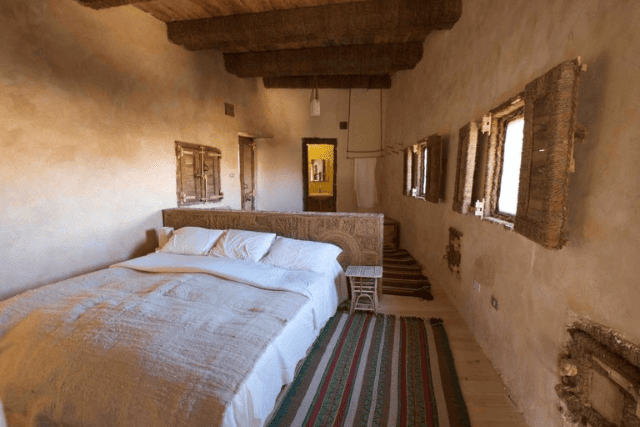
At the luxury end, Adrère Amellal is legendary—an eco-lodge built entirely from traditional materials without electricity (candles and oil lamps provide lighting), offering a complete immersion in pre-modern Siwan life but with exceptional comfort, gourmet meals, and stunning design. Expect to pay $300+ per night, but it’s an experience that travel magazines regularly include in “best hotels in the world” lists.
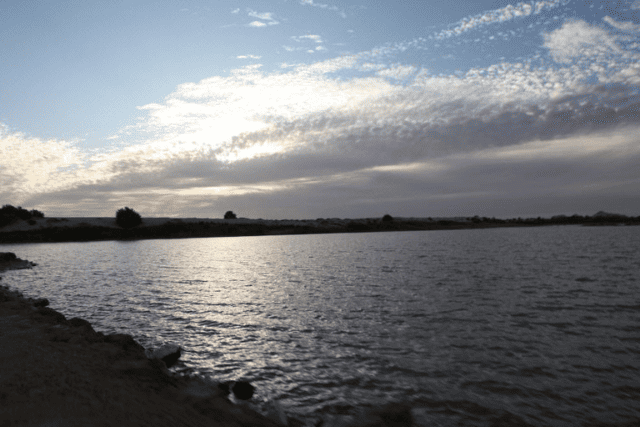
Beyond the Fortress: Must-Visit Nearby Attractions
While Shali Fortress is undoubtedly the crown jewel, Siwa Oasis attractions extend well beyond the fortress walls. Spending only an hour at Shali and leaving would be like visiting Paris, seeing the Eiffel Tower, and immediately heading to the airport.
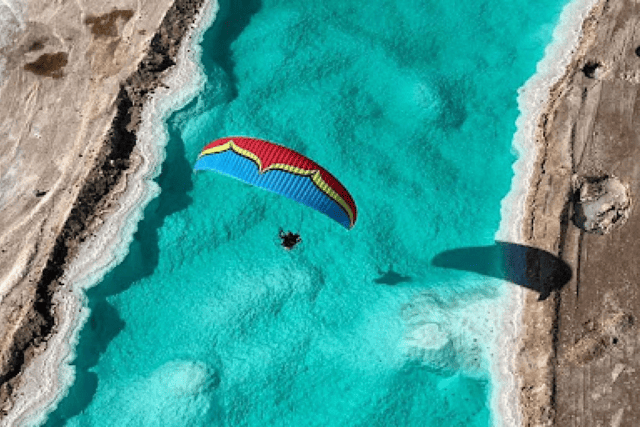
Siwa Salt Lakes are genuinely mind-blowing if you’ve never experienced high-salinity water. The main lakes used for tourism have salinity levels around 90%—comparable to the Dead Sea. The water is so dense with dissolved minerals that you literally cannot sink. You just bob on the surface like a cork, and if you try to dive down, your body pops back up. It feels absolutely surreal the first time you experience it.
The lakes themselves are beautiful—brilliant turquoise against the surrounding desert, fed by underground springs that keep them from evaporating completely. Many locals claim therapeutic benefits from the mineral-rich waters, particularly for skin conditions and joint pain. Whether or not you believe in the healing properties, floating on your back in the middle of the desert, staring up at a perfectly blue sky, is profound relaxation.
Practical notes: Wear old clothes or swimwear you don’t care about, as the salt stains badly. Don’t shave immediately before visiting—the salt will sting any small cuts. And definitely don’t get this water in your eyes; it burns intensely.
Temple of the Oracle holds massive historical significance. This is where Alexander the Great made his famous pilgrimage in 331 BCE to consult the oracle and seek confirmation that he was the son of Zeus-Ammon (the Greek interpretation of the Egyptian god Amun). According to ancient sources, the oracle confirmed his divine parentage, which Alexander used to legitimize his rule over Egypt and his broader imperial ambitions.
The temple itself, perched on a rocky outcrop overlooking the oasis, is smaller and more ruined than many visitors expect. Much of what you see are foundation walls and reconstructed sections. But the location is spectacular, and standing where Alexander stood—even if the exact chamber is debated by archaeologists—gives you chills if you have any sense of history.
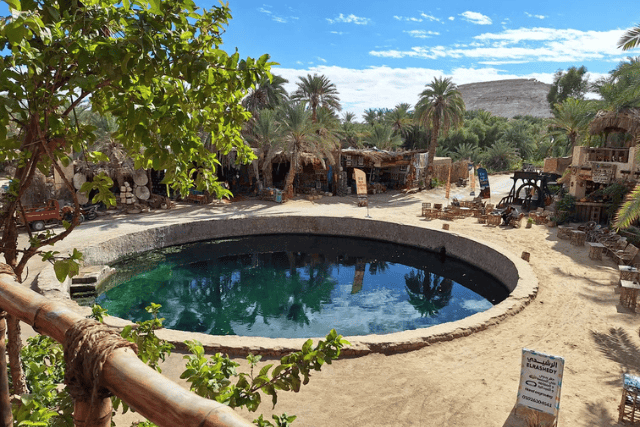
Cleopatra’s Spring (Ain Guba) is a natural spring that bubbles up into a large stone pool, creating a swimming hole that’s been used for centuries. Despite the romantic name, there’s no historical evidence that Cleopatra ever bathed here—but the name has stuck, and honestly, the crystal-clear water is inviting regardless of its royal associations. The water maintains a constant temperature year-round, pleasantly warm in winter and refreshingly cool by contrast in summer. Local families use the spring, so dress modestly if you decide to swim.
Gabal al-Mawta (Mountain of the Dead) is a limestone ridge riddled with tombs dating from the 26th Dynasty and Greco-Roman periods. The most famous tombs—those of Si-Amun, Mesu-Isis, and Crocodile—feature colorful wall paintings in relatively good condition. These aren’t grand royal tombs like you’ll find in Luxor; they belonged to wealthy local officials and merchants. But they’re fascinating because they show the artistic and religious synthesis that happened in this remote outpost where Egyptian, Greek, and local Berber cultures blended.
The climb to the tombs is steep but short. Most tombs are locked, but the guardian (who lives nearby) will open them for a small tip. He carries a battery-powered light to illuminate the paintings, though bringing your own flashlight helps. Photography is technically prohibited inside the tombs but often allowed for a modest “fee” negotiated with the guardian.
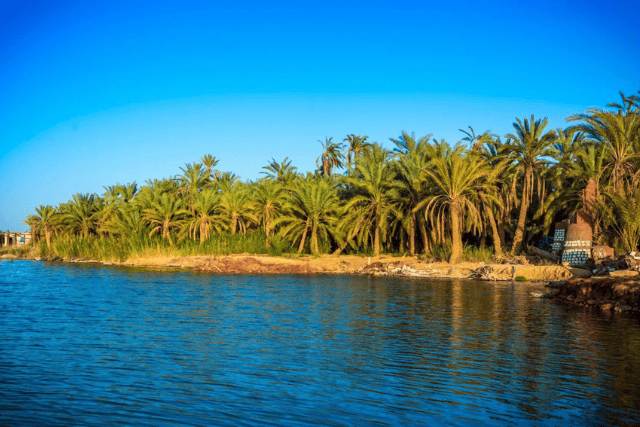
Fatnas Island isn’t really an island—it’s a palm-covered peninsula jutting into one of the salt lakes. But the name has stuck, and the location has earned its reputation as the premier spot in Siwa for watching the sunset. Small tea houses and cafes on the island serve mint tea and sometimes simple snacks while you watch the sun drop behind the dunes, the sky cycling through impossible colors—pink, orange, purple, deep blue.
Every guidebook mentions Fatnas Island for sunset, which means it can get relatively crowded (by Siwa standards—you might encounter 20-30 other people). But the crowds are part of the charm. There’s an informal social atmosphere, with travelers from around the world sharing tables, comparing experiences, and watching the day end together.
“Discovering the Beauty of Siwa Oasis: Egypt’s Hidden Desert Paradise.”
Frequently Asked Questions
What does “Shali” mean?
The name comes from the Amazigh (Berber) Siwi language and translates to “fortified city” or simply “city.” In the Siwan linguistic context, calling it “Shali” was somewhat redundant—like saying “city city”—because for centuries, this fortress was the city. Everything that mattered happened within these walls. Only after the 1926 disaster and subsequent abandonment did the surrounding modern town grow into significance, but the name Shali persisted for the ruins that still dominate the skyline.
Why did Shali Fortress melt?
This question gets to the heart of why Shali Fortress Egypt is so unique architecturally. The building material—Kershef—relies heavily on salt as a binding agent. Salt is hydroscopic, meaning it attracts and absorbs water. In Siwa’s typically arid climate, this property wasn’t a problem. The oasis receives minimal annual rainfall, and the salt in Kershef actually helped regulate humidity inside buildings.
But when three consecutive days of heavy rain hit in 1926—a weather event unprecedented in local memory and still anomalous by regional standards—the salt began to dissolve. As the salt washed out of the Kershef blocks, the clay and mud matrix lost cohesion. Walls that had stood firm for over 700 years began to slump and flow like thick mud. Upper floors, which were heavier and more numerous than lower levels due to the fortress’s tiered design, collapsed onto the structures below, accelerating the destruction.
Essentially, the fortress’s greatest strength—its unique adaptive material—became its weakness when confronted with an environmental condition it was never designed to withstand.
Can you visit Siwa without a permit?
As of 2023, foreign tourists no longer need special travel permits to visit Siwa Oasis. This is a significant change from earlier years when security concerns related to the nearby Libyan border meant travelers had to apply for permits through police or military authorities, often requiring days of bureaucratic processing.
Now, you can book a bus ticket and go, just like any domestic destination. You will pass through routine security checkpoints on the highway—standard across Egypt—where soldiers or police might board the bus briefly to check IDs and sometimes search luggage. These checks are usually quick and professional. Have your passport accessible, smile politely, and the checkpoint will be behind you in minutes.
The permit elimination has made Siwa much more accessible for independent travelers, though the long journey and remote location still keep tourist numbers manageable.
How long should I spend in Siwa?
The minimum to experience Siwa Oasis attractions properly is three days and two nights. Day one for arrival and exploring Shali Fortress and the central town. Day two for visiting outlying sites—the salt lakes, Temple of the Oracle, Mountain of the Dead. Day three for a morning activity (maybe returning to the fortress for different light or visiting Cleopatra’s Spring) before departing.
More time is better if you have it. Five to seven days allows you to truly settle into Siwa’s pace, make deeper connections with the place and people, perhaps arrange a camping trip into the desert, and experience the oasis at different times of day without rushing.
Is it worth it?
Absolutely. Shali Fortress alone justifies the journey—it’s one of those rare places where architectural uniqueness, historical depth, and visual drama combine so completely that you feel privileged to witness it. Add in the broader constellation of Siwa Oasis attractions, the distinctive culture, the physical beauty of the landscape, and the sense of having truly escaped the modern world, and Siwa becomes one of Egypt’s most rewarding destinations.
The journey is long and the comforts are simple, but that’s part of what makes arriving feel like such an achievement. When you’re floating in a salt lake, watching sunset gild the ruins of an ancient fortress, or cycling through palm groves where almost nothing has changed in centuries, the 10-hour bus ride fades into insignificance.
You’ll return home with stories that most travelers never get to tell and memories of a place that exists slightly outside of normal time—where medieval fortresses melt like sandcastles, where ancient traditions continue unbroken, and where the desert reminds you how small and temporary human endeavors truly are, even as it showcases human resilience and ingenuity at their finest.
“Tap here and enjoy with this tour (Hurghada/Marsa Alam/Siwa) from Cairo + Hotel Pickup.”
Pingback: Blue Hole Dahab: The World’s Most Famous Dive Site - Discover Egypt Now