
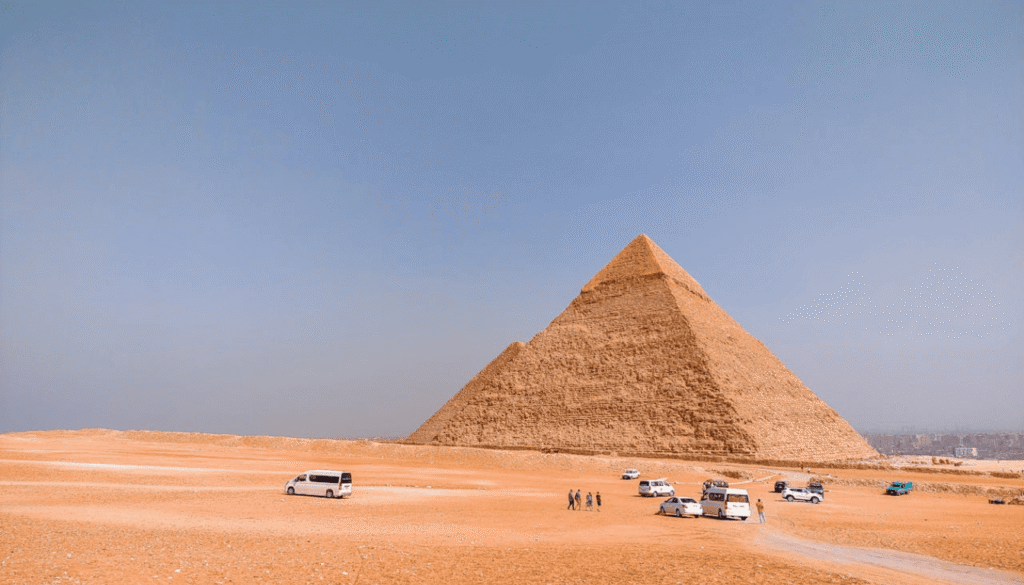
Why 2026 Is the “Golden Year” for Egypt Travel?
Egypt isn’t just a destination—it’s an unforgettable journey through time and culture. If you’re searching for the ultimate egypt-travel-reasons, you’ll discover a perfect mix of ancient wonders, vibrant cities, and breathtaking nature. From iconic landmarks to unique adventures, Egypt offers experiences you won’t find anywhere else. Here are the best 10 reasons why Egypt should be your next travel destination.
There’s a moment when you stand at the foot of the Great Pyramid of Khufu — that instant when the scale of it actually hits you — and you realize no photograph, no documentary, and no textbook ever came close. That feeling alone would be enough reason to make Egypt your next travel destination. But in 2026, there are at least ten very compelling reasons to finally book that flight.
Egypt has landed on CNN’s list of dream destinations, and travel editors worldwide are calling it one of the best-value trips on earth right now. The Egyptian pound has depreciated significantly against major currencies, which means your dollars, euros, or pounds stretch further than they have in years. Luxury five-star Nile-view hotels, private archaeologist-led tours, and high-end dining experiences that once felt out of reach are suddenly very much within budget.
Then there’s the Grand Egyptian Museum (GEM) — the largest archaeological museum in the world — Which was opened in November 2025. For the first time in history, the complete Tutankhamun collection will be on public display in a single, purpose-built home near the Giza Plateau. That alone makes 2026 a historic year to travel to Egypt. Let’s walk through ten reasons this ancient land should be at the top of your list.
“Tap here and learn more about A Complete Guide to Egypt: History, Culture, and Modern Life.”
Reason 1: The Last Standing Ancient Wonder of the World
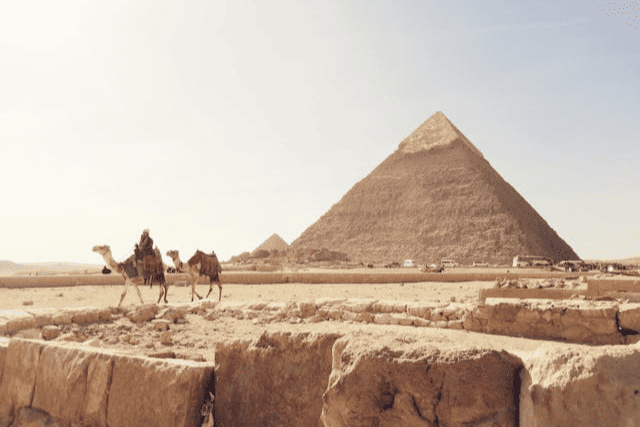
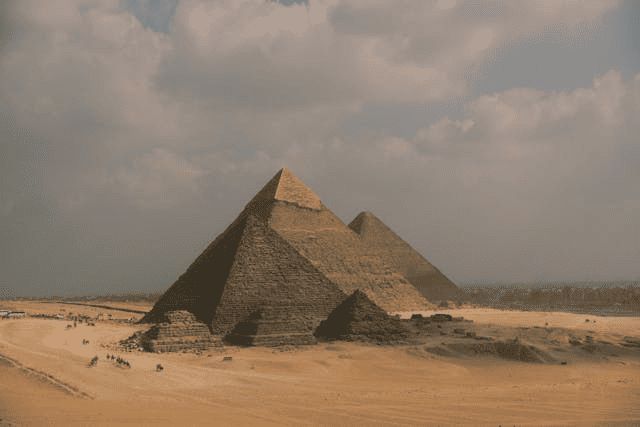
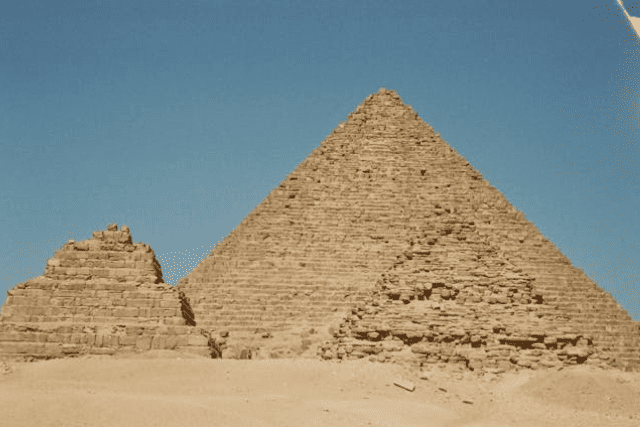
Of the original Seven Wonders of the Ancient World, only one still stands: the Great Pyramid of Khufu at the Giza Plateau. Built approximately 4,600 years ago using over 2.3 million stone blocks, it held the record as the world’s tallest man-made structure for nearly four millennia. No amount of reading prepares you for what you’ll feel in its presence.
The Giza Plateau also hosts the Pyramid of Khafre, the Pyramid of Menkaure, and the iconic Great Sphinx — a limestone guardian whose origins still spark debate among historians. Visiting at sunrise, before the tourist crowds arrive, is an experience that stays with you for the rest of your life. Planning your Egypt travel around a quiet Giza morning is arguably the single best decision you can make.
“Tap here and book now Pyramids of Giza: Guided Tour + Quad or Camel Ride + Transfers.”
Reason 2: Luxor — The World’s Greatest Open-Air Museum
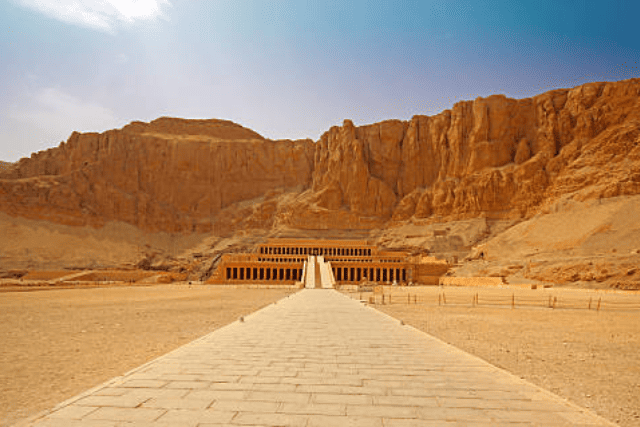
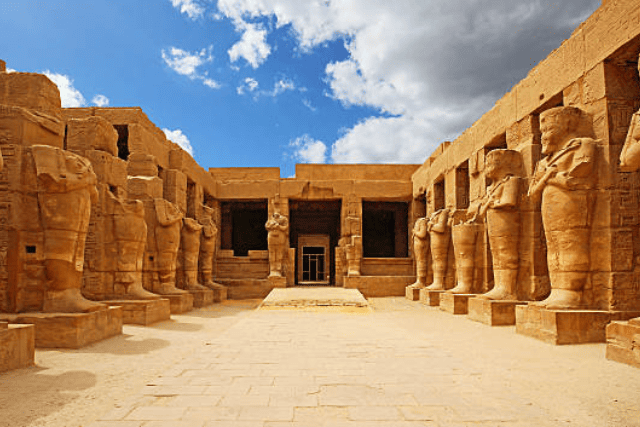
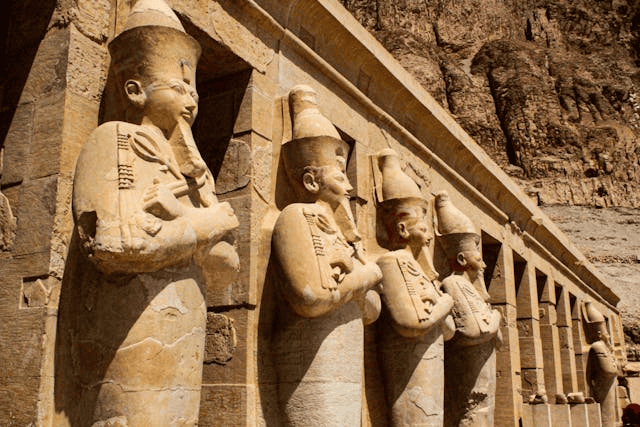
If Giza is Egypt’s headline act, Luxor is its hidden masterpiece. Located about 670 km south of Cairo, this city sits on the ancient site of Thebes, once the most powerful capital in the ancient world. Egyptologists often call it the world’s greatest open-air museum, and that’s not an exaggeration.
Valley of the Kings
Carved into the desert cliffs on the west bank of the Nile, the Valley of the Kings contains over 60 decorated royal tombs spanning the New Kingdom period (roughly 1550–1070 BCE). Walking into Tutankhamun’s modest but breathtakingly ornate tomb, or standing in the enormous painted corridors of Ramesses VI’s burial chamber, puts you in direct contact with human ambition on a scale that’s hard to process.
The Temple of Karnak
On the east bank, the Temple of Karnak is the second-largest religious complex ever built, covering over 100 hectares. It was constructed, expanded, and modified over more than 1,500 years by successive pharaohs, each leaving their stamp. The Great Hypostyle Hall alone — with its 134 colossal papyrus columns — is one of the most awe-inspiring spaces ever created by human hands. Your Egypt travel guide would be incomplete without dedicating a full day here.
Reason 3: Abu Simbel — A Monument to Human Stubbornness
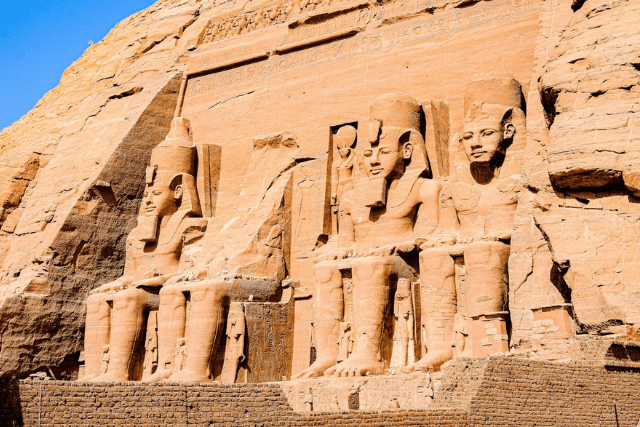
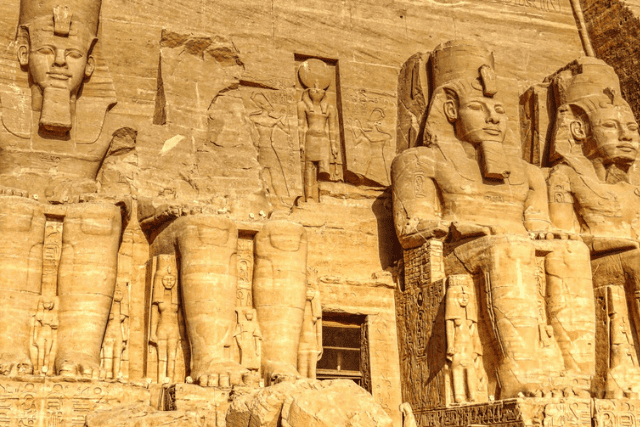
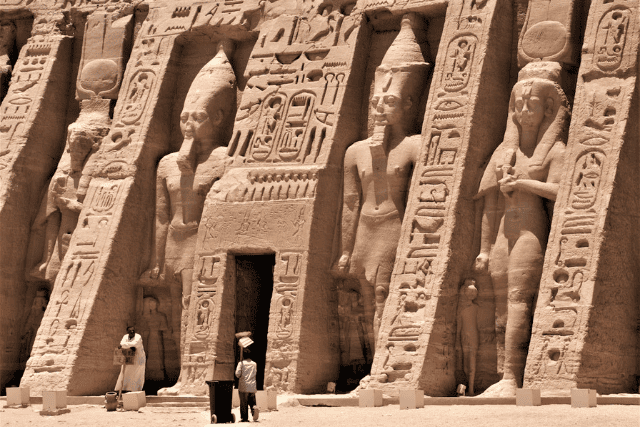
Deep in southern Egypt, just 50 km from the Sudanese border, two colossal rock temples stand guard over Lake Nasser. These are the temples of Abu Simbel, commissioned by Ramesses II in the 13th century BCE. The facade of the Great Temple features four seated statues of Ramesses, each over 20 meters tall, carved directly into the sandstone cliff.
What makes Abu Simbel especially remarkable is its second life. When the Aswan High Dam was built in the 1960s and threatened to submerge the temples beneath the rising waters of Lake Nasser, an international rescue operation moved them stone by stone to their current elevated site. It remains one of the greatest engineering feats of the 20th century. If you’re traveling to Egypt and can only make one overnight trip from Aswan, this is it.
Reason 4: Nile River Cruising — Three Ways to Do It
Traveling along the Nile is not just a logistical choice; it’s an experience unto itself. The river has been the lifeblood of Egyptian civilization for thousands of years, and gliding along it gives you a perspective that no bus or car tour can replicate. Depending on your budget and travel style, you have three main options.
Felucca: The traditional wooden sailboat of Egypt. Renting a felucca for a few hours between Aswan’s islands is cheap, peaceful, and genuinely timeless. Don’t expect air conditioning — do expect magic.
Luxury Cruise Ship: The floating five-star hotel option. Week-long Nile cruises between Luxor and Aswan stop at all the major temples and include guided tours, gourmet meals, and onboard entertainment. Prices have dropped considerably due to the current exchange rate advantage.
Dahabiya: For the traveler who wants it all — intimacy and comfort — the wind-powered Dahabiya is a traditional wooden vessel updated for modern luxury. Smaller, slower, and more exclusive than standard cruise ships, Dahabiyas offer a proper old-world river journey with a maximum of 12 to 20 passengers.
Reason 5: The Red Sea — One of the World’s Top Diving Destinations
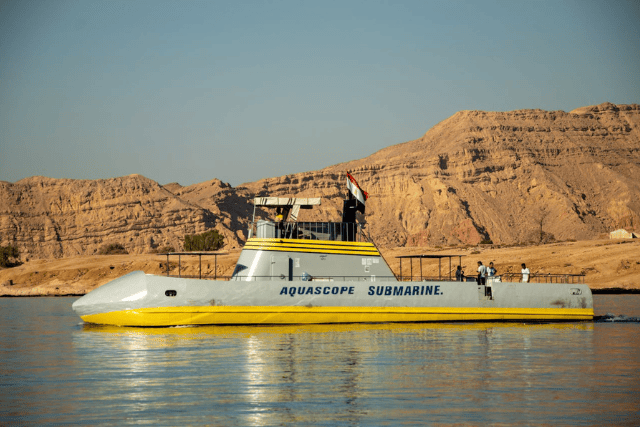
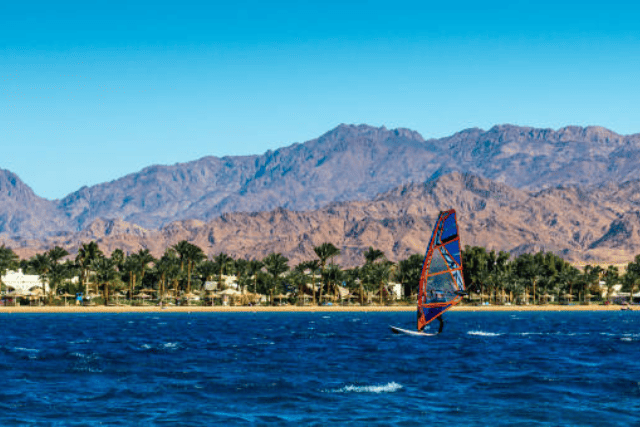
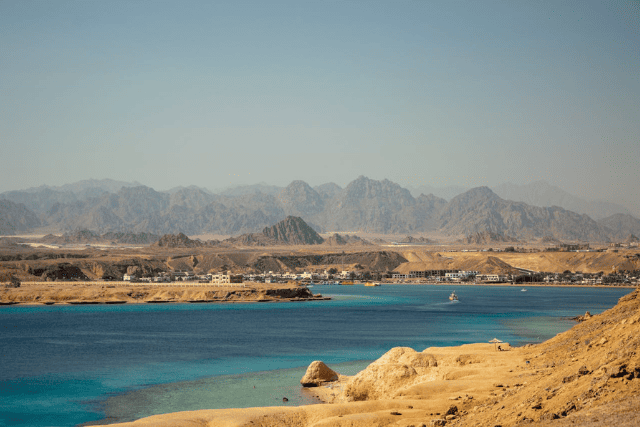
Egypt’s coastline along the Red Sea is a world-class underwater playground that consistently ranks among the globe’s top ten diving destinations. The water is warm, visibility is exceptional, and the marine biodiversity is extraordinary. Whether you’re a certified diver or a snorkeling beginner, this stretch of coast will leave you speechless.
Sharm el-Sheikh: Home to the SS Thistlegorm, a British WWII merchant vessel sunk in 1941 and now rated by many divers as one of the top wreck dives on earth. The ship rests in about 30 meters of water and contains trucks, motorcycles, aircraft parts, and even railway cars, all perfectly preserved by the saltwater environment.
Dahab: A laid-back desert town with one of the most famous dive sites in the world: the Blue Hole. This 100-meter-deep underwater sinkhole is a magnet for freedivers and advanced divers. Dahab also happens to be an outstanding place for beginners — the town is lined with dive centers offering PADI courses at very reasonable prices.
“Tap here and book now Sharm El Sheikh White Island + transfers + boat trip + diving + lunch.”
Reason 6: The Western Desert — Egypt’s Surreal Other World
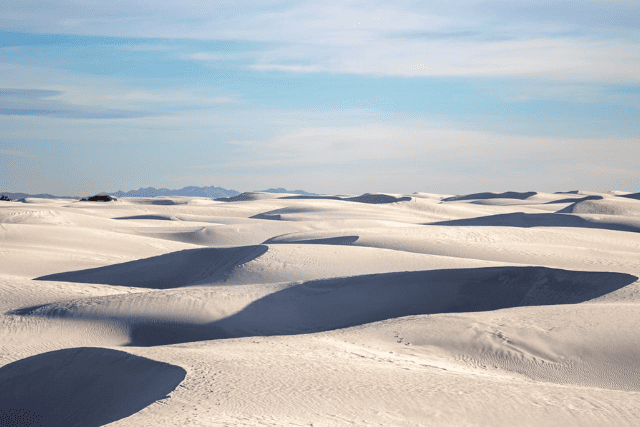
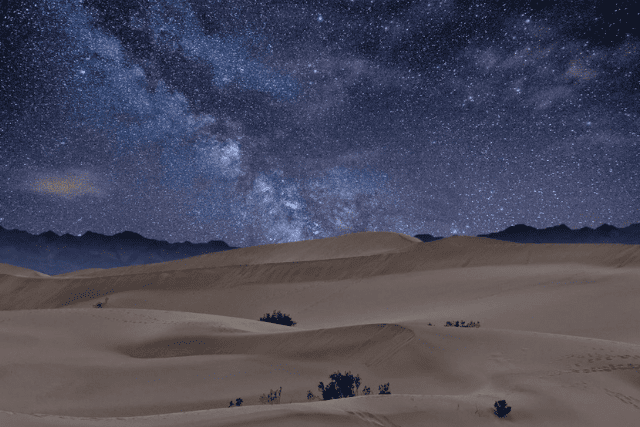
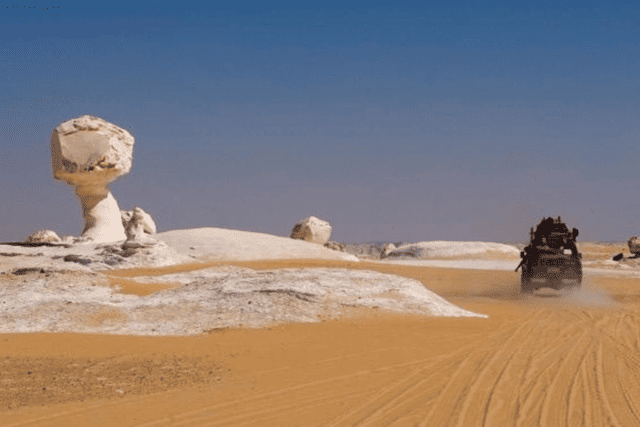
Most Egypt travel guides focus almost entirely on the Nile Valley. But if you venture west into the Sahara, you’ll find a landscape so alien and beautiful it barely seems real. The Western Desert is home to two experiences that have no equivalent anywhere on earth.
The White Desert
Formations of chalk-white limestone eroded by millennia of wind into surreal mushroom shapes and giant chalk monoliths rise from the golden sand like something out of a science fiction film. Camping overnight in the White Desert under a sky thick with stars is the kind of travel experience people spend years trying to explain to friends back home.
Siwa Oasis
On the Libyan border, Siwa is a world apart. This remote oasis is home to the Berber Siwi people, whose language and traditions remain largely intact. The landscape features turquoise salt lakes, ancient mud-brick ruins, and thousands of date palms. Siwa is also increasingly known for therapeutic tourism — its natural hot springs and mineral-rich mud baths are believed to benefit respiratory and skin conditions, drawing visitors seeking health and relaxation alongside cultural discovery.
Reason 7: Egyptian Food — The Underrated Cuisine the World Is Finally Discovering
Egyptian food has always been extraordinary, but it’s only recently getting the international recognition it deserves. This is a cuisine built on bold spices, ancient grains, and street food traditions that have barely changed in centuries.
Koshary: The unofficial national dish and Egypt’s ultimate comfort food. A layered bowl of rice, lentils, chickpeas, macaroni, crispy fried onions, spiced tomato sauce, and garlic vinegar. It costs almost nothing, appears on every street corner, and is utterly addictive.
Ta’ameya: Egypt’s version of falafel — but made from fava beans instead of chickpeas, which gives it a creamier, earthier flavor. Eaten stuffed into fresh bread with tahini and pickled vegetables for breakfast, it’s one of the greatest morning meals in the world.
Feteer Meshaltet: Often described as Egyptian pizza, Feteer is a multi-layered flaky pastry made with clarified butter. It can be served savory (with cheese or minced meat) or sweet (with honey and cream). It’s extraordinary either way, and finding a skilled Feteer maker working his dough is a spectacle in itself.
Reason 8: Hospitality That Genuinely Changes You
Egyptian hospitality is not a cliché — it’s a cultural institution. When an Egyptian invites you for tea, they mean it. Refusing is mildly offensive. Accepting means you’ll likely be kept for an hour, introduced to family members, and sent away with snacks.
The ritual of Egyptian tea (black tea brewed strong and sweet, often with fresh mint) marks every significant social interaction. It is offered to guests, to strangers, to anyone who lingers long enough. This culture of radical generosity extends to how Egyptians treat tourists — you will rarely feel unwelcome, and the warmth is almost always genuine.
For travelers who often feel like outsiders in tourist destinations, Egypt has an unusual way of making you feel like a guest rather than a customer. That distinction matters more than you might expect.
Reason 9: Shopping for Things That Actually Mean Something
Egypt is not a place for generic souvenir shops — or rather, it doesn’t have to be. Beneath the tourist-trap papyrus paintings and plastic Sphinx figurines, there’s a layer of genuine craftsmanship worth seeking out.
Hand-carved alabaster in Luxor: The workshops near the Valley of the Kings produce vases, canopic jars, and figurines carved from genuine Egyptian alabaster. The translucent, honey-colored stone is beautiful, and the craftsmanship is remarkable. Buy directly from the workshop families, not from hotel gift shops.
Personalized cartouches: A cartouche is the oval hieroglyphic frame that ancient Egyptians used to enclose a pharaoh’s name. Goldsmiths in Cairo’s Khan El-Khalili bazaar will engrave your name in hieroglyphics onto a cartouche pendant in gold or silver while you wait. It’s one of the most personal and historically interesting souvenirs you can bring home.
Spices from the souks: The spice markets of Aswan and Cairo are stocked with cumin, dried hibiscus (karkade), saffron, and blends you won’t find easily at home. The prices are low, the quality is high, and carrying a bag of Egyptian hibiscus home is one of the most sensible decisions you’ll make on the trip.
Reason 10: Value for Money That Is Genuinely Hard to Beat
This might be the most practical reason on the list, but it’s worth saying clearly: right now, Egypt offers some of the best value for money of any destination on earth. The devaluation of the Egyptian pound has created a meaningful price gap between what things actually cost and what international visitors pay in their home currencies.
Five-star Nile-view hotels that would cost $400+ per night in equivalent destinations in the region are available for well under $150. Private guided tours of major sites, which once felt like a splurge, are now accessible on a mid-range travel budget. Street food is extraordinarily cheap. Even domestic flights connecting Cairo to Luxor or Aswan are affordable. For the quality and depth of experience you get, Egypt travel in 2026 is a remarkable deal.
Practical Planning Snapshot for 2026:
| Metric | 2026 Data | Notes |
| Visa Cost | $25 USD | Cash for Visa on Arrival at airport |
| Best Months to Visit | October – April | Cool, dry weather; avoid summer heat |
| Flight Time from Europe | 4–5 hours | Direct flights from most major cities |
| Daily Budget (Mid-Range) | $30–$50 / night | Clean hotels; street food extra cheap |
| Currency | Egyptian Pound (EGP) | Exchange rate highly favorable in 2026 |
| Tap Water | Not safe to drink | Bottled water widely available |
| Getting Around Cities | Uber / Careem | Safer and cheaper than street taxis |
Frequently Asked Questions About Traveling to Egypt
Can you drink the tap water in Egypt?
No. Tap water throughout Egypt — including in Cairo and resort areas — is not safe for drinking. Always use bottled or filtered water. This applies to brushing teeth as well if you have a sensitive stomach. Bottled water costs almost nothing and is available everywhere.
How do you get a visa for Egypt?
Citizens of most Western countries have two options: apply for an e-Visa online (processing takes 5 to 7 business days, costs around $25 USD) through the official Egypt e-Visa portal, or purchase a sticker visa on arrival at major airports including Cairo International for $25 USD cash. Card payments are not always accepted at the visa-on-arrival counter, so bring cash.
Is Cairo walkable?
Honestly? No. Cairo is one of the world’s most chaotically trafficked cities, with limited pedestrian infrastructure in most areas. Attempting to walk major distances is stressful, slow, and occasionally hazardous. Uber and Careem are both widely available, app-based, GPS-tracked, and remarkably inexpensive — a 20-minute cross-city ride often costs less than $3 USD. Use them without hesitation.
What is therapeutic tourism in Egypt?
Therapeutic tourism refers to travel motivated by health and wellness goals, and Egypt offers some unusual options. The Siwa Oasis is particularly well-known for its hot springs and sulfur mud baths, which locals and visitors believe can benefit respiratory conditions, skin ailments, and joint pain. The extreme dry heat of the desert has also been associated with benefits for certain respiratory conditions. It’s an emerging niche within Egyptian tourism that pairs well with cultural and adventure experiences.
What is the best way to get from Cairo to Luxor?
There are three main options: a 1-hour domestic flight (cheapest and fastest), an overnight sleeper train (a genuine experience, budget around $50–80 for the tourist sleeper), or joining a Nile cruise that begins in Luxor. The sleeper train is romantic and practical if you’re comfortable with the adventure of Egyptian train travel.
Final Thought: Egypt Is Not a Destination, It’s a Life.
There is nowhere else on earth quite like Egypt. Other countries have ancient history; Egypt practically is ancient history. Other destinations offer value; Egypt right now offers extraordinary value. Other places have beautiful coastlines, desert landscapes, or river journeys — Egypt has all three, within a relatively compact travel circuit.
The ten reasons above are not abstract selling points. They are real, tangible experiences waiting for you in 2026, during what may genuinely be the golden year for Egypt travel. The Grand Egyptian Museum is about to open its doors fully, The pound is weak, The crowds at many sites remain manageable, The food is great and cheap, The people are warm. Book the flight, Trust the process, and then Egypt will take care of the rest.