
Egypt as a Modern Time Capsule
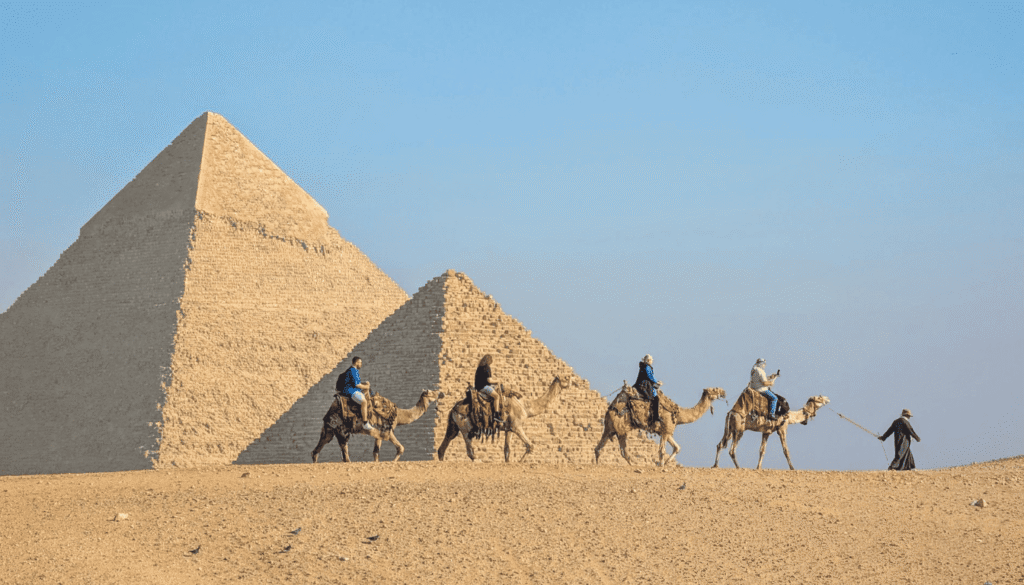
Stand before the Great Pyramid of Giza, and you’re looking at a structure that has witnessed 4,500 years of human history. While empires rose and fell, while languages were born and forgotten, these limestone giants remained. Yet Egypt is far more than an ancient monument frozen in time. Today, this nation of over 100 million people is undergoing a remarkable transformation, blending its incomparable heritage with ambitious plans for the future through “Egypt’s Vision 2030″—a comprehensive framework aiming for sustainable economic growth and cultural preservation.
This complete guide to Egypt will take you on a journey through time and space, from the golden age of the pharaohs to the vibrant pulse of modern Egyptian cities. Whether you’re planning your first Egypt travel guide adventure or seeking to understand the deeper currents of Egypt history and culture, this exploration reveals why Egypt remains one of the world’s most captivating destinations. Ancient Egypt history comes alive in temples and tombs, while contemporary Egypt showcases a nation confidently stepping into the future without abandoning its soul.
“Tap here and learn more about Top 20 Fascinating Facts About Egypt You Probably Didn’t Know.”
The Cradle of Civilization: Ancient Egypt History
The Age of the Pyramids
Ancient Egypt history begins around 3100 BCE when King Menes unified Upper and Lower Egypt, creating one of the world’s first nation-states. What followed was a civilization that would dominate the ancient world for three millennia. The Old Kingdom (2686-2181 BCE) represents the pinnacle of pyramid construction, an era when Egyptian engineering manifested in stone.
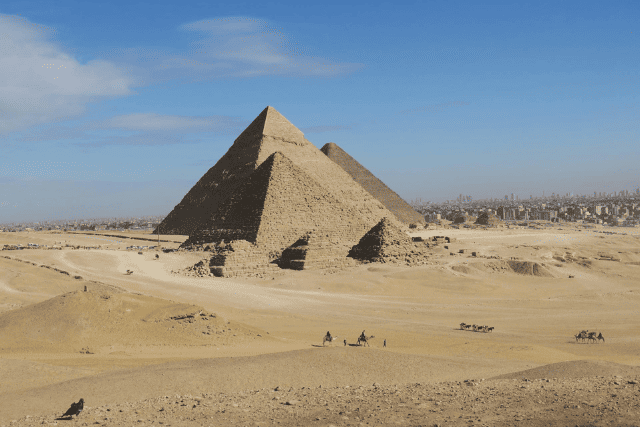
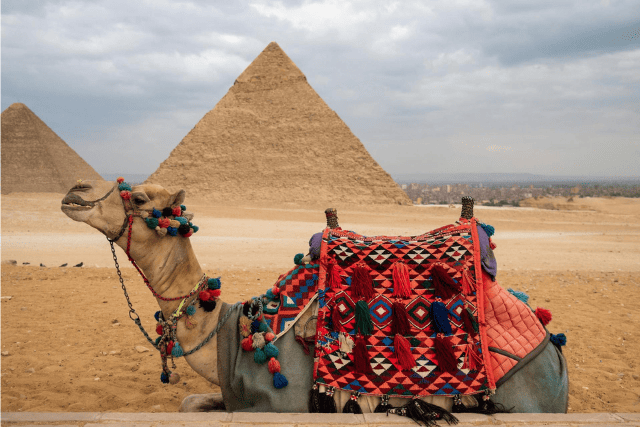
The Giza Plateau houses the most iconic monuments of this era. The Great Pyramid of Khufu, built around 2560 BCE, held the title of the world’s tallest man-made structure for 3,800 years. Constructed from approximately 2.3 million limestone blocks, each weighing an average of 2.5 tons, it represents a mathematical and engineering marvel that still puzzles researchers. The precision is extraordinary—the base is level to within 2.1 centimeters, and the sides align almost perfectly with true north.
Beside Khufu’s monument stand the pyramids of Khafre and Menkaure, completing the famous trio. The Great Sphinx, carved from a single limestone outcrop, guards the complex with the body of a lion and the face of a pharaoh—likely Khafre himself. Recent restoration work has revealed details hidden for centuries, including traces of the original red paint that once colored the Sphinx’s face.
Luxor: The World’s Greatest Open-Air Museum
Cross the Nile to Luxor’s west bank, and you enter the Valley of the Kings, where pharaohs of the New Kingdom (1550-1077 BCE) were laid to rest in elaborately decorated rock-cut tombs. Sixty-three tombs have been discovered, with more likely hidden beneath the sand. The tomb of Tutankhamun, discovered by Howard Carter in 1922, remains the most famous archaeological find in history. The golden death mask, weighing 10.23 kilograms of solid gold, has become the face of ancient Egypt worldwide.
More impressive artistically are the tombs of Seti I and Ramesses VI, with walls covered floor-to-ceiling in vivid paintings depicting the journey through the afterlife. The colors—blues, reds, yellows, and greens—remain vibrant after 3,000 years, protected by the dry desert climate.
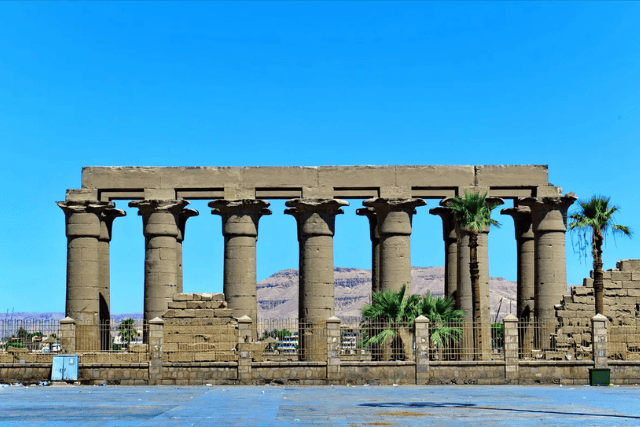
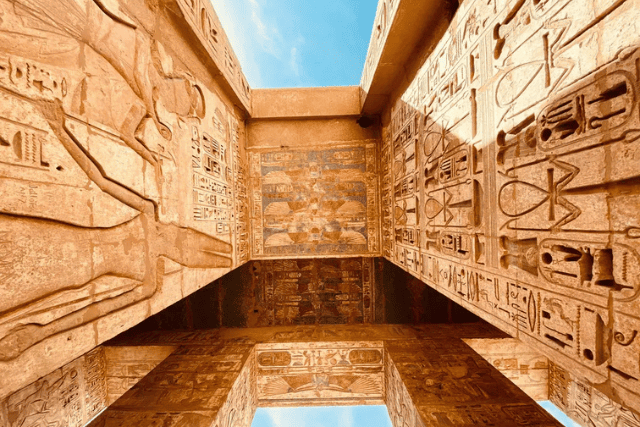
The Karnak Temple Complex covers over 200 acres, making it one of the largest religious structures ever built. Walk through the Great Hypostyle Hall and you’re surrounded by 134 massive columns arranged in 16 rows. The 12 central columns stand 21 meters tall, their capitals designed as open papyrus flowers. Sunlight filters through remaining stone roof slabs, creating shafts of golden light that illuminate hieroglyphic inscriptions covering every surface.
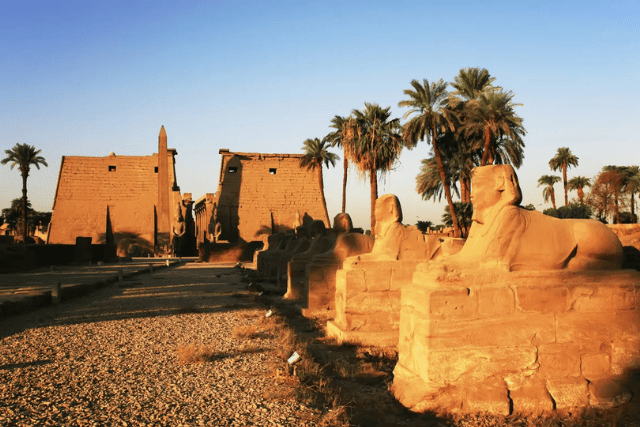
Connected to Karnak by a 2.7-kilometer avenue lined with sphinx statues, Luxor Temple served a different purpose—confirming the pharaoh’s divine nature during the annual Opet Festival. Recent excavations uncovered more of this ceremonial avenue, and in 2021, Egypt unveiled the fully restored path in a spectacular ceremony.
Abu Simbel: Ancient and Modern Engineering
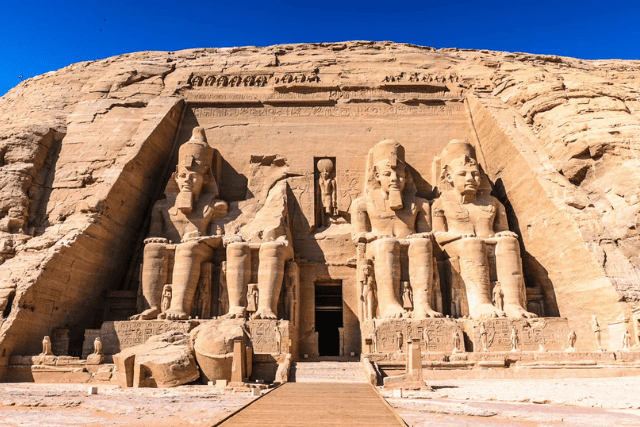
Four hours south of Aswan, carved into a sandstone cliff overlooking Lake Nasser, Abu Simbel represents Ramesses II’s architectural ego at its peak. Four colossal statues of the pharaoh, each 20 meters tall, flank the entrance. Inside, the temple extends 63 meters into the mountain.
The temple’s astronomical precision astounds modern visitors. Twice yearly—on February 22 and October 22—sunrise penetrates the entire length of the temple, illuminating the statues of Ramesses and the gods in the innermost sanctuary. This solar alignment, calculated 3,200 years ago, still functions perfectly.
When Egypt planned the Aswan High Dam in the 1960s, the resulting Lake Nasser would have submerged Abu Simbel completely. UNESCO coordinated an international rescue mission costing $40 million. Engineers cut the entire complex into 1,036 blocks and reassembled them 65 meters higher on an artificial hill. The precision was such that the solar alignment remained intact, shifted by just one day.
Islamic Cairo: A Thousand Years of Splendor
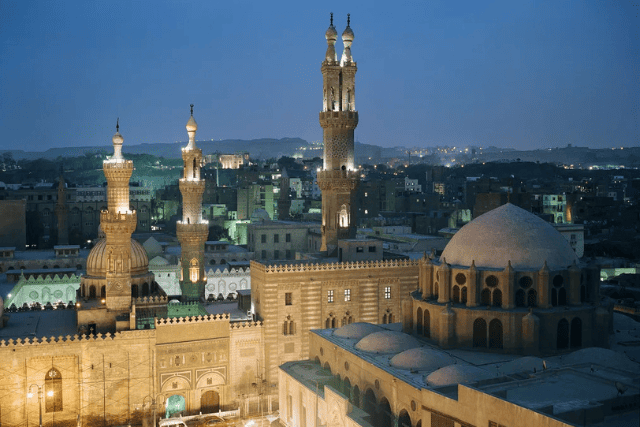
The Fatimid and Mamluk Legacy
Ancient Egypt history often overshadows Egypt’s Islamic golden age, yet the medieval period produced architectural achievements equally worthy of admiration. The Fatimid Caliphate founded Cairo in 969 CE, creating a city of mosques and markets that became the intellectual heart of the Islamic world.
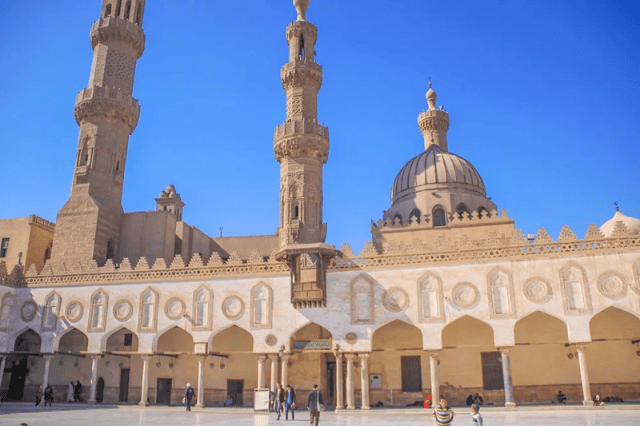
Al-Azhar Mosque, established in 970 CE, remains one of the world’s oldest continuously operating universities. For over a millennium, scholars have studied theology, law, and philosophy within its halls. The complex represents Fatimid, Mamluk, and Ottoman influences spanning centuries.
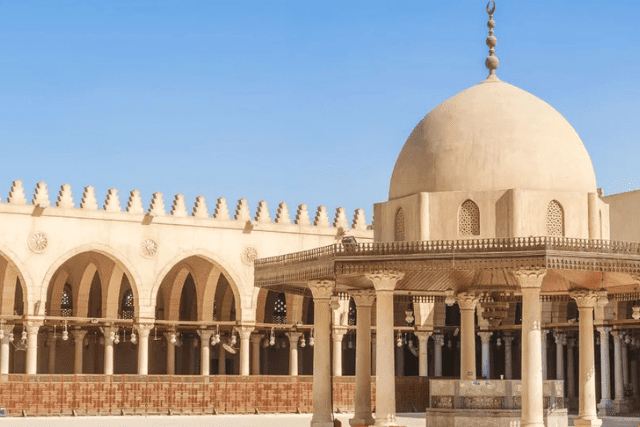
The Mosque of Ibn Tulun, built in 879 CE, showcases early Islamic architecture in Egypt. Its unique spiral minaret, inspired by Samarra in Iraq, offers panoramic views of Cairo. The vast courtyard, surrounded by arcades with pointed arches, demonstrates architectural innovation that influenced European Gothic architecture centuries later.
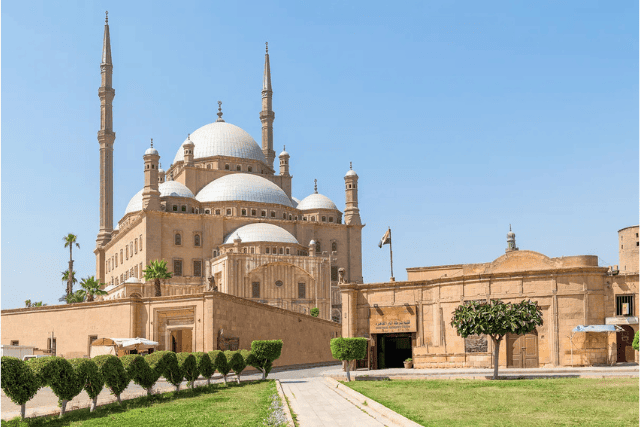
The Mamluk period (1250-1517) represents the pinnacle of Islamic art and architecture. The Sultan Hassan Mosque-Madrasa, completed in 1363, combines religious, educational, and funerary functions in one monumental structure. Its main portal, 37.7 meters tall, ranks among the largest in the Islamic world. The interior courtyard, with its four iwans representing the four schools of Sunni jurisprudence, creates a space of perfect proportions.
Khan el-Khalili: Heart of Trade
Khan el-Khalili, a labyrinthine bazaar dating to 1382, began as a caravanserai for Silk Road merchants and evolved into Cairo’s commercial center. Narrow alleys lined with shops selling gold jewelry, handcrafted copper lanterns, and traditional goods create an atmosphere unchanged for centuries. The architecture showcases Mamluk buildings with distinctive striped stone facades, wooden mashrabiya screens, and carved portals leading to hidden courtyards.
“Tap here and book now Islamic Cairo Walking Tour: Khan el Khalili, Al-Azhar Mosque.”
Alexandria: The Mediterranean Jewel
Founded by Alexander the Great in 331 BCE, Alexandria became the ancient world’s intellectual capital. The Great Library of Alexandria symbolizes an era when scholars studied mathematics, astronomy, and philosophy. While the ancient library vanished, the modern Bibliotheca Alexandrina, opened in 2002, reclaims that legacy. This stunning contemporary structure houses eight million books and serves as a cultural center with museums and research facilities.
The Catacombs of Kom el Shoqafa, discovered in 1900, represent the largest Roman burial site in Egypt. Descending three levels carved into bedrock, these catacombs blend Egyptian, Greek, and Roman artistic styles. Statues of Anubis wear Roman armor while traditional Egyptian gods display Greek hairstyles, reflecting Alexandria’s cosmopolitan character.
Today’s Alexandria stretches 32 kilometers along the Mediterranean coast. The Corniche provides spectacular sunset views, while historic cafés preserve the city’s cosmopolitan past. The Citadel of Qaitbay, built in 1477 on the former site of the Lighthouse of Alexandria (one of the Seven Wonders), guards the harbor entrance.
Aswan and Nubian Heritage
Aswan marks ancient Egypt’s southern frontier, where the Nile’s First Cataract created a natural boundary. The Nile here is at its most beautiful—studded with granite islands and dotted with feluccas whose white sails catch the constant breeze. Elephantine Island contains archaeological ruins spanning 3,000 years, including the Nilometer that measured the river’s annual flood levels to determine tax rates.
The Nubian people, with their distinct language and culture, inhabited the Nile Valley south of Aswan for thousands of years. Today, Nubian culture thrives in colorful villages along the Nile’s banks. Houses painted in vibrant blues, yellows, and greens create a striking contrast to the golden desert. The Nubian Museum chronicles this culture’s history from prehistoric times, displaying artifacts from the Kingdom of Kush that once conquered Egypt itself.
The Temple of Isis on Philae Island represents one of Egypt’s most romantically situated monuments. Originally on Philae Island, which was submerged after the first Aswan Dam’s completion, the temple was relocated to nearby Agilkia Island stone by stone in the 1970s. Dedicated to Isis, goddess of magic and motherhood, Philae was one of ancient Egypt’s last functioning temples where pagan worship continued until 550 CE.
The Red Sea: Egypt’s Underwater Paradise


Egypt’s Red Sea coast offers some of the planet’s finest coral reef diving. The Red Sea’s unique characteristics—minimal freshwater input, high salinity, and warm temperatures—create ideal conditions for coral growth. Over 1,200 fish species and 200 coral species thrive in these waters.
Sharm el-Sheikh, on the Sinai Peninsula’s southern tip, developed from a small fishing village into a world-renowned resort destination. Ras Mohammed National Park features walls dropping 800 meters into deep water, creating dramatic underwater landscapes where sharks, dolphins, and sea turtles patrol.
Hurghada serves as the gateway to numerous dive sites on the mainland coast. Further south, Marsa Alam offers less crowded diving with encounters with dugongs and manta rays. Elphinstone Reef regularly attracts oceanic whitetip sharks and hammerheads, thrilling experienced divers.
Dahab maintains a relaxed, bohemian atmosphere distinct from larger resort cities. The Blue Hole, a submarine sinkhole plunging 130 meters deep, draws freedivers and technical divers. Consistent winds and shallow lagoons make Dahab ideal for windsurfing and kitesurfing.
Siwa Oasis: Desert Isolation
Siwa Oasis, located 50 kilometers from the Libyan border, remained largely isolated until a road was built in the 1980s. This remoteness preserved unique cultural traditions among the Berber-speaking Siwans. The landscape seems otherworldly—salt lakes shimmer between palm groves, sandstone formations create natural sculptures, and vast sand seas stretch to the horizon.
The Oracle Temple of Amun, where Alexander the Great consulted the oracle in 331 BCE and was proclaimed the son of Zeus-Amun, perches atop a rocky hill. Though ruined, the temple’s historical significance remains profound. Cleopatra’s Bath, a natural spring pool surrounded by palms, offers a refreshing swim in crystal-clear water that has served the community for thousands of years.
Siwa serves as the launching point for Great Sand Sea expeditions. This vast desert contains some of the Sahara’s tallest dunes, reaching heights of 140 meters. Travelers can reach remote hot springs and discover marine fossils from when this region lay beneath the ancient Tethys Sea.
Egypt’s Vision 2030: Building the Future
Egypt’s ambitious Vision 2030 strategy aims to transform the nation into a competitive, diversified economy. The New Administrative Capital, under construction 45 kilometers east of Cairo, represents this vision’s most visible manifestation. This $58 billion project will house government ministries and foreign embassies within a planned city designed for seven million residents, featuring smart infrastructure and extensive green spaces.
Tourism, which generates 12% of Egypt’s GDP and employs 2.5 million people, stands central to the Vision 2030 strategy. The government targets 30 million annual visitors by 2028. The Grand Egyptian Museum, positioned near the Giza Pyramids, will become the world’s largest archaeological museum, displaying over 100,000 artifacts including the complete Tutankhamun collection.
Egypt’s geography offers tremendous renewable energy potential. The Benban Solar Park in Aswan, one of the world’s largest solar installations, generates 1.65 gigawatts from over 7.2 million solar panels. This facility powers approximately 420,000 homes and reduces carbon emissions by two million tons annually. The government targets renewable sources providing 42% of electricity generation by 2030.
Legislative reforms signal important social progress. Decree No. 43 of 2021 eliminated restrictions preventing women from working in 33 professions previously deemed too difficult or dangerous. Female entrepreneurship receives government support, with women-owned businesses growing 35% between 2018 and 2023.
Egyptian Arts and Contemporary Culture
Egyptian literature boasts a Nobel laureate and a tradition stretching from ancient papyri to contemporary novels. Naguib Mahfouz, who won the Nobel Prize for Literature in 1988, chronicled Cairo through masterpieces like the Cairo Trilogy. Contemporary writers like Alaa Al Aswany continue this tradition, with The Yacoubian Building selling over one million copies in Arabic.
Egyptian cinema dominated the Arab world for decades, earning Cairo the nickname “Hollywood on the Nile.” The Cairo International Film Festival, established in 1976, is the Middle East’s oldest and most prestigious. Contemporary filmmakers tackle social issues with increasing boldness, winning numerous international awards.
Egyptian music spans classical Arabic traditions to cutting-edge fusion. Umm Kulthum, whose career spanned the 1920s-1970s, remains the Arab world’s most celebrated singer. Mohamed Mounir blends Nubian rhythms with rock and jazz.
Practical Egypt Travel Guide Essentials
When to Visit?
November through February offers pleasant temperatures (15-25°C) perfect for exploring archaeological sites. This peak season sees larger crowds but provides the best sightseeing conditions. March through May brings rising temperatures but fewer tourists. April’s Khamsin winds occasionally create sandstorms that reduce visibility.
June through October brings intense heat exceeding 40°C in Upper Egypt. However, Red Sea resorts remain comfortable due to sea breezes, making summer ideal for diving vacations. Dramatically reduced crowds at inland sites and significant discounts offset the heat for budget-conscious travelers.
Getting Around
Air and budget carriers operate domestic flights between Cairo, Luxor, Aswan, Sharm el-Sheikh, and Hurghada. Trains connect Cairo with Alexandria, Luxor, and Aswan. Overnight sleeper trains between Cairo and Aswan offer comfortable travel while saving a hotel night. Nile cruises between Luxor and Aswan remain popular, stopping at major temples while providing meals and air-conditioned comfort.
Visa and Entry Requirements
Most nationalities can obtain a 30-day tourist visa on arrival at Egyptian airports for $25 USD. E-visas purchased online cost the same and expedite processing. Passport validity must extend at least six months beyond your departure date.
Currency and Cultural Etiquette
The Egyptian Pound (EGP or LE) is Egypt’s official currency. ATMs are widespread in cities and tourist areas. Cash dominates transactions outside major hotels. Credit cards work in upscale establishments, but always carry sufficient cash as backup.
Egyptians value modesty in dress and behavior. Cover shoulders and knees, especially when visiting mosques and rural areas. Photography of local people requires permission. Photographing government buildings, military installations, and police is prohibited. Remove shoes when entering mosques. Public displays of affection should be minimal.
During Ramadan, eating, drinking, and smoking publicly during daylight hours is disrespectful. Many restaurants close during the day, though hotels serve guests normally.
Egypt Awaits: Your Journey Begins
This complete guide to Egypt has journeyed from the pyramids’ ancient stones to the glass towers of the new capital, from pharaonic temples to contemporary art, from coral reefs to desert oases. history and culture weave together in complex patterns—ancient history provides the foundation, Islamic traditions add rich layers, and modern ambitions drive toward a dynamic future.
Egypt reveals itself slowly to those willing to look beyond surface impressions. The pyramids will astound you, the temples will educate you, and the landscapes will humble you. Whether you’re drawn by archaeological wonders, underwater adventures, or curiosity about one of humanity’s oldest civilizations, offers experiences found nowhere else.
This travel guide provides the framework, but your journey will be uniquely yours—shaped by unexpected encounters and moments when past and present collapse into a single, eternal now. Come prepared for sensory overload, occasional frustration, and frequent wonder. Come ready to question assumptions and embrace complexity. Egypt has been welcoming travelers for 5,000 years. Now it’s your turn.
Pingback: Best 10 Reasons Why Egypt Should Be Your Next Travel Destination. - Discover Egypt Now