
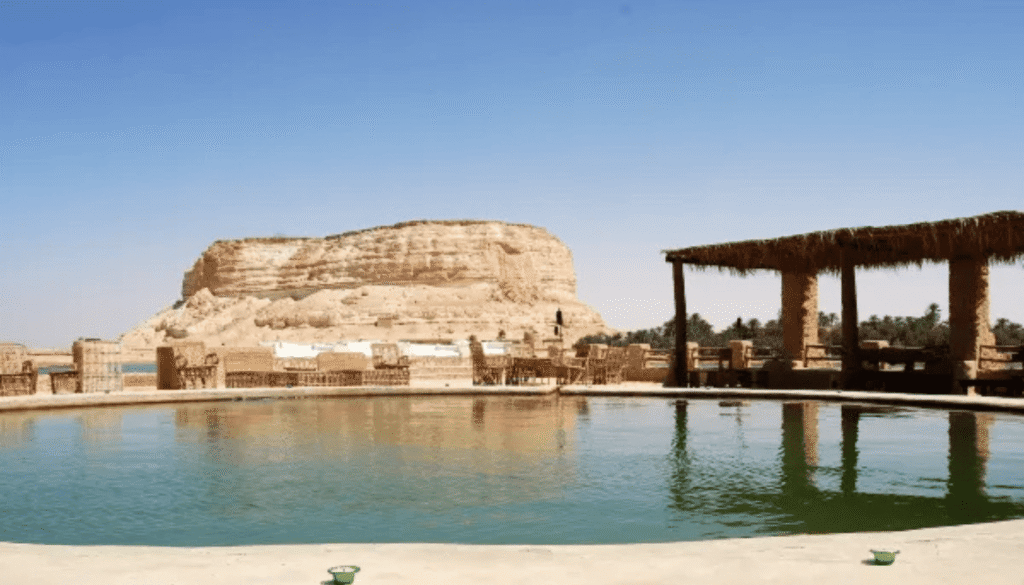
Why Siwa is Different from Anywhere Else?
Siwa Oasis is one of Egypt’s most unique destinations for eco-conscious travelers seeking peace, nature, and authenticity. In this guide to the best eco-lodges Siwa Oasis, you’ll discover sustainable hotels that blend perfectly with the desert environment while supporting responsible tourism. Whether you’re planning a relaxing escape or an eco-friendly adventure, these best eco-lodges Siwa Oasis offer comfort, culture, and sustainability in one unforgettable stay.
Picture this: you’re literally in the middle of the Great Sand Sea, surrounded by golden dunes that stretch endlessly in every direction. There’s no Hilton here, no Marriott, no cookie-cutter hotels with their predictable lobbies and generic continental breakfasts. Siwa Oasis isn’t that kind of place, and honestly, that’s exactly what makes it magical.
This remote Egyptian oasis operates on a different frequency entirely. While the rest of the world rushes forward, Siwa invites you to slow down, to breathe, to remember what it feels like to live according to the sun’s rhythm rather than your phone’s notifications. The accommodations here aren’t just places to sleep—they’re experiences that connect you to centuries of Berber culture and architectural wisdom.
What sets Siwa’s eco-lodges apart is kershef, the traditional building material that’s been used since the 13th century. It’s a mixture of sun-dried salt rock, clay, and mud that creates these organic, sculptural structures that seem to grow from the desert itself. The walls are thick and cool, the corners are rounded, and every building feels like it has a story to tell. When you stay in one of these sustainable hotels in Siwa, you’re not just booking a room—you’re stepping into a living tradition.
Before we dive deep into the best eco-friendly accommodation in Egypt’s most mystical oasis, here’s a quick snapshot of what you can expect across different price points:
Siwa Accommodation Comparison
| Price Range | Nightly Rate | Examples | What You Get |
|---|---|---|---|
| Budget | Under $30 | Sleep in Siwa, Mountain Camp Ali Khaled | Traditional rooms, shared facilities, authentic experience |
| Mid-Range | $30-$100 | Talist Siwa, Shali Lodge | Solar power, organic meals, traditional architecture |
| Upscale | $100-$200 | Taziry Ecolodge, Siwa Shali Resort | Private gardens, hot springs, modern amenities |
| Luxury | $200-$300 | Siwa Palace Lodge, Albabenshal Lodge | Heritage sites, pools, premium service |
| Ultra-Luxury | $300+ | Adrère Amellal | Candlelit dinners, celebrity-level privacy, all-inclusive |
Now, let me take you through the five absolute standouts, the places that define what sustainable luxury means in the desert.
“Tap here and learn more about Top Luxury Resorts in Hurghada: Best 5 for a Dream Beach Stay.”
The Icons of Eco-Luxury: Ultimate Digital Detox
1-Taziry Ecolodge: Where Tradition Meets Refined Comfort
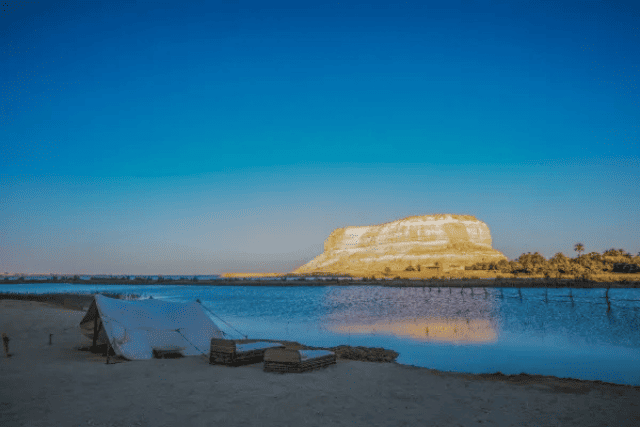
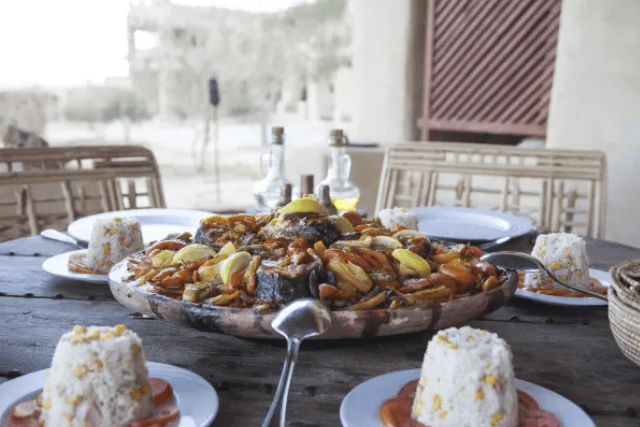
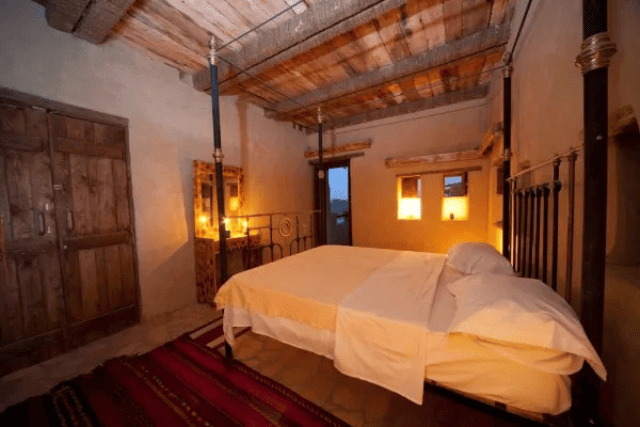
Taziry Ecolodge sits at the foot of Red Mountain, and it’s designed like a small sustainable village rather than a conventional hotel. The property sprawls across several acres, with individual bungalows connected by sandy pathways that wind through gardens of date palms and olive trees.
What sets Taziry apart is its attention to cultural detail. The owners brought in a Moroccan chef who creates this fascinating fusion of North African cuisines, and the dining experience here is something travelers talk about long after they’ve left. The tagines are slow-cooked to perfection, the couscous is fluffy and aromatic, and the mint tea? Well, it’s served with the kind of ceremony that reminds you that in desert cultures, hospitality is sacred.
Taziry also maintains a stable of Arabian horses, and morning rides through the oasis are available for guests. There’s something deeply romantic about galloping through palm groves as the sun rises, with the desert mountains turning pink and gold around you.
The rooms here blend modern comfort with traditional aesthetics. You’ve got air conditioning (thank goodness, because summer in Siwa is brutal), comfortable beds with high-quality linens, and beautifully tiled bathrooms. But the architecture is pure kershef, with those characteristic curved walls and cool, cave-like interiors.
Prices hover around $120-180 per night depending on the season, making Taziry one of the more accessible options among the premium eco-friendly accommodation in Egypt.
2-Siwa Palace Lodge: Five-Star Comfort in a Desert Setting
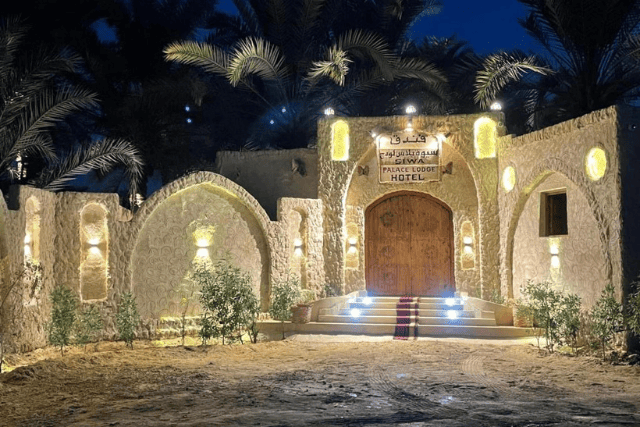
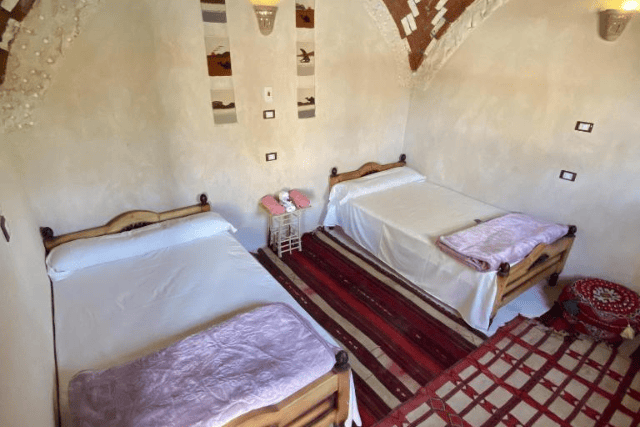
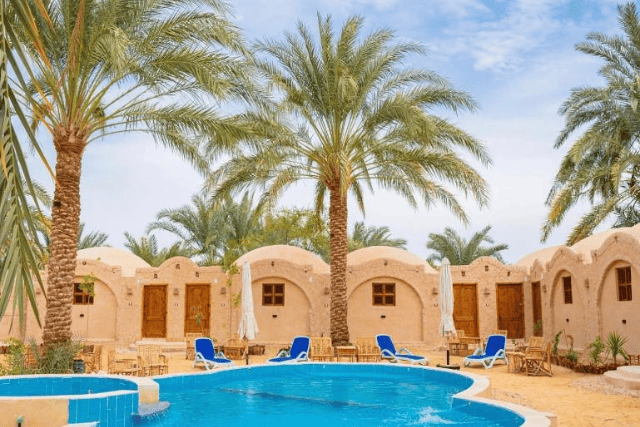
For travelers who want sustainability but aren’t quite ready to give up their creature comforts, This Palace Lodge hits the sweet spot. This is the closest thing Siwa has to a traditional five-star hotel, but it’s built using local materials and incorporates numerous eco-friendly practices.
The standout feature is the pool—a genuine rarity in desert eco-lodges. It’s filled with water from Siwa’s natural springs, which means it’s slightly warm and mineral-rich. Swimming here at sunset, with the palm trees swaying overhead and the call to prayer echoing from distant mosques, is an experience you won’t forget.
The property also features a hot spring bath, separate from the main pool, where the water stays at a natural 38°C year-round. Locals swear by the therapeutic properties of these mineral waters for everything from joint pain to skin conditions.
Rooms are spacious and elegantly furnished, with traditional carved wooden furniture and local textiles. The air conditioning actually works (not always a given in Siwa), and there’s reliable electricity and Wi-Fi for those who need to stay connected.
The restaurant serves both Egyptian and international cuisine, though I’d recommend sticking with the local dishes—the staff’s mothers and grandmothers often share family recipes with the kitchen, and those are always the most memorable meals.
At around $180-220 per night, Siwa Palace Lodge represents the upper end of mid-range pricing. It’s perfect for families or travelers who appreciate eco-conscious design but need modern amenities.
Heritage & Location: Staying in the Heart of Shali
3-Albabenshal Lodge: Living Inside a Legend
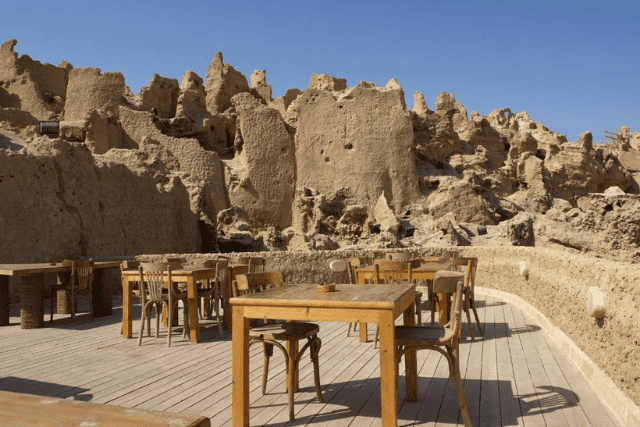
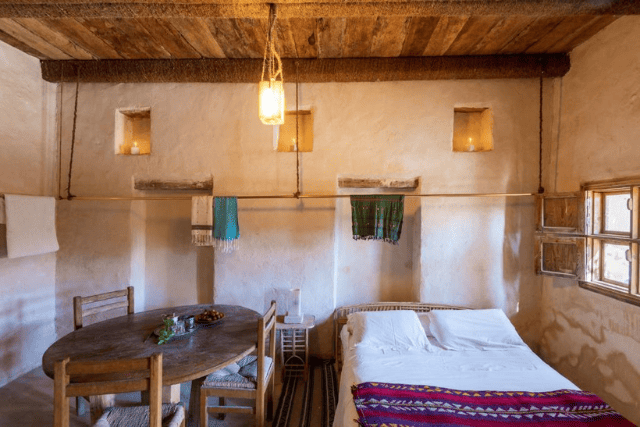
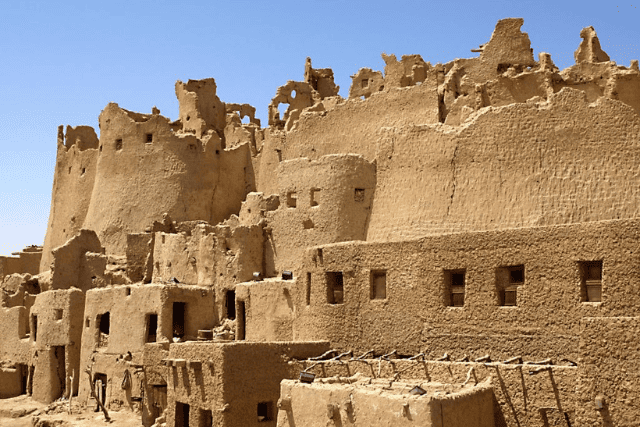
Albabenshal Lodge occupies one of the most extraordinary locations of any hotel I’ve encountered: it’s built directly into the ruins of the 13th-century Shali Fortress. We’re talking about a UNESCO-recognized heritage site, and you get to sleep inside it.
The fortress of Shali was constructed entirely from kershef, and it once housed the entire population of Siwa—up to 1,000 people living in this multi-story fortified city. Three days of torrential rain in 1926 caused much of it to collapse (kershef is strong but not waterproof), and the ruins have been slowly melting back into the desert ever since.
Albabenshal was carefully constructed within these ruins, using traditional building methods to create a lodge that feels like it’s always been there. The location means you’re literally at the center of town, with the bustling market just steps away and the palm groves visible from every terrace.
The views from the rooftop are absolutely stunning. You can see the entire oasis spread out below—an endless sea of palm trees broken up by salt lakes that shimmer white in the sun, with the Great Sand Sea rising like a wall in the distance.
Each room is different because they had to work within the existing structure. Some have these incredible vaulted ceilings, others have small windows carved through meter-thick walls, and a few have private terraces overlooking the ancient fortress. The interiors maintain that traditional mud-brick aesthetic, with cushions and rugs in Siwan patterns and colors.
The downside of being in the heart of town? Noise. During the day, you’ll hear the market vendors, children playing in the streets, motorcycles buzzing by. If you’re a light sleeper, this might bother you. But personally, I found it charming—these are the sounds of a living, breathing community, not some sanitized tourist bubble.
Prices for this heritage experience range from $150-200 per night. Given the location and historical significance, many travelers find it worth every pound. The breakfast spread, served on the rooftop terrace with those panoramic views, is included and features local specialties like homemade jams, fresh dates, and bread from the nearby bakery.
4-Siwa Shali Resort: Modern Luxury Meets Ancient Walls
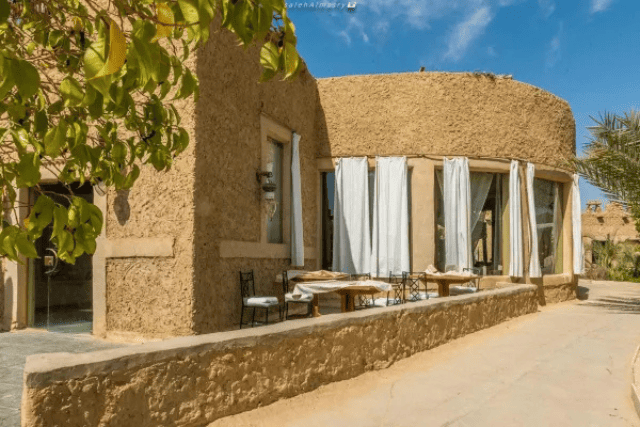
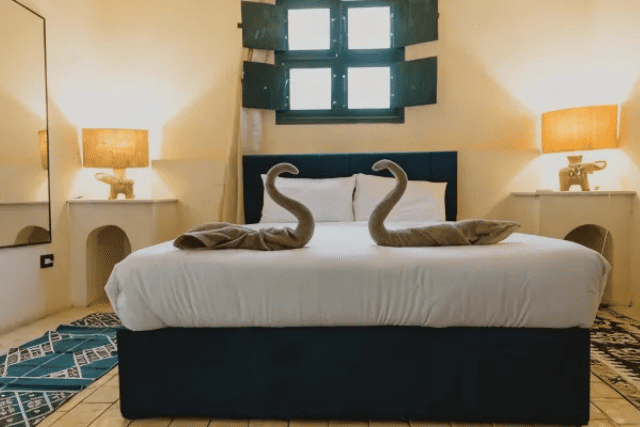
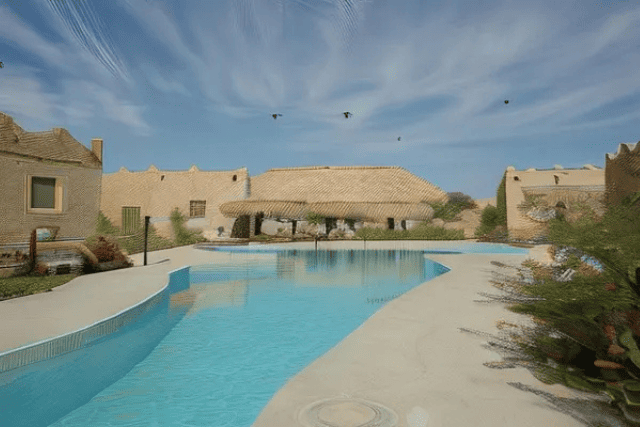
Just a short walk from Albabenshal, Siwa Shali Resort takes a different approach to the same neighborhood. While Albabenshal is all about authenticity and heritage, Shali Resort fuses traditional architecture with decidedly modern luxuries.
The property features private jacuzzis in some suites (fed by Siwa’s hot springs, naturally), a spa offering traditional treatments, and interiors that blend kershef construction with contemporary design elements. The lighting is subtle and sophisticated, the bathrooms are spacious and modern, and the beds are the kind you sink into gratefully after a day of desert exploration.
What makes this one of the top sustainable hotels in Siwa is how they’ve achieved this level of comfort while maintaining environmental responsibility. Solar panels supplement the power grid, water is carefully recycled for the gardens, and much of the decor comes from local artisans rather than being imported.
The resort’s restaurant has earned a reputation among both tourists and Egyptian visitors for its menu, which showcases Siwan specialties alongside Egyptian classics. The chef sources ingredients from local farms whenever possible, and the result is food that tastes fresh and authentic.
Rooms start around $140 per night, making Shali Resort competitively priced for the level of comfort and service provided.
Secluded Escapes: Farm Stays and Lakeside Living
5-Talist Siwa: Farm-to-Table Living
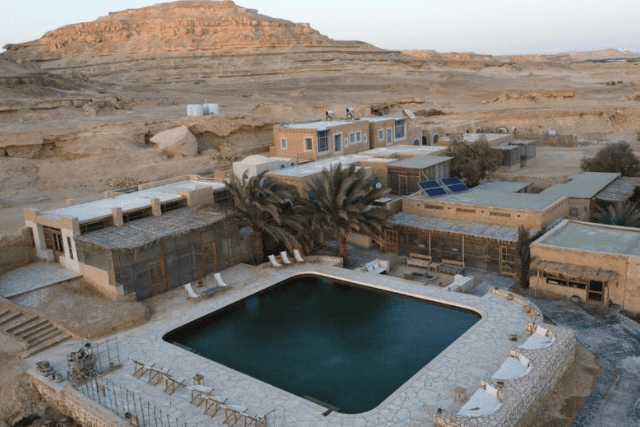
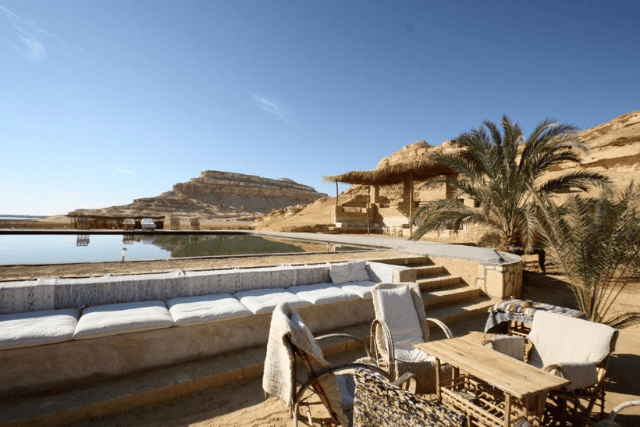
If the previous properties felt too polished, too resort-like, Talist Siwa brings you back to earth—sometimes literally. This family-owned farm and ecolodge sits far from the town center, surrounded by date palms, olive trees, and vegetable gardens that supply the kitchen.
Talist runs entirely on solar power, which means you need to be strategic about when you charge your devices. There are limited electrical outlets, and power is more reliable during sunny days than cloudy ones. This isn’t a bug in the system—it’s a feature, a gentle reminder that in Siwa, you work with nature rather than trying to dominate it.
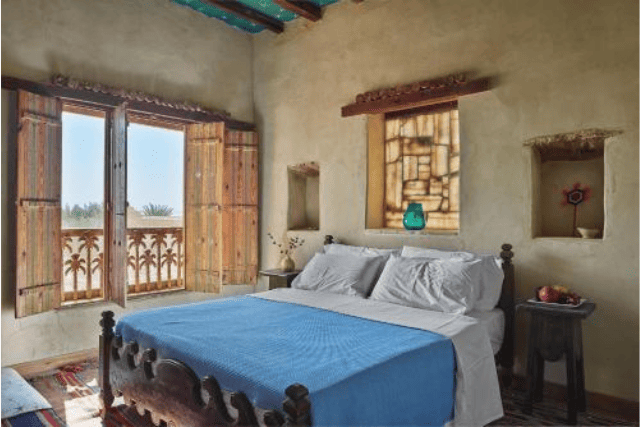
The rooms are simple but comfortable, built using traditional methods with kershef walls that keep the interior cool even during the hottest days. What you’re really paying for here isn’t luxury amenities—it’s authenticity and peace. The only sounds you’ll hear are roosters at dawn, wind rustling through palm fronds, and the occasional bray of a donkey from a neighboring farm.
Meals at Talist are special because everything is genuinely farm-to-table. The family picks vegetables from their garden hours before cooking, the chickens running around the property provide eggs for breakfast, and the dates come from the trees you can see from your window. The matriarch of the family often cooks herself, and her traditional Siwan dishes are the kind of home cooking you can’t find in any restaurant.
The hospitality is warm and personal. You’re not just a guest here—you’re welcomed into the family. They’ll teach you how to make traditional bread if you ask, show you around the farm, explain how they maintain their organic gardens in the desert climate.
Prices are refreshingly reasonable at $50-70 per night including breakfast and dinner. For budget-conscious travelers seeking authentic eco-lodges, Talist represents exceptional value.
6-Taghaghien Island Resort: Sunset Views and Island Life
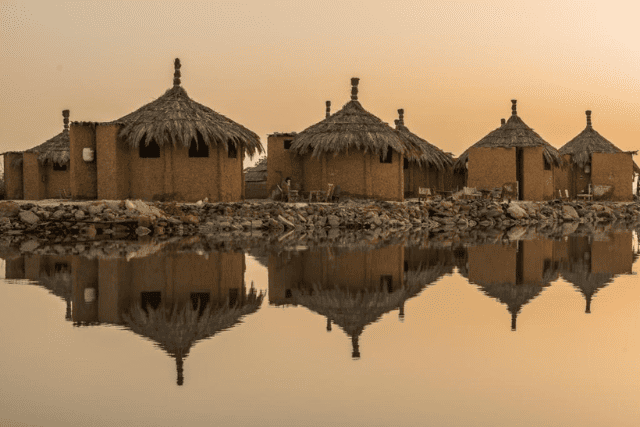
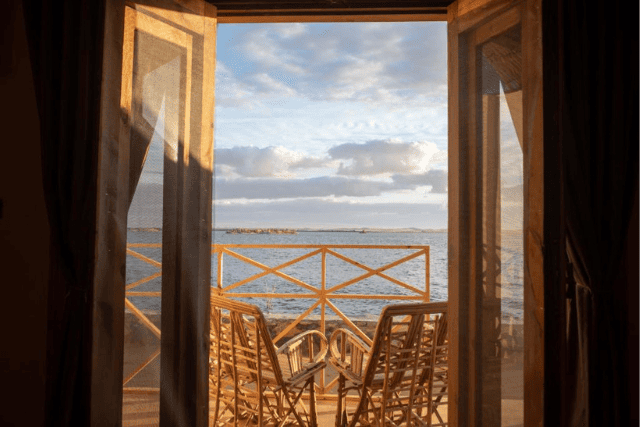
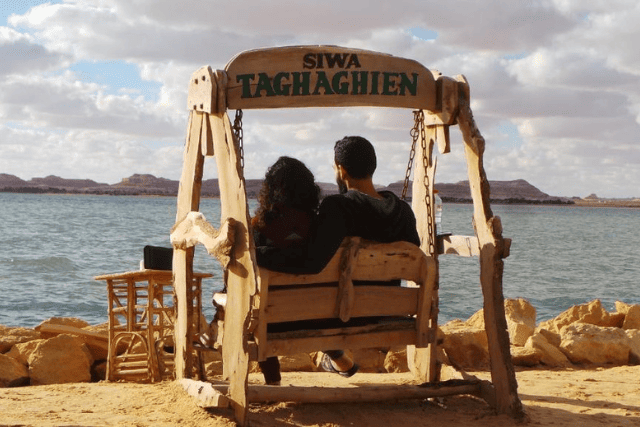
Taghaghien pulls off something remarkable: it’s located on an actual island in Siwa Lake, accessible only by a short boat ride from the mainland. This location gives it a unique character—you’re surrounded by water (a rarity in a desert oasis) with 360-degree views of the landscape.
The resort features 30 bungalows spread across the island, each with a private terrace facing the lake. The sunsets here are legendary. As the sun drops toward the horizon, the salt lakes turn gold, then pink, then deep purple. Flamingos sometimes wade in the shallows, and the mountains in the distance go through a spectrum of colors that photographers dream about.
Here’s the catch: electricity is only available from sunset to sunrise. During the day, the island runs on stored solar power, which is enough for minimal needs but not for running air conditioning or charging multiple devices. This forces you into a certain rhythm—you wake with the sun, spend the day exploring or reading in the shade, and retreat to your air-conditioned bungalow once the power kicks on in the evening.
Some travelers find this frustrating. Others find it liberating. Your perspective probably depends on how attached you are to constant connectivity and modern conveniences.
The restaurant serves fresh fish from the lake alongside traditional Egyptian dishes. The fish is caught by local fishermen and grilled over charcoal, served with rice and salad so simple and fresh it doesn’t need much else.
At around $90-120 per night, Taghaghien occupies that mid-range sweet spot. It’s affordable enough for most budgets but special enough to feel like a real escape.
Conclusion: Choosing Your Desert Dream
After exploring everything from candlelit luxury to farm stays and island retreats, the question remains: which of these eco-lodges in Siwa is right for you?
If you want the ultimate luxury digital detox and money isn’t a primary concern, Adrère Amellal is unmatched. Those candlelit dinners under the stars, the absolute silence, the feeling of stepping outside modern time—it’s worth the splurge for the experience of a lifetime.
For travelers seeking culture and authenticity, Albabenshal Lodge delivers something unique. Sleeping inside a 13th-century fortress, waking to the sounds of daily life in Siwa town, seeing the oasis from the same vantage point that ancient Siwans used—this is as real as it gets.
Budget-conscious adventurers should head straight to Talist Siwa or Mountain Camp Ali Khaled. You sacrifice some comfort but gain genuine hospitality and connection to Siwan culture and agriculture that money can’t buy at fancier properties.
Families and couples wanting comfort without giving up too much modern convenience will find Siwa Palace Lodge or Taziry Ecolodge the perfect middle ground. You get sustainable practices, beautiful architecture, and authentic atmosphere alongside pools, reliable electricity, and proper air conditioning.
For those seeking complete seclusion and natural beauty, Taghaghien Island Resort offers something none of the others can match: being surrounded by water in the middle of the desert, with sunset views that will live in your memory long after you’ve left.
The thing about these sustainable hotels in Siwa is that there’s no wrong choice. Each one reflects a different aspect of what makes this oasis special—whether it’s commitment to traditional building methods, integration with local culture, harmony with the desert environment, or preservation of ancient heritage.
Siwa isn’t just a destination where you go to check another place off your travel list. It’s a vibe, a state of mind, a reminder that the world still has corners where time moves differently and people live according to rhythms older than electricity and Wi-Fi. These eco-friendly accommodations in Egypt aren’t just places to sleep—they’re portals to a different way of being, even if just for a few days.
So pack your bag (don’t forget that power bank), bring cash, prepare to disconnect, and get ready to experience one of Egypt’s most magical and misunderstood corners. The desert is waiting, and trust me, it’s different from anywhere else you’ve been.
Pingback: Top 5 Beachfront Hotels in Dahab for a Perfect Seaside Stay. - Discover Egypt Now