
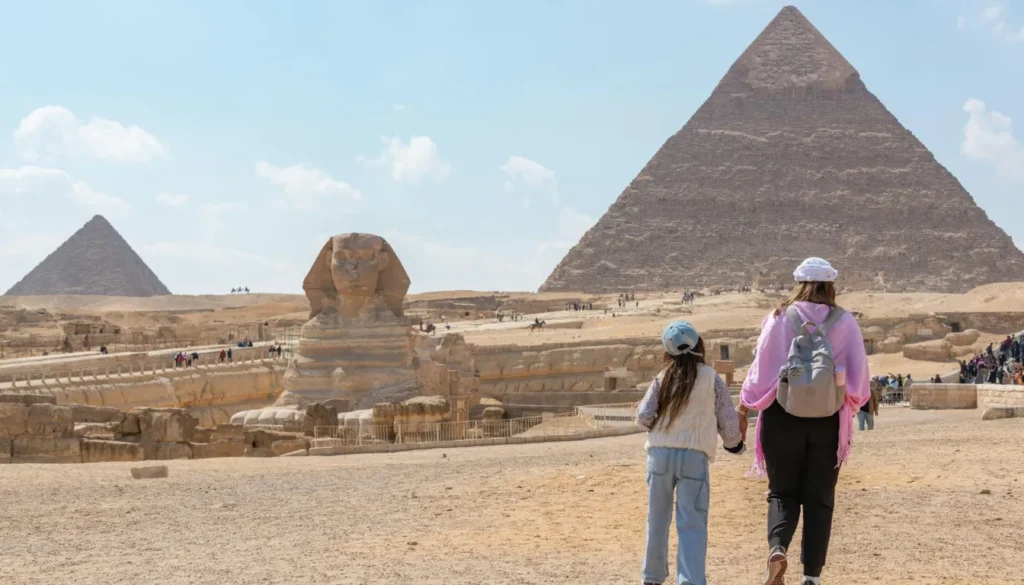
Egypt is one of the most magnificent travel destinations on the planet. The pyramids, the temples, the Nile, the hospitality of its people — all of it lives up to the legend, and often exceeds it. Yet every year, thousands of visitors return home disappointed, frustrated, or simply exhausted. And in almost every case, the root cause is the same: not Egypt itself, but the traveler arriving without the right preparation.
The mistakes tourists make in Egypt are not traps laid by the destination — they are self-inflicted, born from assumptions, shortcuts, and a failure to understand the culture before landing. Egypt travel mistakes stem almost entirely from the tourist’s own choices: what they wear, how they plan, what they assume, and how little Arabic they bother to learn before they go.
This guide covers the five most common and most avoidable of these tourist mistakes in Egypt — and gives you the practical Egypt travel tips to sidestep all of them, so the country can be exactly what it deserves to be: unforgettable.
MISTAKE #1 · Preparation
1. Not Researching the Dress Code Before Arriving
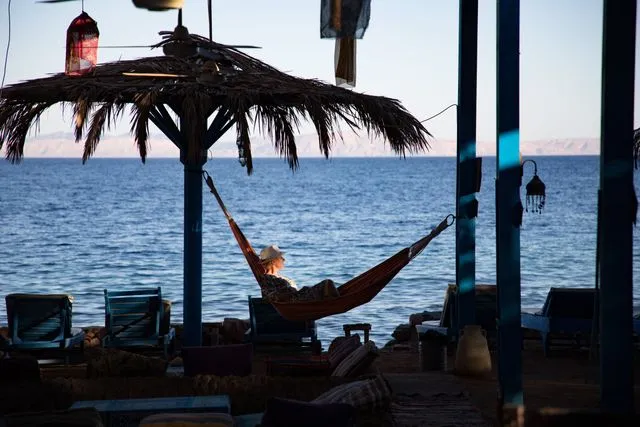
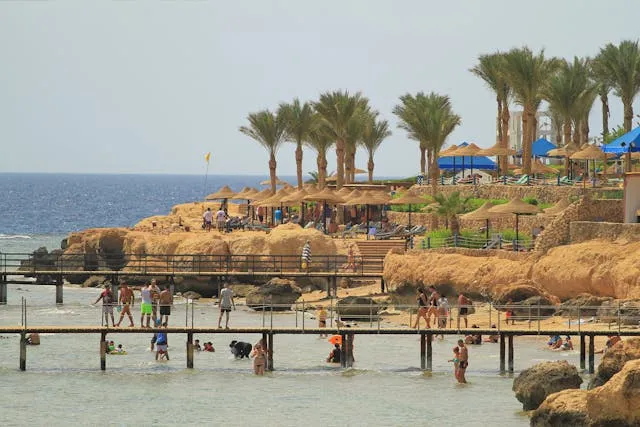
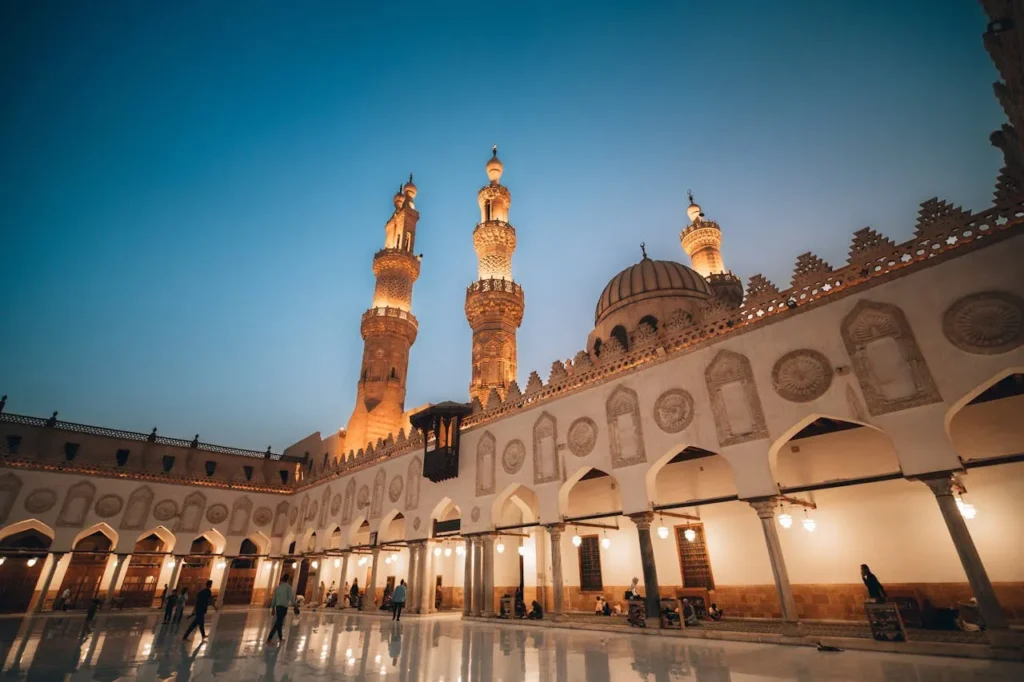
The number one Egypt travel mistake that tourists bring entirely on themselves is showing up with the wrong wardrobe — and blaming the country for the discomfort that follows. Egypt is a predominantly Muslim country with deeply rooted values around modesty, and these values shape the public experience everywhere, not just inside mosques.
A tourist who packs only shorts, sleeveless tops, and sundresses has simply not done their homework. The result is predictable: they get turned away at religious site entrances, they attract prolonged unwanted attention in markets and streets, and they spend the trip feeling conspicuous in ways that could have been entirely avoided with a single afternoon of research before packing.
The fix is straightforward. The challenge is that dress expectations shift depending on where you are, and understanding that matrix in advance is the difference between a smooth trip and a frustrating one:
| Location Type | Dress Level | What to Wear |
| Mosques & Religious Sites | Conservative | Women: headscarf, long sleeves, ankle-length skirt. Men: long trousers. |
| City Streets & Markets | Modest | Shoulders and knees covered; loose, breathable fabrics. |
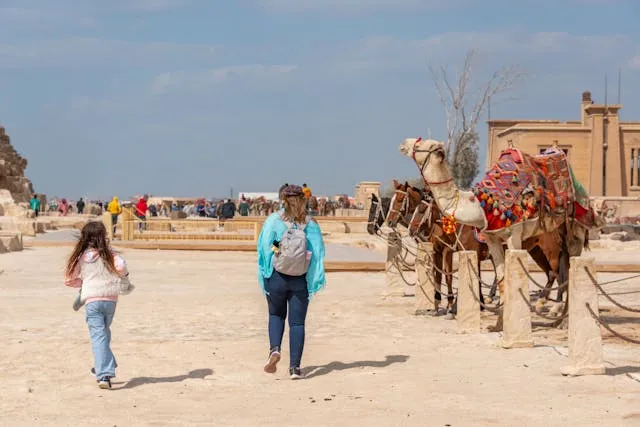
| Pyramids & Archaeological Sites | Modest + Practical | Breathable layers, sturdy walking shoes, hat, sunscreen. |
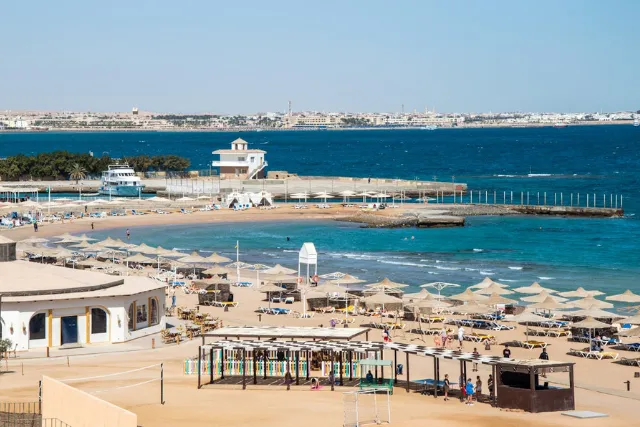
| Beach Resorts (Hurghada, Sharm) | Relaxed | Swimwear at pool/beach only; cover-up required in restaurants and lobbies. |
PRO TIP: The Layers Strategy: pack one lightweight scarf or pashmina and keep it in your day bag at all times. It weighs almost nothing, takes up no space, and gives you instant coverage whenever you need it — at a shrine, a market, or an unexpected visit to a local neighborhood. In Egypt’s heat, a loose linen layer also genuinely protects better than exposed skin under direct sun.
This is not about limiting your freedom as a traveler. It is about respecting a culture that has its own codes — and being rewarded for that respect with warmer interactions, easier access, and a trip that feels genuinely immersive rather than constantly at odds with its surroundings.
MISTAKE #2 · Cultural Respect
2. Arriving Without Learning Even Basic Arabic Phrases
This is a mistake that costs tourists nothing to fix and pays enormous dividends — yet the vast majority of visitors arrive in Egypt without a single Arabic word in their vocabulary beyond “hello.” The assumption that English is sufficient everywhere, and that making no effort to communicate in the local language is perfectly acceptable, is one of the more avoidable tourist mistakes in Egypt.
Egypt is a country where language is deeply tied to warmth and respect. When a foreigner attempts even three words of Arabic, the response from locals is immediate and genuine: smiles, laughter, appreciation, and a noticeably different quality of interaction. When a tourist communicates entirely in English with the expectation of being understood and accommodated, the dynamic is much colder — and they often walk away feeling that Egyptians are distant or transactional.
“The tourist who says La Shukran and Shukran Gedan in the right moments will have a fundamentally different trip from the one who never tried.”
Here are the six phrases that will genuinely change your experience:
- “As-salamu alaykum” (Peace be upon you) — the standard greeting. Using it when entering a shop or meeting someone is an immediate sign of respect.
- “Shukran gedan” (Thank you very much) — goes further than a simple thank you and is always warmly received.
- “La Shukran” (No, thank you) — essential for declining unsolicited offers firmly but politely.
- “Bikam?” (How much?) — the first word in every market negotiation.
- “Ghali awi” (Too expensive) — said with a smile, this opens every bargaining exchange on the right note.
- “Min fadlak / Min fadlik” (Please — to a man / to a woman) — simple courtesy that locals notice and appreciate.
WORTH KNOWING: You do not need to be fluent. You do not even need to be good. The effort itself is what matters. Mispronouncing “shukran” with a smile lands better than perfect silence. Download a basic Arabic phrasebook app before your trip — thirty minutes of practice will serve you for the entire journey.
MISTAKE #3 · Market Etiquette
3. Either Refusing to Bargain or Not Knowing How
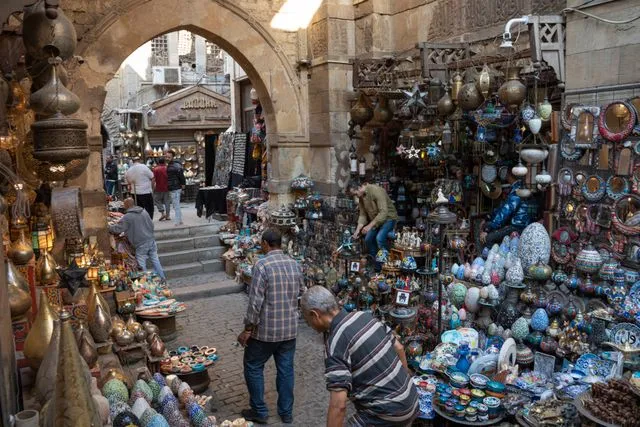
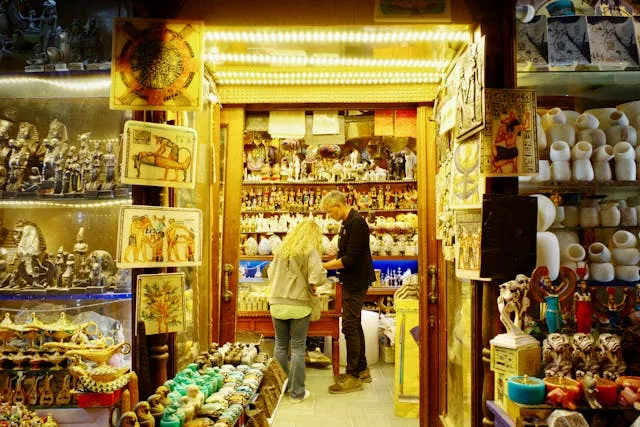
Egyptian souks and bazaars are among the most vibrant, sensory-rich market experiences in the world. Khan el-Khalili in Cairo, the markets of Luxor, the stalls around every major archaeological site — these are places where culture, commerce, and conversation converge. And the tourist who walks in treating it like a Western shopping mall, either paying the first price quoted or refusing to engage with negotiation at all, is missing the entire point.
Bargaining in Egypt is not optional, and it is not aggressive — it is a social language. The first price given to a foreign tourist is an opening position, not a final offer. Accepting it immediately signals either disinterest in the interaction or a willingness to overpay dramatically, neither of which leads to a satisfying exchange for either party. Refusing to engage at all because it feels uncomfortable is equally a mistake — you are declining a cultural experience that Egyptians genuinely enjoy.
Here is the framework that works for anyone, regardless of bargaining experience:
- Start at 10–15% of the first quoted price. This sounds extreme to Western ears but reflects the actual market dynamic. The initial tourist price is typically inflated by several hundred percent. Your opening counter is expected, not offensive.
- Use the walk-away technique with confidence. State your final offer, smile genuinely, and begin to leave. In the large majority of cases, the seller will call you back at or near your number. If they do not, the item was not available at that price — good information to have.
- Bring energy and humor to the exchange. Bargaining done with a smile is enjoyable for both sides. Complimenting the craftsmanship of an item before negotiating its price is both genuine and effective.
- Never open negotiations for something you are not prepared to buy. If you engage seriously, reach an agreed price, and then walk away, that is considered genuinely rude — and rightly so.
INSIDER TIP: Late afternoon is the best time to bargain in tourist markets. Sellers are thinking about closing out the day’s inventory and are more motivated to move merchandise at a reasonable price. Morning prices, especially in high-traffic spots like Khan el-Khalili, tend to be considerably firmer.
MISTAKE #4 · Trip Planning
4. Under-Planning the Logistics and Ignoring Practical Details
A significant number of Egypt travel mistakes happen not at any specific site or market, but in the planning phase — or the absence of one. Egypt rewards preparation and punishes improvisation more than almost any destination of its size and complexity. The tourist who arrives without having sorted the basics often spends their first day fixing problems that could have been resolved in an hour of research at home.
The visa is purchased inside the airport, not from agents before you reach passport control. Upon landing at Cairo International, travelers encounter people offering to assist with visa processing at elevated rates. The correct approach is to walk past them and head directly to the official bank kiosks in the arrivals hall, where the visa sticker costs exactly $25 USD. This is straightforward and takes five minutes — but only if you know to expect it.
Tap water is not safe for drinking or brushing teeth. This is not a precaution for sensitive stomachs — it applies universally. Sealed bottled water is inexpensive and available at every hotel, shop, and site entrance. Using it consistently, including for brushing teeth, is a simple habit that protects the entire trip.
Egypt in summer (June–August) is extremely hot. Tourists who under-pack on sun protection — hats, sunscreen, lightweight long-sleeved layers — and plan to visit outdoor sites at midday are making a planning error with real physical consequences. Schedule outdoor site visits for early morning or late afternoon. The light is also dramatically better for photography at those hours.
Use ride-hailing apps for all city transportation. Careem and Uber operate throughout Cairo and Alexandria with fixed, in-app fares. The tourist who hails a taxi without a pre-agreed price has created a negotiation they are almost certain to lose — not because of dishonesty on the driver’s part, but because they entered a system without understanding its rules. Ride-hailing apps remove this variable entirely.
PRACTICAL NOTE: Carry small-denomination Egyptian pound notes at all times. Many site entrances, restroom attendants, and market stalls cannot make change for large bills, and not having smaller notes creates friction that is entirely avoidable. Exchange a portion of your money into small bills at the airport bank kiosk when you buy your visa.
MISTAKE #5 · Cultural Awareness
5. Misunderstanding Baksheesh and the Tipping Culture
The fifth major tourist mistake in Egypt is arriving without any understanding of baksheesh — and then either under-tipping throughout the trip (creating unnecessary friction and disappointment) or tipping randomly with no structure (feeling taken advantage of by the end of the week). Both outcomes are the result of the tourist’s own lack of preparation, not anything particular to Egypt.
Baksheesh is not simply “tipping.” It is a deeply rooted social institution in Egyptian life that encompasses gratuity for service, expressions of appreciation, and a form of social goodwill that operates across almost every transaction that involves personal service. Understanding it transforms the experience from something that feels like constant financial pressure into a genuinely pleasant cultural dynamic.
“Tip before the service, not after. In Egypt, generosity at the start of a relationship shapes everything that follows.”
Here is the 2026 framework for tipping that creates positive interactions throughout:
- Tour Guides: Minimum $30 USD (approximately 1,600 EGP) per full day. A skilled guide is one of the most impactful investments of a trip to Egypt — they translate not just language but context, history, and access. Tipping generously signals that you recognize their expertise.
- Drivers: Half the guide’s daily rate. They manage punctuality, comfort, and navigation across a large, complex country and deserve consistent acknowledgment.
- Hotel Housekeeping: Minimum $2 USD per day, left each morning. Daily tipping — rather than a single end-of-stay amount — ensures consistent service from the same person throughout your stay.
- Restroom Attendants and Site Guards: EGP 5–10 per interaction. Keep a pocket specifically for small bills so this never becomes awkward.
CULTURAL NOTE: The left hand is considered unclean in Egyptian and Islamic culture. Use your right hand for greetings, for accepting or offering items, and for eating. This small awareness costs nothing and communicates genuine respect for local customs — something that is always noticed and appreciated.
Quick-Answer FAQ for Egypt Travelers
Is bargaining really expected everywhere?
In traditional markets, bazaars, and souvenir shops, yes — bargaining is part of the transaction and expected by both sides. Fixed prices apply in formal shops, hotel gift shops, malls, and established restaurants. When in doubt, ask: ‘Is this price fixed?’ Most vendors will answer honestly.
How do I handle it when someone tries to give me a ‘gift’ I didn’t ask for?
Keep your hands closed and respond immediately with ‘La Shukran’ — No, thank you. Do not take the item. Once it is in your hands, the social dynamic becomes considerably more difficult to exit. Firm, polite refusal before contact is the correct response.
Is Egypt safe for solo female travelers?
Yes, Egypt is absolutely worth visiting as a solo female traveler. The most important factors within the traveler’s own control are: dressing modestly, joining guided tours for major sites, staying in established mid-range hotels rather than budget guesthouses, and learning the ‘La Shukran’ response for unwanted attention. The Tourist Police (dial 126) are present at all major sites specifically to assist visitors.
What is the single most important health precaution?
Only drink sealed bottled water — including for brushing teeth. Everything else (street food, market visits, Nile cruises) can be enjoyed with normal common sense.
How many sites should I realistically visit in one day?
This is one of the most damaging planning mistakes tourists make in Egypt. Attempting to visit the Pyramids, the Egyptian Museum, Khan el-Khalili, and the Citadel all in a single day is a schedule built for disappointment. Egypt’s heat, travel distances, and the sheer scale of each site demand a slower pace. A single morning at Giza done properly — with time to absorb it rather than rush through it — is worth far more than four sites visited in exhausted fragments. Build your itinerary around two major experiences per day at most, and leave room for the unexpected moments that make a trip genuinely memorable.
Egypt Rewards the Traveler Who Shows Up Prepared


Every one of the mistakes on this list is entirely preventable. None of them require extraordinary effort — just a few hours of thoughtful preparation before you board the plane. Learn a handful of Arabic phrases. Pack a scarf. Download Careem. Understand baksheesh. Walk into every market ready to negotiate with a smile.
Do those things, and Egypt will give you everything it has. The pyramids, the temples, the chaos of Cairo at night, the silence of the desert at dawn, the warmth of people who have been welcoming strangers for five thousand years — all of it is waiting. Show up prepared, and it will be one of the great trips of your life.
So open a new tab right now, start your packing list, download a phrasebook app, and book that guided tour you have been putting off. The best time to plan a trip to Egypt is always earlier than you think — sites sell out, permits have limits, and the traveler who organises in advance moves through the country with an ease that feels almost effortless.
Egypt has been here for five millennia. It is not going anywhere. But the version of it that you experience — whether breathtaking or frustrating, immersive or exhausting — depends almost entirely on the choices you make before you ever set foot on the plane. Make them well, and Egypt will repay you in ways that no photograph will ever fully capture.