
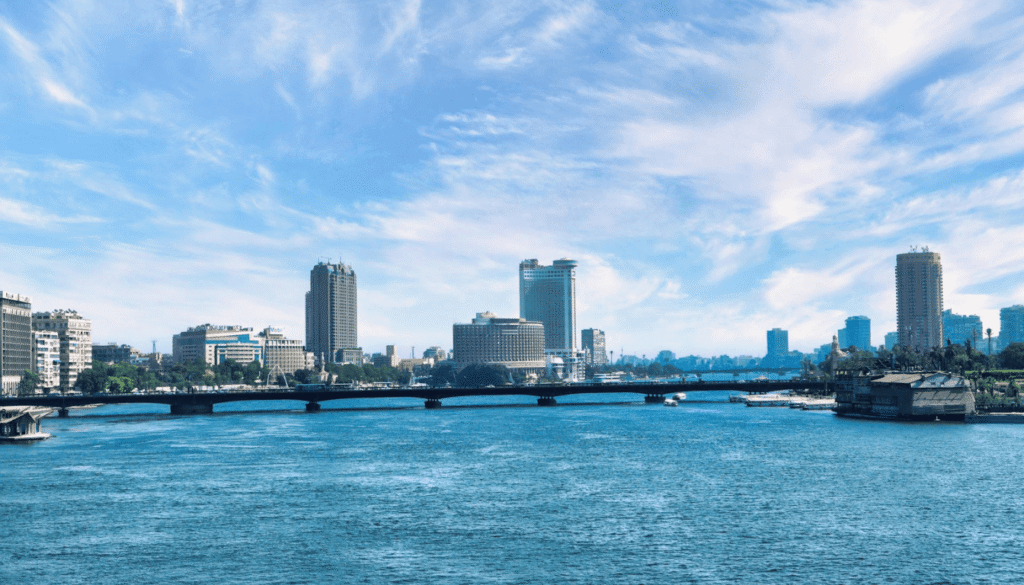
Unlocking the Land of Pharaohs Without the “Tourist Tax”
Picture this: you’re standing at the foot of the Great Pyramids, the morning sun painting the ancient stones in shades of gold, and you’ve just paid a fraction of what other travelers shelled out to get there. That’s the magic of moving through Egypt like someone who actually lives here—and trust me, it’s entirely possible once you know the ropes.
Egypt has this incredible ability to make you feel like you’ve stepped into another world, and here’s the beautiful secret: experiencing that wonder doesn’t require draining your bank account. From steaming plates of koshary that cost less than a coffee back home to Nile cruises that won’t break the budget, this ancient land rewards those who travel smart. The best 5 tips about how to get around Egypt like a local involve understanding the transport system, embracing technology, learning key phrases, choosing the right neighborhoods, and moving with the confidence of someone who belongs.
Now, let’s address the elephant in the room—yes, there’s a dual pricing reality in 2025 and 2026. Foreigners often pay different fares than Egyptians, especially on trains and at tourist sites. But here’s the thing: with the right approach and planning, you can navigate transportation in Egypt while saving anywhere from 30% to 400% compared to those who just wing it or rely solely on tourist services.
The core advice? Moving “like a local” means traveling with intention rather than impulse. bargaining patiently without aggression, and most importantly, doing your homework before you arrive. When you get around Egypt with this mindset, the whole experience transforms from a series of transactions into genuine connections.
“Tap here and learn more about 15 Things You Wish You Knew Before Visiting Egypt.”
Logistics & Connectivity: The Digital Foundation
Before we dive into the actual getting around part, let’s talk about staying connected—because in 2026, your smartphone is genuinely your best travel companion in Egypt.
Must-Have Apps for 2026
Transport Apps: Download Uber and Careem before you land. Uber gives you cashless convenience and safety through GPS tracking, while Careem is the Middle East favorite that often has more drivers in certain neighborhoods. For intercity train bookings, 12Go is your friend—it handles the foreigner fare system so you don’t have to figure it out at a crowded station window.
Navigation Tools: Google Maps works beautifully in Egyptian cities, but here’s a pro tip that’ll save you countless headaches: download offline maps of Cairo, Luxor, Aswan, and Alexandria before you leave your hotel WiFi. Maps.me is another excellent backup that works entirely offline and includes detailed walking paths through the medinas.
Communication: Google Translate and SayHi Translate are essential for Egyptian Arabic, which has its own delightful quirks compared to Modern Standard Arabic. Even just showing your phone screen with a translated phrase can open doors and smiles.
The SIM Card Secret
The moment you clear customs at Cairo International Airport, head straight to the arrivals hall where you’ll find official kiosks for Vodafone, Orange, and Etisalat. A tourist SIM with generous data (think 20-40GB) costs around 200-300 EGP (roughly £5-7) and will keep you connected for your entire trip. Don’t skip this step—having reliable mobile data transforms how you travel in Egypt, making it infinitely easier to get around Egypt without constantly hunting for WiFi.
Power Specs
Quick technical note: Egypt runs on 220V/50Hz electricity with Type C and Type F sockets (the European-style two round pins). Bring a universal adapter if your devices use different plugs.
Getting Around: The Ultimate Egyptian Transportation Matrix
Here’s where we get into the heart of smart travel in Egypt. Understanding your options is half the battle, so let’s break down each transport type with the kind of detail that’ll have you moving like you’ve lived here for years.
Cairo Metro: The Traffic-Beating Champion
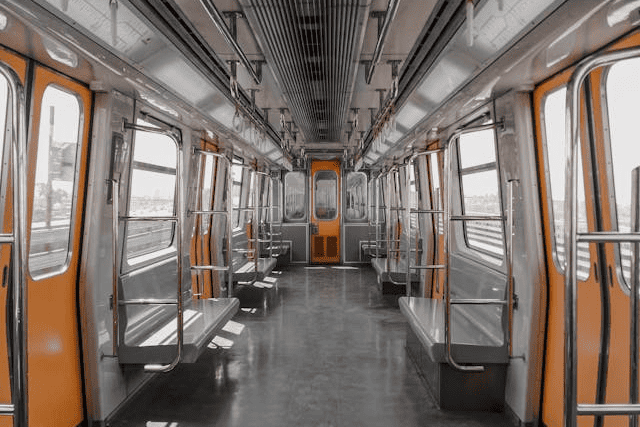

Best For: Avoiding Cairo’s legendary traffic jams and crossing the city quickly during rush hour.
Estimated Cost: Ridiculously cheap at 5-7 EGP per ride (that’s £0.15-0.30). You might spend more on a bottle of water.
Top Local Tip: The first two cars on every train are designated “Women Only” during certain hours. Female travelers will find these carriages more comfortable, especially during crowded commute times. The metro is clean, efficient, and covers major tourist areas including Tahrir Square and Old Cairo.
Uber and Careem: Your Safety Net
Best For: Late-night travel, airport transfers, and peace of mind.
Estimated Cost: £1.50-8 (20-150 EGP depending on distance). A ride across central Cairo typically runs 40-60 EGP.
Top Local Tip: When you arrive at the airport, skip the chaos of street taxi drivers calling out prices. Walk past them with purpose and request your Uber or Careem from the designated pickup area. Choose Uber Comfort if you want extra space and a newer vehicle. The beauty of these apps is that the price is set before you get in—no bargaining, no surprise detours, and you have GPS tracking for safety.
“Explore Egypt Freely, Rent a Car and Travel Like a Local.”
Microbus: The Budget Speed Demon
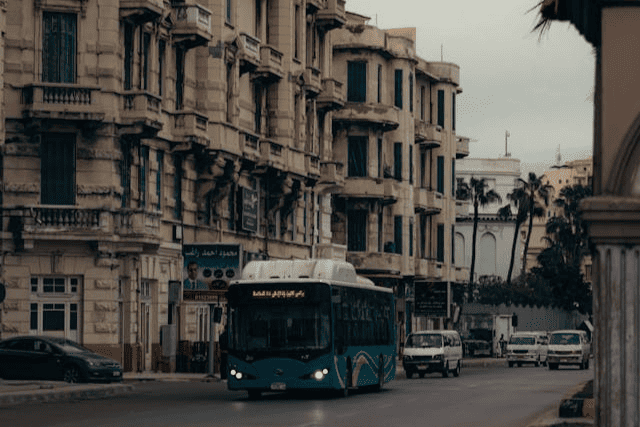
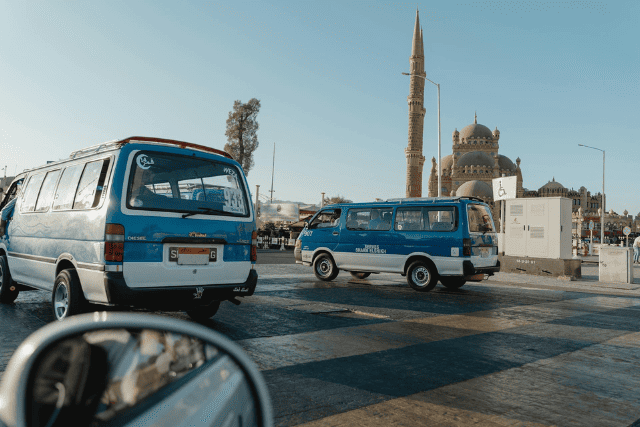
Best For: Short to medium distances when you want to travel on a serious budget.
Estimated Cost: Incredibly cheap—often just 5-10 EGP for routes that would cost 50+ EGP in a taxi.
Top Local Tip: Microbuses (those white minivans you’ll see everywhere) use a subtle hand signal system. To catch one heading toward the Pyramids area, point your finger downward while standing at the roadside. Locals call this the “Pyramid signal.” Pay the driver or his assistant when you board, and say your destination clearly. They’ll let you know if they’re heading that way.
First Class Train: Intercity Comfort
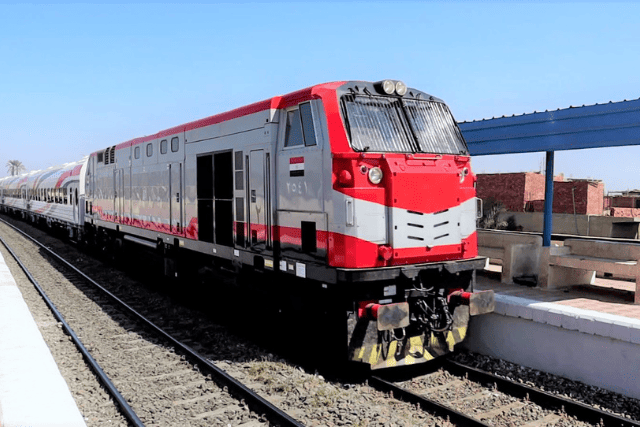
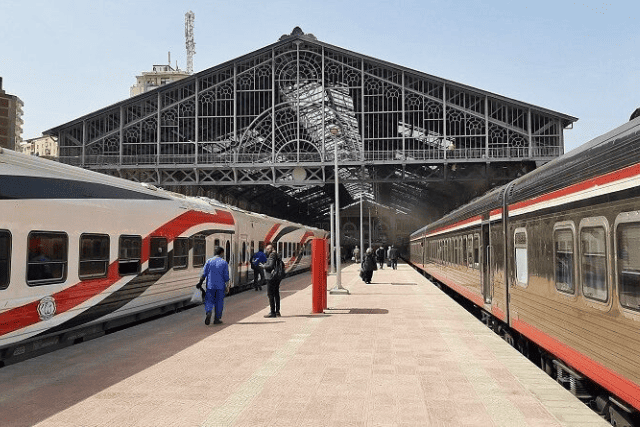
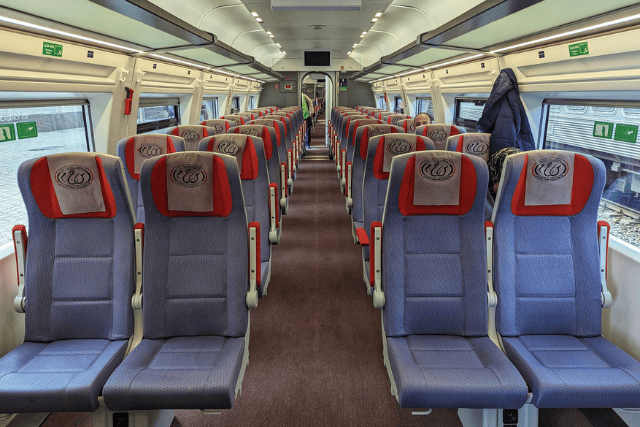
Best For: The journey between Cairo, Luxor, and Aswan when you want to sit back and watch the Nile Valley roll past your window.
Estimated Cost: £8-25 for foreigners, though locals pay significantly less.
Reality Check: The law requires foreigners to purchase special tourist fares on Egyptian National Railways, which cost 300-400% more than what Egyptians pay. This isn’t a scam—it’s official policy. The good news? Even at these rates, train travel remains cheaper than domestic flights for some routes, and the scenery is unbeatable.
Domestic Flights: Time-Savers for Long Hauls
Best For: Cairo to Luxor, Cairo to Aswan, and other long-distance routes when time matters more than budget.
Estimated Cost: £35-120 depending on how far in advance you book and which airline you choose.
Smart Strategy: EgyptAir and other carriers often run promotions. If you’re planning to hit multiple cities, sometimes a flight makes more sense than spending 10+ hours on a train, especially when you factor in the value of your vacation time.
“Fly Across Egypt with Ease, Book Your Domestic Flight Now.”
Intercity Rail: Navigating the System with Confidence
Let’s get practical about train travel, because this is where many visitors feel lost—and where smart planning pays off dramatically.
The Egyptian National Railways system connects all major cities, and for travelers wanting to get around Egypt efficiently, trains offer a comfortable middle ground between buses and flights. However, there’s a specific system in place for foreign visitors that you need to understand.
The Foreigner Fare Reality
Egyptian law requires foreign passport holders to book designated tourist tickets on most intercity routes. Yes, you’ll pay more than the locals standing next to you in line. But trying to purchase or use local-fare tickets can lead to uncomfortable situations with ticket inspectors and potential fines. The system exists, it’s official, and working with it rather than against it makes your life easier.
Booking Your Tickets the Smart Way
Here’s where it gets interesting: the official Egyptian National Railways website often doesn’t support online booking for foreigner fares, Your best options are:
- Use 12Go: This third-party platform handles foreigner bookings smoothly and shows you available trains with transparent pricing.
- Visit the Station Reservation Office: In major stations like Ramses Station in Cairo, there’s usually a dedicated foreigners’ ticket window. Arrive early, bring your passport, and the staff will sort you out.
- Book Through Your Hotel: Many hotels and guesthouses offer booking services for a small fee—worth it if you want to avoid the station crowds.
The Sleeper Train Experience
The overnight sleeper service between Cairo, Luxor, and Aswan deserves special mention. Operated by Abela Trains (a private company, not Egyptian National Railways), these trains offer dinner, breakfast, and private sleeping compartments. At around £60-80 per person, they’re pricier than day trains but cheaper than a hotel room plus flight, and you wake up at your destination with a full night’s sleep behind you.
Neighborhood Strategy: Where to Stay & Eat for Less
Getting around Egypt smartly isn’t just about transportation—it’s also about positioning yourself in neighborhoods where local life happens and costs stay reasonable.
Where to Sleep
Cairo: Downtown Cairo near Tahrir Square puts you within walking distance of the Egyptian Museum and metro stations. Zamalek, the island neighborhood in the Nile, offers a quieter vibe with excellent connectivity. Both areas have hostels, mid-range hotels, and apartments at prices that won’t make you wince.
Luxor and Aswan: Look for family-run guesthouses along the Nile. These often include breakfast, offer personal recommendations, and cost 30-50% less than the big riverfront hotels while providing just as much charm (often more). Many owners will help you arrange felucca rides or temple visits at fair prices.
“Welcome to your perfect stay in Egypt, book your Hotel now.”
Where to Eat: The Golden Trio of Budget Food

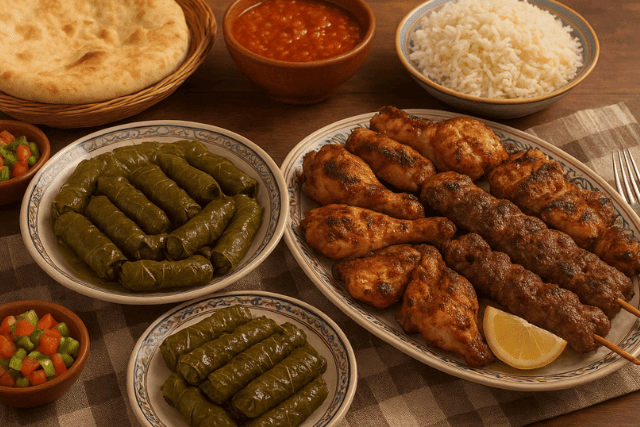

This is where travel in Egypt gets delicious and affordable simultaneously. Forget those overpriced hotel restaurants—the streets are where Egypt’s food magic happens.
Koshary: This is Egypt’s national dish and a complete meal in a bowl. Layers of rice, lentils, pasta, chickpeas, crispy fried onions, and tangy tomato sauce create something unexpectedly addictive. Koshary Abou Tarek in Cairo is the legendary spot, but honestly, almost any koshary joint will serve you a massive, filling portion for 20-30 EGP (under £1). That’s not a typo.
Falafel and Foul: The staple Egyptian breakfast consists of ta’ameya (Egyptian-style falafel made with fava beans) and foul medames (slow-cooked fava beans with olive oil, lemon, and spices). Head to local institutions like Kazaz or El Tabei El Domyati in Cairo for the authentic experience. A breakfast that’ll fuel you until dinner costs maybe 25-40 EGP.
Fresh Juice Stands: Every neighborhood has a juice stand pressing fresh orange, sugar cane, or mango juice. At 10-20 EGP per large glass, it’s refreshing, healthy, and infinitely better than anything bottled.
The pattern here? Eating where Egyptians eat means your daily food budget can easily stay under £5-8 while you feast like royalty. This strategy alone can save you hundreds over a typical two-week trip.
Language Hack: Essential Phrases to Light Up Every Interaction
You don’t need fluent Arabic to get around Egypt successfully, but knowing a handful of key phrases transforms your experience from tourist to welcomed guest. Egyptians genuinely appreciate any effort to speak their language, and these phrases work like social magic.
Opening Doors with Proper Greetings
“As-salaam aleykum” (Peace be upon you) is the universal greeting. The response you’ll hear is “Wa aleykum as-salaam.” This exchange, used with everyone from taxi drivers to shopkeepers, immediately establishes respect and warmth.
The Price Killers
When you’re at a market or negotiating transport, these phrases are pure gold:
“Beekam?” (How much?) – Your most-used phrase in Egypt. Say it with a smile, listen to the answer, and prepare to negotiate.
“La shukran” (No, thank you) – Pair this with placing your hand over your heart, and you’ve got the polite but firm way to decline persistent touts without creating offense. The hand-over-heart gesture shows respect while establishing your boundary.
“Minfadlak” (Please – to a man) or “Minfadlik” (Please – to a woman) – Politeness opens doors everywhere, but especially in Egypt.
Directional Commands for Taxis
These three words will make every taxi or microbus ride smoother:
- “Yameen” = Right
- “Shemal” = Left
- “Ala tool” = Straight ahead
Numbers for Negotiating Fares
Learn your numbers from 0-10, and you can negotiate any fare or purchase:
- 1 = Wahed
- 2 = Itneen
- 3 = Talata
- 5 = Khamsa
- 10 = Ashara
When a taxi driver says “khamsa w ashara” (5 and 10), he means 15 EGP. Understanding numbers gives you negotiating power and shows you’re not a complete newcomer.
Smart Travel Practices: Moving Through Egypt with Confidence
Beyond specific transport modes and language tricks, there are broader strategies that’ll make your Egyptian adventure smoother and more authentic.
Airport Navigation Made Easy
Egyptian airport security is thorough—you’ll go through multiple screening points, especially at Cairo International. Keep your printed hotel addresses ready in both English and Arabic (ask your hotel to provide this before arrival). Having this documentation makes immigration smoother and helps taxi drivers if your phone dies.
Booking Official Tickets Only
Whenever you’re buying transport tickets, attraction passes, or tour packages, go directly to official windows or recognized platforms like us. There’s sometimes individuals offering “fast-track” service or “special deals”—these range from overpriced to outright problematic. The few extra minutes waiting in an official line saves potential headaches.
The Five Pillars of Getting Around Egypt Like a Local
Let’s bring everything together into the five essential strategies that’ll transform your Egyptian transportation experience:
1. Master the Technology: Download Uber, Careem, 12Go, and Google Maps before you arrive. Get that local SIM card at the airport. Your smartphone becomes your translator, navigator, and safety device all in one.
2. Choose the Right Tool for Each Journey: Metro for crossing Cairo quickly. Uber for safety and clarity. Trains for scenic intercity travel. Domestic flights for long distances when time matters. There’s no single “best” way to get around Egypt—it’s about matching the transport type to your specific need.
3. Learn the Language Basics: Those dozen phrases we covered? Write them in your phone notes. Practice them in your hotel room. Use them confidently in real situations. The difference in how you’re treated is remarkable.
4. Position Yourself Strategically: Stay in neighborhoods with good transport connections and local restaurants. Downtown Cairo, Zamalek, and riverside guesthouses in Luxor and Aswan give you access to both tourist sites and real Egyptian life.
5. Move with Respectful Confidence: Dress modestly, greet people properly, bargain patiently, and trust your instincts. When you carry yourself like someone who belongs rather than someone who’s lost, everything from prices to interactions improves.
Practical Budgeting: What This Actually Costs
Let’s talk real numbers because transportation in Egypt tips only help if you understand the actual costs involved.
A budget-conscious traveler can genuinely move through Egypt on £30-50 per day, all-inclusive. That breaks down roughly to:
- Accommodation: £10-20 (budget hotel or hostel)
- Food: £5-10 (eating local meals)
- Transport: £3-8 (mix of metro, microbus, and occasional Uber)
- Attractions: £10-15 (varying by site)
If you’re comfortable spending more for comfort, £75-100 per day puts you in nicer hotels, allows for more Uber rides, and lets you enjoy sit-down restaurant meals without worrying about every pound.
The transportation element specifically becomes incredibly affordable when you follow these tips. Your daily transport costs in Cairo using metro and occasional Uber: maybe £3-5. A long-distance train from Cairo to Luxor in first class: £15-20. These aren’t budget-breaking numbers, especially compared to European or North American travel costs.
Best Timing for Budget Travel
While this guide focuses on getting around Egypt efficiently, timing matters for your overall costs. The shoulder seasons—March through May and September through November—offer the sweet spot of pleasant weather and lower prices. Hotels often charge 30% less than peak winter season, flights are cheaper, and tourist sites are less crowded, which means less time standing in lines and more time actually exploring.
Summer (June-August) brings brutal heat but rock-bottom prices if you can handle temperatures exceeding 30°C. Winter (December-February) is peak season when Europe escapes to Egyptian sunshine—everything costs more, but the weather is genuinely perfect.
FAQ: Quick Answers for Smart Travelers
FAQ: Quick Answers for Smart Travelers
When is the best time to visit Egypt on a budget?
Shoulder seasons from March to May and September to November offer the ideal combination of comfortable weather and lower prices. Hotels typically charge 30% less than peak winter rates, and you’ll find better deals on tours and internal transport.
How much should I budget per day to get around Egypt comfortably?
A budget traveler can manage beautifully on £30-50 per day (approximately 900-1,500 EGP), including accommodation, food, transport, and attractions. If you want more comfort and flexibility, £75-100 per day allows for nicer hotels and more Uber rides without constant budgeting.
Is Uber safe for solo female travelers in Egypt?
Yes, ride-hailing apps like Uber and Careem are widely considered safer than street taxis, particularly for solo travelers. The GPS tracking, driver profiles, and cashless payment system provide multiple layers of security. Many female travelers report feeling much more comfortable using these services.
What should I wear to respect local customs while staying comfortable?
Modest clothing covering shoulders and knees works best for both urban areas and mosques. Light, breathable fabrics in loose fits keep you cool while showing respect for Egyptian culture. This approach also leads to more positive interactions with locals.
Can I use Egyptian pound coins and small bills for microbuses and street food?
Absolutely—in fact, you’ll need them. Keep a supply of 5, 10, and 20 EGP notes for microbuses, street food, and small purchases. Larger bills can be difficult to break at small vendors, and having exact change makes transactions smoother.
The Final Word: Your Egyptian Adventure Awaits
Getting around Egypt like a local isn’t about becoming Egyptian—that would be both impossible and unnecessary. It’s about moving through this incredible country with awareness, respect, and smart strategies that let you experience more while spending less.
The ancient temples, the Nile at sunset, the call to prayer echoing across Cairo, the warmth of Egyptian hospitality—these experiences don’t require a massive budget. They require preparation, cultural sensitivity, and the willingness to step slightly outside your comfort zone.
When you master these five core strategies—staying connected through technology, choosing the right transport for each situation, speaking basic Arabic phrases, positioning yourself in smart neighborhoods, and moving with respectful confidence—Egypt transforms from a potentially overwhelming destination into an adventure where you feel genuinely capable and present.
The “tourist tax” exists, certainly. Dual pricing is real. But armed with the knowledge in this guide, you’re no longer the confused visitor paying ten times more than necessary. You’re the traveler who knows that a metro ride costs 5 EGP, that koshary is delicious and cheap, that “beekam?” and a smile open negotiations, and that Uber beats airport taxi touts every single time.
Egypt rewards travelers who do their homework. The country has been welcoming visitors for thousands of years—since long before the word “tourist” even existed. Approach it with curiosity rather than fear, preparation rather than assumption, and respect rather than entitlement, and you’ll find that getting around Egypt becomes not just manageable but genuinely enjoyable.
Your Egyptian adventure awaits, and now you know exactly how to move through it like someone who belongs. Safe travels, or as they say in Egypt, “Rihlah sa’eedah!”
“Tap here and book now Cairo Airport Arrival or departure transfer in Private Van.”