
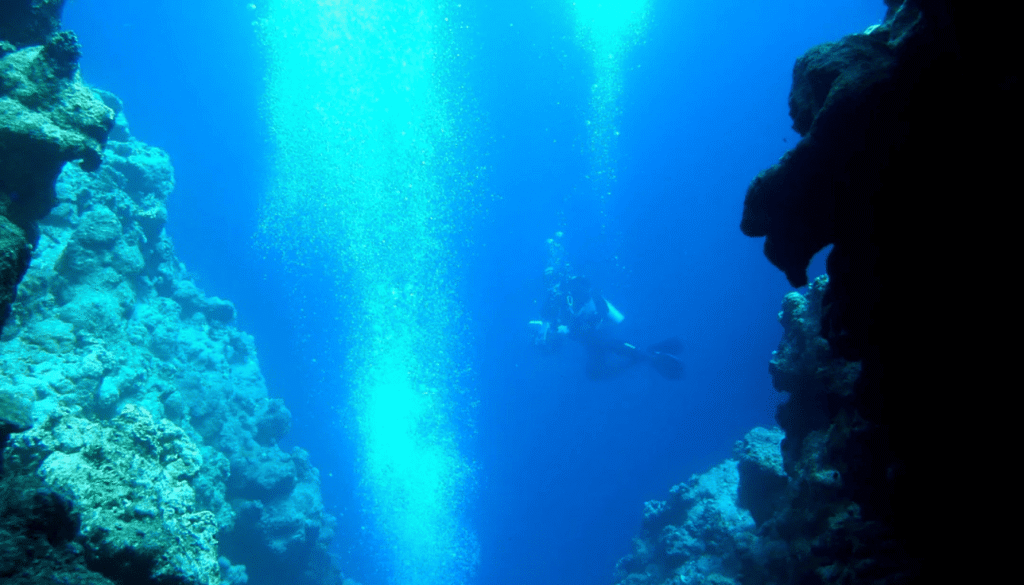
The Legend of Dahab’s Sapphire Abyss
Picture this: you’re standing on the edge of a natural wonder, looking down into water so impossibly clear it feels like you could reach out and touch the coral formations 30 meters below. The Blue Hole Dahab isn’t just another dive site—it’s a vertical cathedral carved by nature itself, plunging over 100 meters into the earth like a sapphire portal to another dimension.
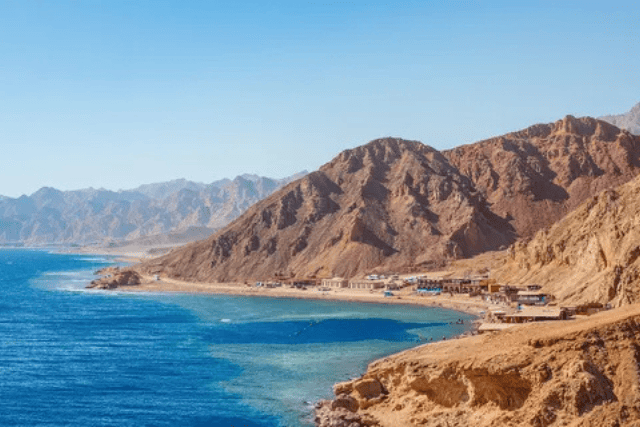
I still remember my first glimpse of this place. The desert road winds along the coast, and suddenly there it is—a perfect circle of deep indigo against the turquoise shallows of the Red Sea. Local Bedouins will tell you stories passed down through generations about this mysterious hole in the reef, and modern divers have added their own chapters to the legend. It’s earned a reputation that echoes through dive bars from Sydney to Stockholm, drawing adventurers who want to experience what many call the most mesmerizing underwater formation on the planet.
Located just north of Dahab in the Sinai Peninsula, this natural hole in the reef has become something of a pilgrimage site for the global diving community. The Blue Hole Dahab stretches roughly 130 meters across at its widest point, and when you peer over the edge, you’re looking into a vertical shaft that could swallow a 30-story building. The walls drop straight down, decorated with centuries of coral growth, creating an underwater gallery that seems to glow with an inner light when the sun hits it just right.
What makes this place truly special isn’t just the geology—it’s the feeling you get when you’re floating there, suspended between the surface and the deep. The Blue Hole has this magnetic quality that’s hard to describe until you’ve experienced it yourself. Maybe it’s the way the light plays through the water, or how the fish seem to dance in the columns of sunlight, or simply the profound sense of being in the presence of something ancient and powerful.
“Tap here to know more about The Shali Fortress: The Heart of Siwa’s Ancient Heritage.”
Practical Logistics: How to Get There & What it Costs?
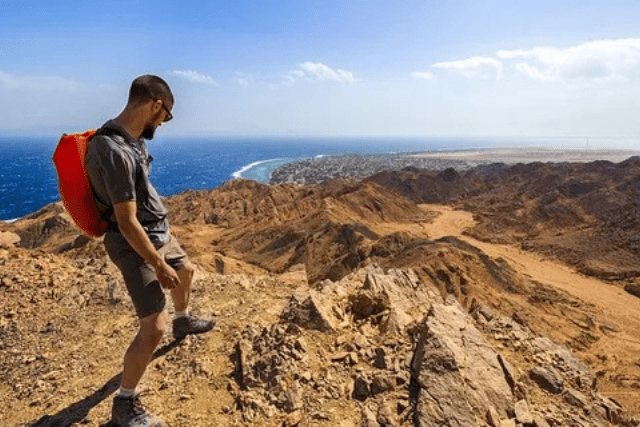
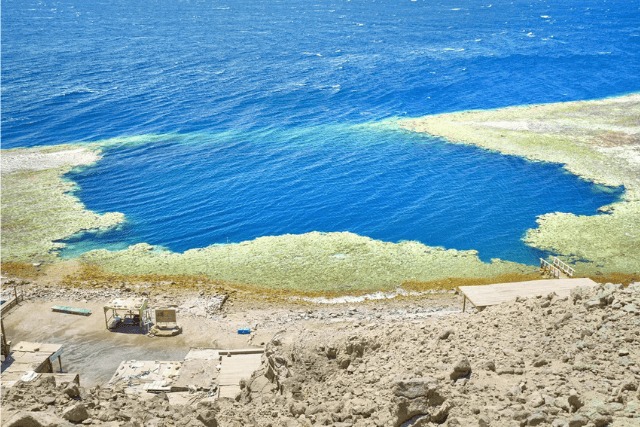
Getting to the Blue Hole Dahab is refreshingly straightforward, which is part of its charm. The site sits roughly 10 to 15 minutes north of Dahab town, accessible via a scenic desert drive that gives you your first taste of the Sinai’s stark beauty. Most visitors arrive through Sharm El-Sheikh airport, and from there, you’re looking at about an hour’s journey to Dahab. Taxis typically charge around $30 for the airport transfer, though it’s worth chatting with your accommodation in advance—many places offer pickup services or can connect you with reliable drivers.
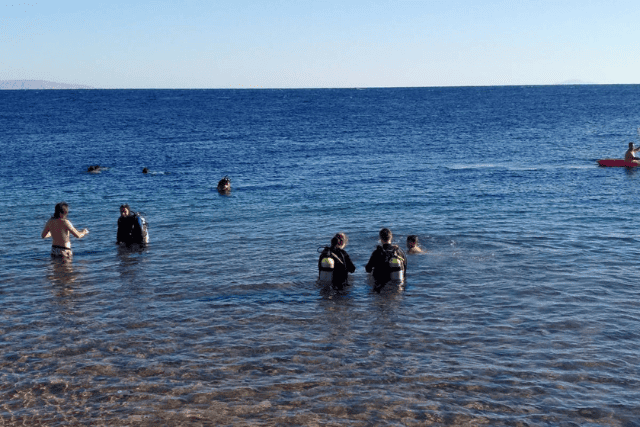
Once you’re settled in Dahab, the diving world opens up beautifully. Nearly every dive center in town runs daily trips to the Blue Hole, and since it’s a shore entry site, there’s none of that boat-rocking anxiety that some people experience. You literally walk into one of the world’s most spectacular dive sites wearing your fins. It’s the kind of access that makes experienced divers grin and shake their heads in disbelief.
Let’s talk money, because that matters when you’re planning your 2025 or 2026 diving adventure. A single guided dive at the Blue Hole Dahab typically runs between $30 and $35, which is remarkably reasonable for a site of this caliber. If you want the full experience—including all your gear, a knowledgeable guide who knows every coral formation by name, and transportation—expect to budget $60 to $80 for the day. Compare that to what you’d pay at famous dive sites world elsewhere, and Dahab suddenly looks like incredible value.
For those of you thinking about getting certified specifically for this trip, the numbers look good too. A PADI Open Water certification in Dahab costs approximately €285, while the Advanced Open Water runs around €200 to €225. These courses are taught by instructors who’ve logged thousands of dives in these exact waters, and there’s something special about learning to dive in a place where the conditions are this forgiving and the underwater scenery this spectacular.
The beauty of Dahab diving is that the infrastructure works smoothly without feeling corporate or rushed. Dive centers here have mastered the art of balancing professionalism with that relaxed vibe the town is famous for. Your guide will check your gear twice, brief you thoroughly, but won’t make you feel like you’re on a factory conveyor belt. It’s personal, it’s professional, and it’s all happening at a price point that lets you dive multiple times without emptying your savings account.
Diving Seasons: The 12-Month Calendar
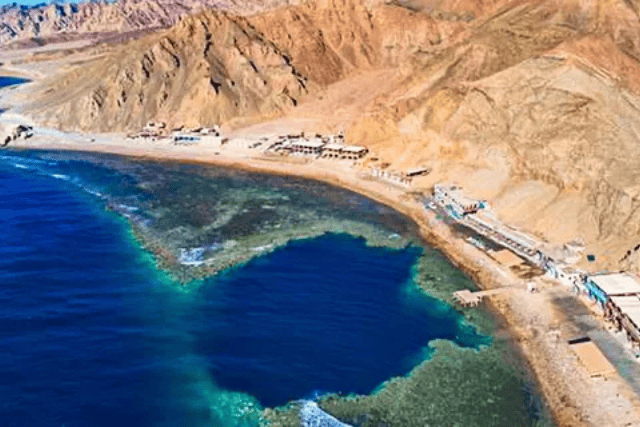
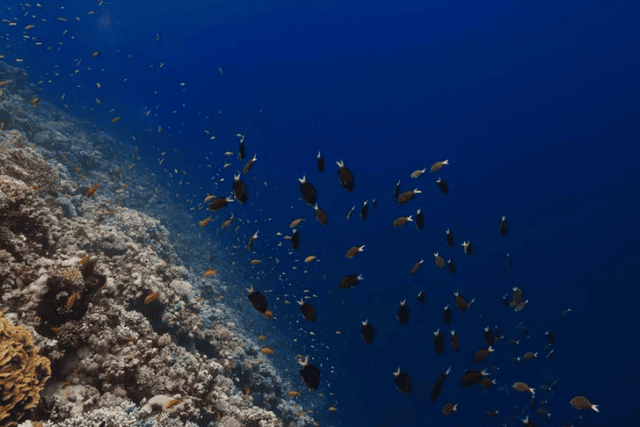
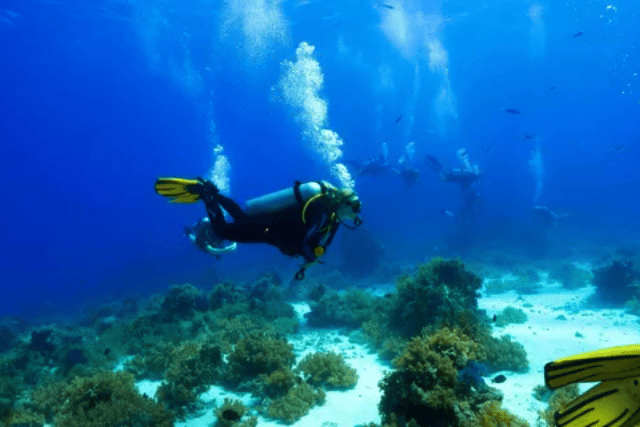
Here’s something that surprises a lot of people: the Blue Hole Dahab is genuinely diveable year-round. I’ve been there in blistering summer heat and cool winter mornings, and each season writes its own story in the water below. Understanding these seasonal rhythms helps you plan the perfect trip for what you’re hoping to experience.
The peak season runs from March through May and then picks up again from September to November. These months deliver what most divers consider the sweet spot—water temperatures hovering comfortably between 24°C and 27°C, gentle currents, and visibility that regularly stretches 30 to 40 meters. When conditions align during these periods, diving the Blue Hole feels like flying through liquid crystal. You can see the entire wall system spreading out below you, watch fish moving 20 meters away with perfect clarity, and understand why photographers pack their bags and head to Dahab during these windows.
Winter diving, from December through February, offers something different but equally appealing. The water cools to 20°C to 23°C, which sounds chilly but honestly feels refreshing rather than cold, especially with a decent wetsuit. What you lose in a few degrees of warmth, you gain in solitude and serenity. The crowds thin out considerably, and there’s something magical about having famous dive sites world mostly to yourself. I’ve had winter mornings at the Blue Hole where we were one of maybe three groups in the water—try finding that kind of space in summer.
Summer diving from June through August presents an interesting trade-off. Air temperatures soar past 40°C, which means the walk from the parking area to the water feels like crossing the surface of Mercury. But—and this is a big but—the water reaches its annual peak of 27°C to 29°C, and the marine life responds accordingly. Summer is when you’re most likely to spot dolphins cruising past the Blue Hole, when the pelagic fish move in closer to shore, and when the possibility of a shark sighting (usually harmless reef sharks) increases noticeably. The warmth also brings out more activity in the smaller creatures—nudibranchs, crabs, and the cleaning stations get busier.
Visibility at the Blue Hole Dahab remains consistently impressive throughout the year, but it peaks from August through October when you might experience 40-meter visibility days. During these magical periods, the entire structure of the site reveals itself in a single glance. You can see from the surface coral gardens down to where the walls fade into that deep blue void, and every detail of the reef system stands out in sharp relief.
The honest truth is that there’s no bad time to dive Dahab. Your ideal season depends on what you value most: perfect conditions and company (spring/fall), peaceful solitude (winter), or abundant marine life and bath-warm water (summer). The Red Sea doesn’t really do “off-season” in the way some destinations do—it just offers different flavors of excellent.
The Dive Experience: Famous Routes & Topography
Diving the Blue Hole Dahab isn’t a single experience—it’s more like choosing your own adventure in an underwater theme park designed by geological forces over millions of years. The site offers several distinct routes, each with its own character and appeal, and understanding your options helps you maximize what this incredible location has to offer.
The most famous route, and the one that gets divers talking excitedly in equipment rooms worldwide, is the journey from The Bells to the Blue Hole. This is advanced-level Dahab diving at its finest. You start at a site called The Bells, named for the bell-shaped cavern formations where light filters down through holes in the rock ceiling creating these ethereal, almost spiritual columns of illumination. From there, you descend through a vertical chimney shaft that drops you to about 28 to 30 meters depth.
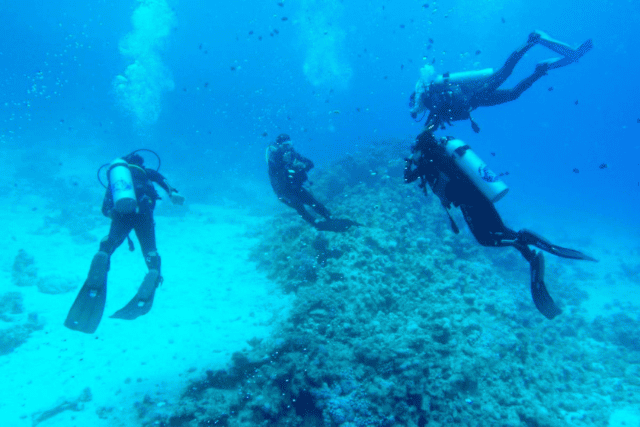
What happens next is pure magic. You emerge from this shaft onto a coral wall that seems to extend infinitely in both directions. The wall runs parallel to the shore, and as you begin your underwater flight along it, the scenery unfolds like a carefully curated gallery exhibition. Hard corals jut out at dramatic angles, soft corals wave gently in the slight current, and fish—so many fish—go about their business completely unconcerned by your presence. The wall gradually curves, and after about 15 to 20 minutes of swimming (depending on your air consumption and how often you stop to gawk), you arrive at the Blue Hole itself.
Approaching the Blue Hole Dahab from this angle gives you a perspective that few other sites in the world can match. One moment you’re cruising along a wall at 30 meters, the next you’re hovering at the edge of this vast vertical shaft where the bottom disappears into darkness far below. It’s humbling and exhilarating in equal measure.
For those looking for a more accessible entry point, The Saddle provides the perfect solution. This is a shallow section of reef—sitting at approximately 6 meters depth—that creates a natural bridge between the open sea and the interior of the Blue Hole. Recreational divers can cross this saddle easily, and it opens up the entire site to people at various certification levels. Swimming over The Saddle feels like passing through a gateway, and suddenly you’re inside the structure, looking up at the circular opening above and down into the blue-tinted depths below.
Once you’re in the main Blue Hole area, the diving becomes almost surreal. The walls here are absolutely covered with coral formations that have been growing undisturbed for decades. Sea fans spread out like delicate lace, brain corals create lumpy moonscapes, and everywhere you look, there’s life. Clownfish dart in and out of their anemone homes, completely unafraid of divers who’ve learned to approach respectfully. Groupers, some of them quite large, hang in the water looking prehistoric and wise. Schools of barracuda occasionally cruise past in formation, their silver bodies flashing in the sunlight that penetrates from above.
Sea turtles are regular visitors to the Blue Hole Dahab, and encountering one as it lazily paddles along the wall or surfaces for a breath is one of those moments that makes you grateful you learned to dive. They move with such grace and seem so perfectly adapted to this environment that you can’t help but feel like a clumsy guest in their living room.
The topography itself deserves attention beyond just the marine life. The Blue Hole is essentially a giant cylinder carved through the reef platform. The walls aren’t completely vertical—they’re slightly undercut in places and overhung in others, creating small caves and swim-throughs that add complexity to the structure. These features catch and channel light in beautiful ways, and photographers spend hours positioning themselves to capture the interplay of shadows and illumination.
What makes this particular site stand out among famous dive sites world is the accessibility combined with the drama. You’re experiencing genuine big-wall diving without needing a boat, complex logistics, or battling strong currents. It’s shore diving elevated to an art form, and the fact that you can do multiple dives in a day—morning dive, lunch break at a beachside café, afternoon dive—makes it perfect for people who want to maximize their time underwater.
The visibility at the Blue Hole enhances everything. On good days, you can see the entire structure from certain vantage points. Position yourself at 20 meters on the wall, look up, and you’ll see the circular opening to the surface with the sun streaming through. Look down, and the walls fade into that deep blue infinity that gives the site its name. Look across the diameter of the hole, and you can see the far wall clearly—maybe spot another group of divers exploring their section of the reef.
Divers vs. Snorkelers: Who Can Visit?
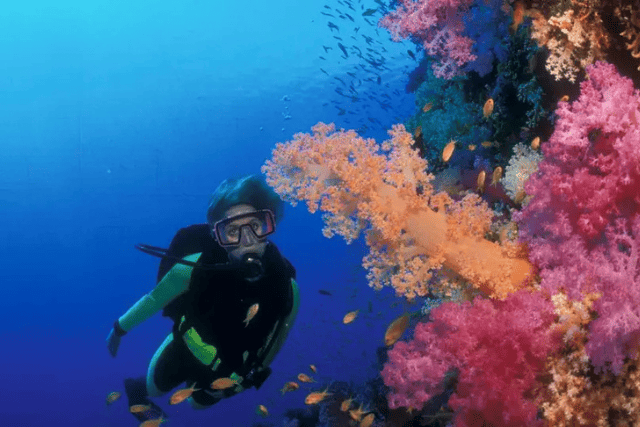
One of the most appealing aspects of the Blue Hole Dahab is its accessibility to people across the entire spectrum of water confidence and certification levels. This isn’t some exclusive site that demands technical credentials or years of experience—though it certainly rewards those things. It’s a place where everyone from first-time snorkelers to world-class technical divers can find something that matches their abilities and exceeds their expectations.
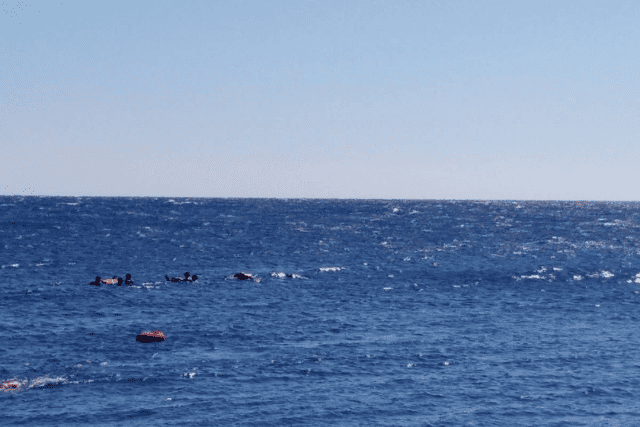
Let’s start with the snorkelers, because you absolutely do not need to be a diver to experience the magic of this place. The shallow rim of the Blue Hole sits in water just a few meters deep, and the coral formations here are pristine and packed with life. Float on the surface with your mask and snorkel, and you’re looking down into one of nature’s most impressive aquariums. The visibility means you can see deep into the hole—not to the bottom, obviously, but far enough to get that thrilling sense of the abyss below you.
Snorkeling here provides something that’s actually quite rare: the combination of shallow-water reef life and the psychological thrill of hovering over depth. You’ll see schools of colorful reef fish going about their business in the shallows, observe the coral polyps extending and retracting, and maybe spot a turtle coming up for air. The experience costs almost nothing if you have your own gear, and many cafés right at the site rent equipment for a few dollars. It’s perfect for families where some people dive and others prefer to stay near the surface, or for anyone who wants to preview what lies beneath before committing to certification.
For newly certified recreational divers—those with their Open Water credentials—the Blue Hole Dahab offers an ideal environment to build confidence and experience. The shore entry means no nerve-wracking backward rolls off rocking boats. The walls start shallow and gradually deepen, so you can descend at your own pace. Your guide will typically take Open Water divers along the rim and upper walls, staying well within the 18-meter certification limit, and this provides more than enough scenery and marine life to fill multiple dives.
I’ve watched countless new divers emerge from their first Blue Hole experience with huge smiles and a string of superlatives. The combination of clear water, abundant life, and dramatic topography makes you feel like a competent, confident diver even when you’re still working on your buoyancy control and air consumption. It’s a forgiving environment that still delivers world-class diving.
Advanced Open Water divers and those with additional certifications unlock even more of what the site offers. With training to 30 meters, you can do the full Bells-to-Blue-Hole route, explore the deeper sections of the walls, and spend time at depths where some of the larger fish hang out. The difference between diving at 15 meters and 30 meters at this site is significant—you get different coral species, different fish behavior, and a different perspective on the structure itself.
For technical divers, the Blue Hole Dahab represents something special in the global diving community. These are the folks using helium-rich gas mixes, multiple tanks, and specialized training to explore depths beyond recreational limits. The attraction here is obvious: you can dive deep in incredibly clear water with excellent facilities and experienced local support. Technical divers come from around the world specifically to dive the deeper sections of the Blue Hole, and the international technical diving community has established protocols and practices here that make it one of the better-supported technical sites globally.
What’s particularly clever about how Dahab diving has evolved is that all these different user groups can visit the same site on the same day without interfering with each other. Snorkelers stay on the rim, recreational divers work the walls at their certified depths, and technical divers plan their dives for different times or different sections. Everyone gets to experience the Blue Hole Dahab according to their training and comfort level, and everyone comes away feeling like they’ve visited somewhere truly special.
The social aspect deserves mention too. After your dive or snorkel, people gather at the on-site facilities—simple but comfortable areas with seating, shade, and usually some kind of refreshment available. You’ll hear conversations in a dozen languages, swap stories with divers from other continents, and get tips about other sites around Dahab worth exploring. This informal community vibe is part of what makes the place memorable beyond just the underwater experience.
If you’re planning a trip and wondering whether your certification level or lack thereof will limit your enjoyment, let me be clear: everyone can have a meaningful experience at the Blue Hole Dahab. The site naturally accommodates all skill levels, and the local diving community has decades of experience making sure people dive within their limits while still having the time of their lives.
Conclusion: The Dual Nature of the Blue Hole
After all these words about routes and seasons, gear and guides, there’s still something almost impossible to fully capture about what makes the Blue Hole Dahab such a magnetic destination. It’s one of those places that changes how you think about the planet we live on—the forces that shaped it, the life that fills every available niche, and our own small place in that grand story.
The site has earned its status among famous dive sites world not through marketing or hype but through the accumulation of countless individual experiences. Every diver who descends along those walls, every snorkeler who floats above that blue void, comes away with their own version of the story. Some people are moved by the pure aesthetics—the play of light through water, the architectural grandeur of the reef structure. Others connect more with the living ecosystem, marveling at the complexity and interconnection of the marine life. Still others find something almost spiritual in the experience, that sense of being simultaneously insignificant and deeply connected to something larger than themselves.
What strikes me most, having dived around the world and visited many of the sites that appear on “must-dive” lists, is how the Blue Hole Dahab manages to be both accessible and extraordinary. There’s no contradiction there—the fact that you can walk to it from a beachside café doesn’t diminish its grandeur. If anything, the ease of access makes it more remarkable. This isn’t some remote destination requiring expedition-level planning and resources. It’s right there, waiting, and the only real barriers to experiencing it are the ones we create for ourselves.
The site rewards return visits in a way that few locations do. Your first dive here might be overwhelming—so much to process, so many new sensations and sights. The second dive lets you relax into the experience, notice the details you missed initially. By the fifth or tenth visit, you start to see patterns in the marine life, recognize individual fish, understand how the light changes through the day and seasons. Some people come back year after year, and the Blue Hole becomes a kind of touchstone, a place to measure personal growth and remember why they fell in love with diving in the first place.
The future of the Blue Hole Dahab looks bright, supported by a local community that understands the value of conservation and sustainable tourism. The dive centers here have a vested interest in protecting these waters, and you can see evidence of that commitment in their practices and education. There’s a growing awareness of marine protection, careful management of the number of divers at any given time, and genuine respect for the ecosystem that makes all of this possible.
For anyone considering a visit, my advice is simple: come with respect, dive within your limits, and allow yourself to be amazed. Whether you’re snorkeling on the rim or exploring the deep walls, whether this is your first dive trip or your hundredth, the Blue Hole Dahab has something to offer you. It’s a place that deserves its reputation, lives up to its legend, and somehow still manages to surprise you with moments of unexpected beauty and grace.
The Red Sea has been attracting explorers and adventurers for millennia, and the Blue Hole represents perhaps the most accessible window into why this body of water has captivated human imagination for so long. It’s a reminder that the planet still holds genuine wonders, that the natural world can still take our breath away, and that sometimes the most extraordinary experiences are the ones we can share with people from around the world, united by wonder and respect for the world beneath the waves.
So pack your gear, book your flight, and prepare yourself for something special. The Blue Hole Dahab is waiting, that perfect circle of deep blue water reflecting the sky, the walls alive with color and movement, the whole structure humming with life and light. It’s been there for thousands of years, it will be there long after we’re gone, and for a brief, precious moment, you get to be part of its story. That’s not just diving—that’s connection, discovery, and transformation all wrapped up in one unforgettable experience.
“Tap here and book now Hotels in Dahab, Your Red Sea Escape.”