
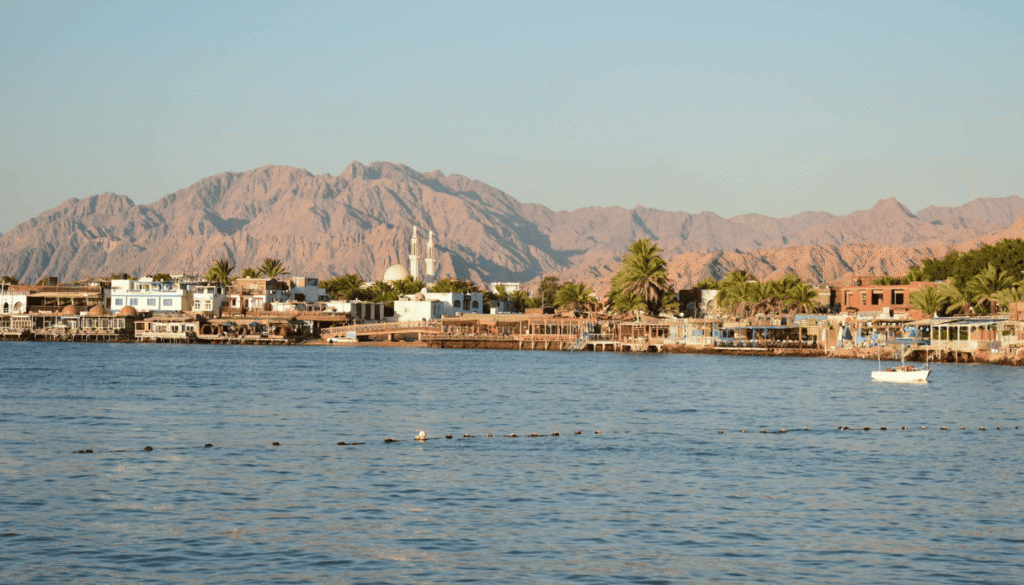
Egypt’s 1,800km Coastline Explored
Picture this: you’re standing on powder-soft sand, crystal-clear turquoise water lapping at your feet, and the entire beach stretch costs you less than your morning coffee back home. Sounds like a travel brochure exaggeration? Welcome to Egypt’s coastline—a 1,800-kilometer ribbon of beaches that travelers are finally waking up to.
Most people associate Egypt with pyramids, sphinxes, and ancient temples. And sure, those are incredible. But here’s what the guidebooks don’t always shout about: Egypt’s beaches rival the Maldives in beauty while costing a fraction of the price. We’re talking pristine coral reefs, secluded coves carved between dramatic cliffs, and luxury resorts where your money stretches three times further than it would in Europe or the Caribbean.
The timing couldn’t be better either. In 2025, destinations like Sharm El Sheikh and Hurghada earned recognition as some of the lowest-cost luxury destinations globally. That means you get five-star treatment, world-class diving, and Instagram-worthy sunsets without the heart-stopping credit card bill. For budget travelers, you’re looking at around $25 per day. Mid-range comfort seekers can live it up for $40-50 daily. Even luxury travelers rarely crack $120 per day for accommodations that would cost triple elsewhere.
Here’s something worth knowing before you pack your swimsuit: Egypt essentially offers two distinct coastal experiences. The Red Sea coast—stretching from Hurghada down to Marsa Alam and across to Sharm El Sheikh—is your adventure playground. Think vibrant coral gardens, diving expeditions, and endless water sports. The Mediterranean coast up north offers something completely different: a more relaxed, culturally-rich experience with turquoise lagoons tucked between golden cliffs. Egyptian families flock here during summer to escape the scorching southern heat.
Ready to discover the best beaches in Egypt? Let me walk you through five spectacular destinations that have travelers booking return trips before they’ve even left.
“Tap here and learn more about Top 5 Historical Sites to Visit in Egypt Why Travelers Love.”
1. Sharm El Luli (Marsa Alam): The Egyptian Maldives
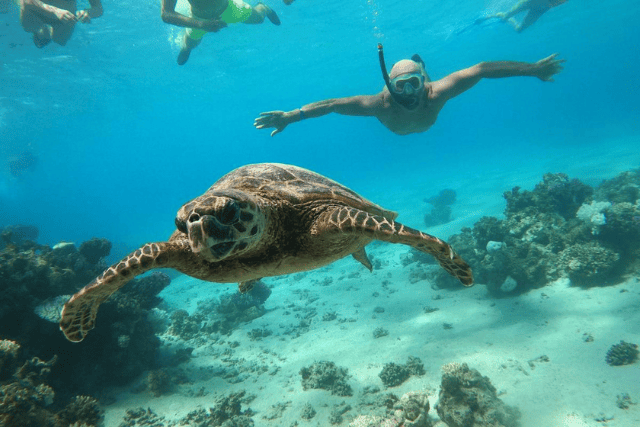
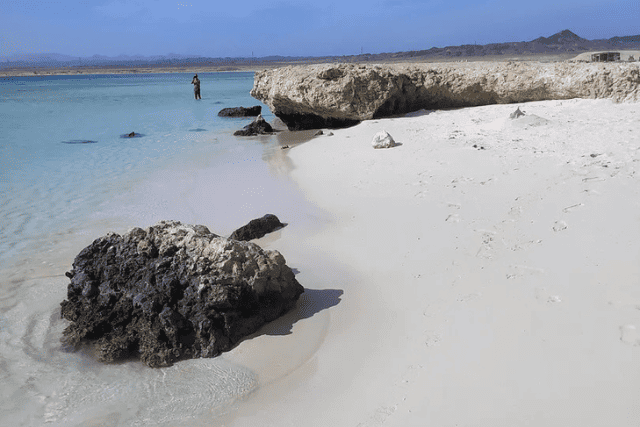
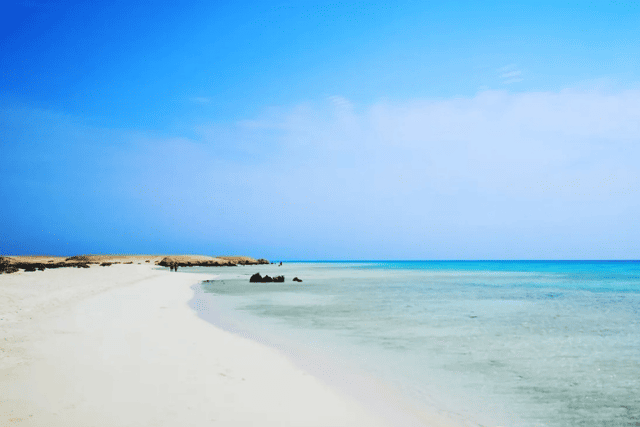
If someone told you they’d found a beach that looks exactly like the Maldives but without the crowds, overpriced resorts, or $500-a-night bungalows, would you believe them? Sharm El Luli is that place, and it’s very real.
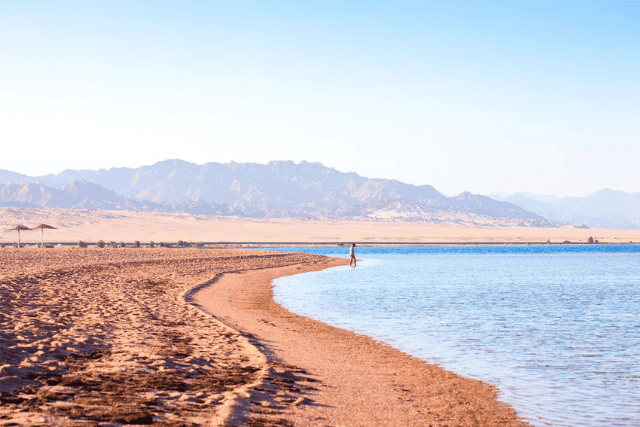
Located about 60 kilometers south of Marsa Alam, this beach has earned its nickname “The Egyptian Maldives” honestly. The water here glows in shades of turquoise and sapphire that look almost artificial in photographs. The sand is impossibly white and fine. And here’s the kicker: there’s virtually no infrastructure. No resort towers blocking your view. No beach clubs blasting music. No crowds fighting for loungers.
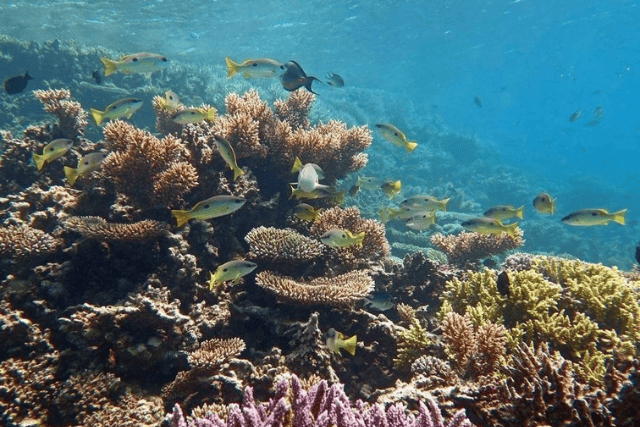
What makes Sharm El Luli truly special is what lies beneath the surface. Wade out just a few meters and you’ll find yourself floating above some of the healthiest coral reefs in the Red Sea. The snorkeling here isn’t just good—it’s world-class. Parrotfish, clownfish, and angelfish dart between coral formations while sea turtles glide past like they own the place (which, technically, they do).
The protected status of this area means the marine life thrives undisturbed. You’ll spot species here that have long abandoned more touristy spots. Bring your own snorkeling gear, water, and snacks because the only “facilities” are basic bathrooms and a small entrance fee booth. Most visitors consider this a feature, not a bug. There’s something magical about a beach that’s been left alone to simply be beautiful.
Getting here requires a bit of effort—usually a day trip from Marsa Alam—but that journey keeps the crowds manageable. The best time to visit is between October and April when temperatures hover in the perfect 25-30°C range. Summer months can push past 40°C, which sounds romantic until you’re actually standing in it.
2. Sahl Hasheesh (Hurghada): Where Luxury Meets Underwater History
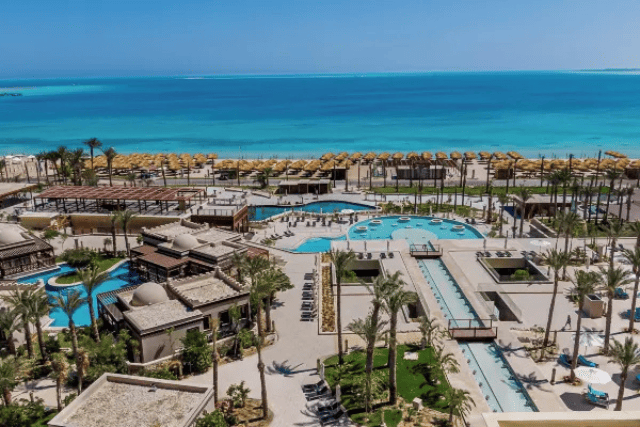
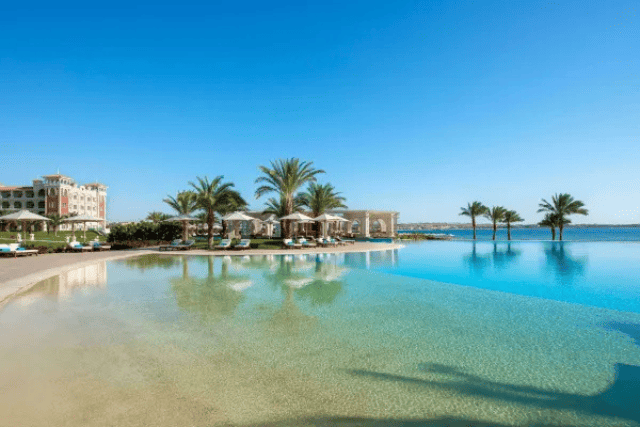
About 18 kilometers south of Hurghada’s bustling center, Sahl Hasheesh exists in its own sophisticated bubble. This isn’t your typical Egyptian beach resort. It’s a carefully planned oasis where everything from the architecture to the landscaping feels intentional and refined.
The beach itself stretches for 12.8 kilometers of uninterrupted golden sand. The water stays shallow for quite a distance, making it perfect for families with young children who want to splash around safely. But what really sets Sahl Hasheesh apart from other Egypt beach destinations is the underwater attraction that sounds too strange to be true: a submerged ancient city.
Well, sort of. The “Sunken City” is actually a modern art installation designed to look like Egyptian ruins beneath the waves. Columns, statues, and hieroglyphic-covered walls rest on the sandy bottom, creating an otherworldly snorkeling experience. Swimming through these submerged structures while schools of tropical fish weave around ancient-looking pillars feels like exploring Atlantis without the Jules Verne commitment.
Beyond the novelty, the coral reefs here are genuinely impressive. The protected bay means the underwater visibility regularly hits 30 meters—you can see further underwater than most people can on land during rush hour. Divers regularly spot rays, moray eels, and if you’re lucky, dolphins passing through.
The resort development here leans upscale without feeling stuffy. You’ll find several five-star hotels, a marina, championship golf course, and dining options that go well beyond the standard buffet experience. Yet despite all this luxury, the area maintains a peaceful atmosphere. Developers limited building heights and density, so you never feel like you’re in an overcrowded resort town.
Transportation is straightforward—Hurghada’s international airport is about 30 minutes away, and most resorts offer transfers. Once you’re here, everything you need is within the development. It’s the kind of place where you can unplug completely or stay as active as you want, but always with that gorgeous Red Sea as your backdrop.
“Tap here and enjoy with Luxury hotels and stays in Marsa Alam by the Red Sea.”
3. Dahab: The Blue Lagoon and Bohemian Beach Paradise
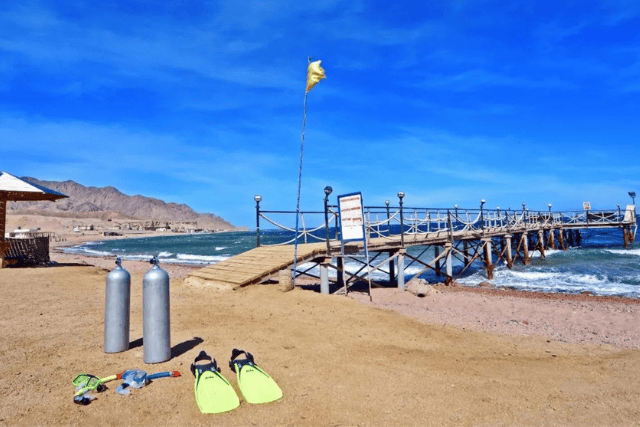
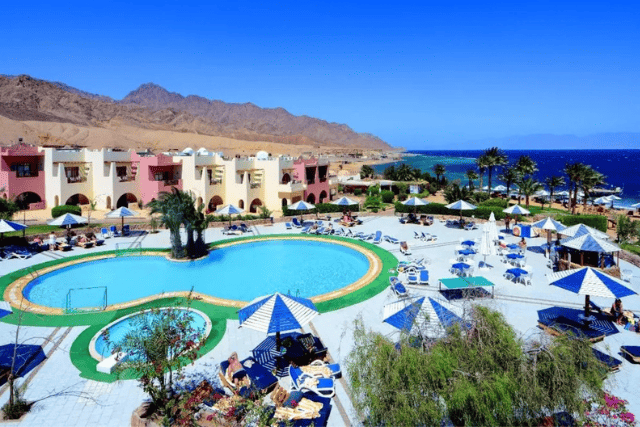
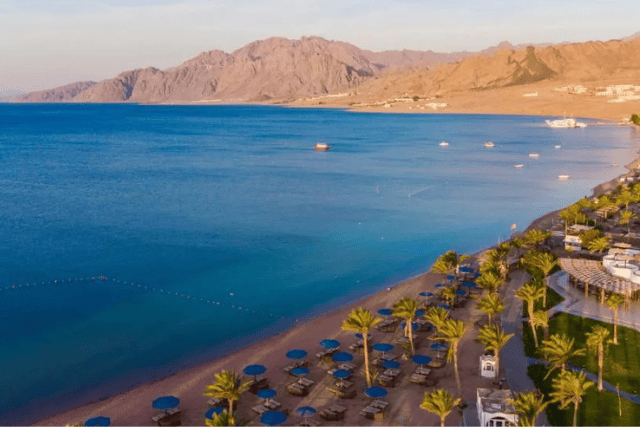
Dahab doesn’t try to be fancy, and that’s exactly why travelers fall in love with it. This former Bedouin fishing village on the Sinai Peninsula has evolved into one of the top beaches in Egypt for a very specific type of visitor: those who value authenticity, adventure, and affordability over resort luxuries.
The star attraction here is the Blue Lagoon, a protected shallow bay located about 10 kilometers north of Dahab town. The lagoon lives up to its name—the water glows in shades of azure and turquoise that change throughout the day as the sun shifts position. What makes this spot particularly special for water sports enthusiasts is the consistent wind conditions. Kitesurfers and windsurfers from around the world congregate here because the lagoon offers perfect conditions nearly year-round.
Getting to the Blue Lagoon feels like part of the adventure itself. You can hire a 4×4, take a boat, or—and this is genuinely an option—ride a camel along the coast. There’s minimal development, which means you’re experiencing the beach in its natural state. The coral reef sits close to shore, so snorkeling is spectacular without requiring any special equipment or boat trips.
Back in Dahab proper, the vibe is decidedly bohemian. The main strip along the waterfront mixes budget hostels with mid-range hotels, all facing the sea. Prices here remain remarkably low—you can find decent hostel beds for around $10 and private rooms for $20. The backpacker scene is strong, which creates a social, welcoming atmosphere in the beachfront cafes and dive shops.
Speaking of diving, Dahab is home to the famous Blue Hole, one of the world’s most renowned dive sites. This underwater sinkhole drops 130 meters into the depths and attracts divers from across the globe. While the Blue Hole has a reputation for danger (and deserves respect), recreational diving here with proper guidance offers an unforgettable experience.
The relaxed atmosphere extends to the town’s many restaurants and cafes, where you can eat fresh seafood while sitting on cushions right at the water’s edge. The phrase “Dahab time” exists for a reason—things move slowly here, and that’s precisely the point. This is one of the best beaches in Egypt if your idea of paradise involves morning dives, afternoon windsurfing, sunset shisha sessions, and conversations with fellow travelers from every corner of the planet.
“Tap here and book Full-day Royal Seascope and snorkeling cruise with lunch from Dahab.”
4. Agiba Beach (Marsa Matruh): Mediterranean Magnificence
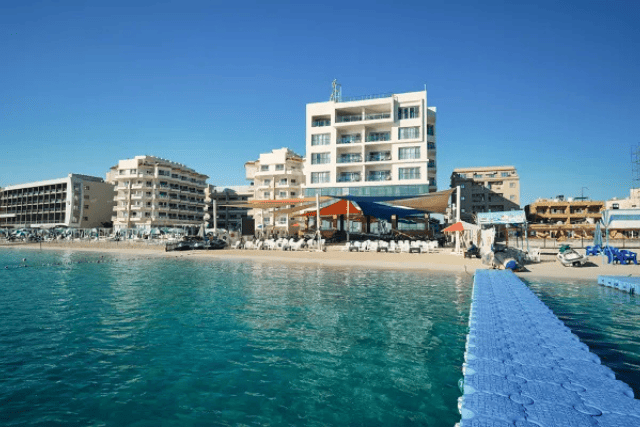
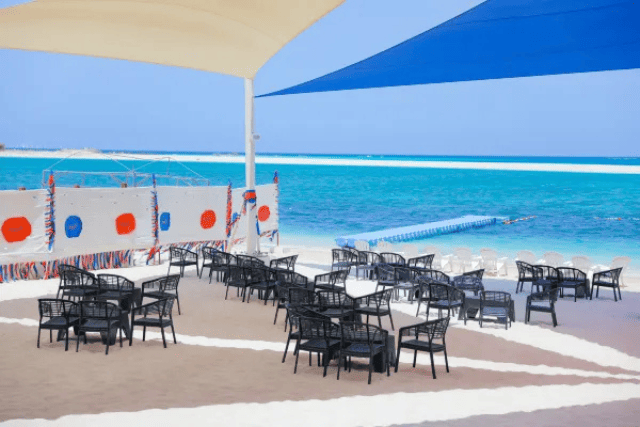
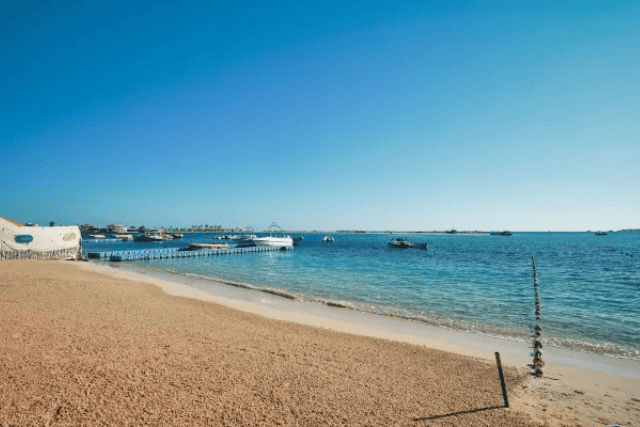
Now we head north to the Mediterranean coast, where the landscape and atmosphere shift dramatically. Agiba Beach, whose name translates to “miracle” in Arabic, sits about 24 kilometers west of Marsa Matruh. One look at this beach and you’ll understand why ancient Egyptians might have considered it miraculous.
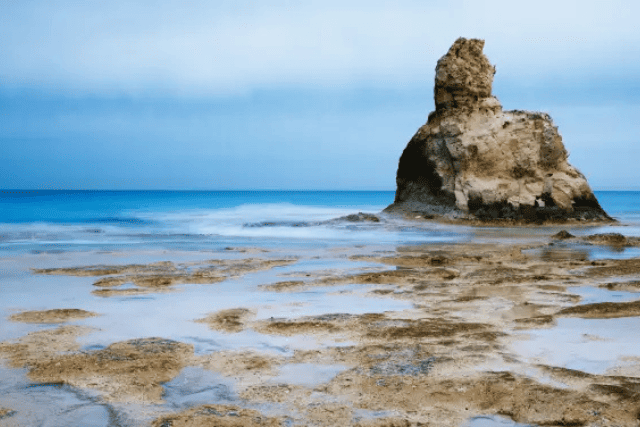
Imagine a crescent-shaped cove carved between towering golden limestone cliffs that glow orange during sunset. The water here isn’t the deep blue of the Red Sea but rather a luminous turquoise that seems to glow from within. The sand transitions from gold to white as it approaches the waterline, and the whole scene looks like it was designed by an artist with an unlimited palette.
Getting down to the beach requires descending a somewhat steep path cut into the cliffs—bring sturdy shoes and maybe skip this one if mobility is a concern. But that slight challenge keeps crowds manageable even during peak season. The effort is absolutely worth it once you’re standing on the sand looking up at those dramatic cliff walls.
Unlike the Red Sea destinations, Agiba isn’t about diving or coral reefs. The Mediterranean here is calmer, clearer, and perfect for swimming. The real attraction is the sheer natural beauty of the setting and the photography opportunities. The interplay of golden cliffs, turquoise water, and changing light throughout the day creates scenes that your camera will thank you for.
The surrounding area of Marsa Matruh represents authentic Egyptian beach culture. This is where Egyptian families come to vacation, which means you’re getting a genuine local experience rather than the international tourist scene. The city itself has a laid-back feel, with waterfront promenades, fresh seafood restaurants, and a pace of life that feels worlds away from Cairo’s intensity.
Culturally, Marsa Matruh offers something the Red Sea resorts sometimes lack: a sense of being somewhere deeply Egyptian rather than a generic beach destination. The nearby Roman ruins of Cleopatra’s Bath add a historical dimension to your visit. Local markets sell fresh dates, olives, and handicrafts without the aggressive tourist hustle you might encounter elsewhere.
Weather-wise, the North Coast shines during summer when temperatures are bearable compared to the 40-50°C heat in the south. Egyptians flock here from June through September, while foreign visitors often prefer the shoulder seasons of May or October when it’s less crowded but still beautifully warm.
5. Ras Um Sid (Sharm El Sheikh): Family-Friendly Cliffside Paradise
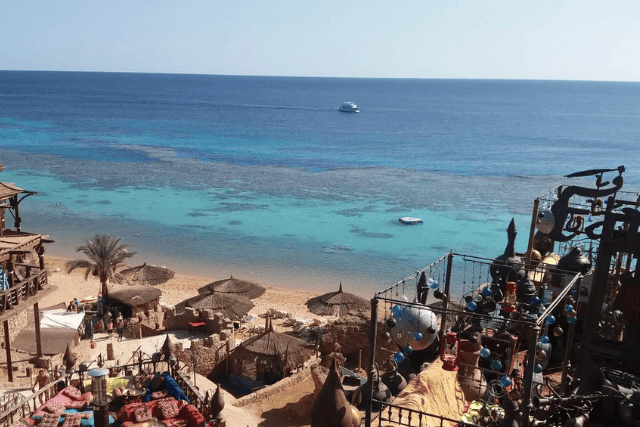
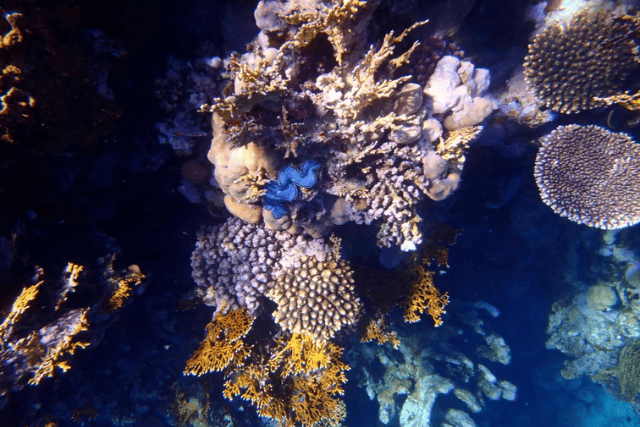
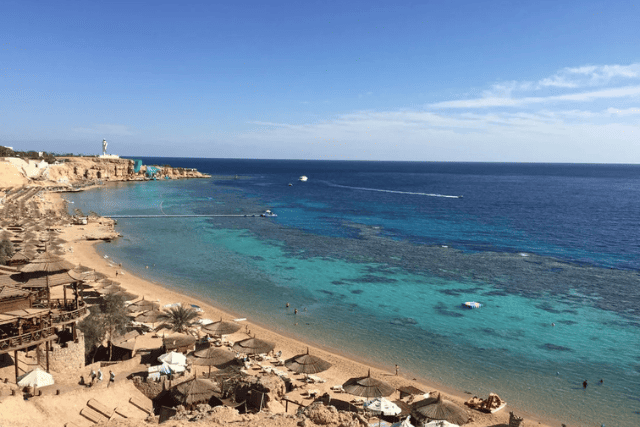
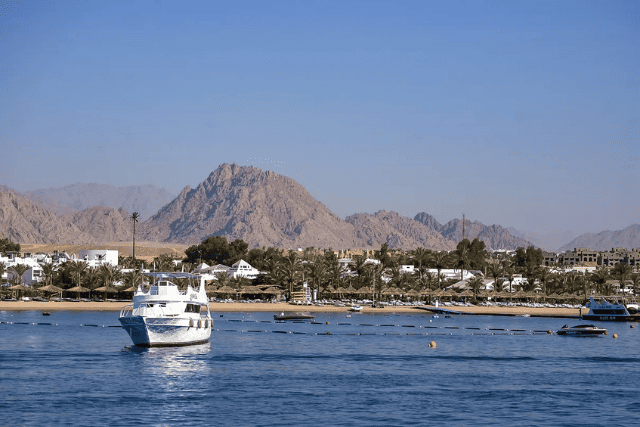
Rounding out our list is Ras Um Sid, a beach that perfectly represents why Sharm El Sheikh became one of the most popular Egypt beach destinations in the first place. Located on a small peninsula within Sharm, Ras Um Sid combines accessibility, stunning natural beauty, and fantastic marine life in one convenient package.
The beach sits at the base of dramatic cliffs, creating a protected cove that feels both intimate and spectacular. What makes this spot particularly family-friendly is the gradual entry into the water and the excellent snorkeling available right from shore. No need for boat trips or special arrangements—just grab your mask and fins and you’re exploring vibrant coral gardens within minutes.
The house reef here ranks among the best easily-accessible reefs in Sharm El Sheikh. Soft and hard corals create an underwater garden that extends down the cliff face beneath the water’s surface. Schools of colorful fish swarm the reef, and it’s not uncommon to spot larger species like rays and even reef sharks cruising the deeper sections.
Above water, the beach itself offers more facilities than our previous remote recommendations. You’ll find beach loungers, umbrellas, showers, and nearby cafes and restaurants. The Old Vic Pub, a British-style establishment perched on the cliff above, offers cold drinks and meals with spectacular views over the Red Sea. It strikes that perfect balance between having everything you need without feeling overdeveloped.
Sharm El Sheikh as a whole serves as an excellent base for exploring multiple beaches and diving sites. The city has evolved into a full-service resort destination with international hotels, restaurants serving every cuisine imaginable, and nightlife options ranging from beach clubs to traditional Egyptian entertainment. You’re never far from an ATM, pharmacy, or grocery store—conveniences that matter when you’re traveling with family.
The accessibility factor can’t be overstated. Sharm El Sheikh International Airport receives direct flights from Europe and the Middle East, making this one of the easiest top beaches in Egypt to reach. Most hotels offer airport transfers, and once you’re settled, local taxis and organized tours make exploring straightforward.
Water sports offerings are extensive here. Beyond snorkeling and diving, you can try parasailing, jet skiing, banana boat rides, and more. For families with teenagers or kids who get bored easily, having these options available makes a significant difference in vacation satisfaction.
“Book your perfect stay in Sharm El Sheikh, Stay and Explore Sharm’s Paradise.”
Practical Guide: Making Your Egyptian Beach Dream Real
When to Visit?
October through April represents the sweet spot for visiting Red Sea beaches. Temperatures hover comfortably between 25-30°C, the water stays warm enough for extended swimming and diving, and you’ll avoid the brutal summer heat. The Mediterranean coast operates on the opposite schedule—summer months (June-September) are ideal when Egyptians escape south and northern beaches come alive with local energy.
Avoid the Red Sea between June and August unless you thrive in 40-50°C temperatures. That level of heat isn’t just uncomfortable; it can be genuinely dangerous, especially during midday hours.
Budget Breakdown
One of the biggest draws of these Egypt beach destinations is affordability. Here’s what you’re realistically looking at:
Budget travelers can get by on $25 daily. Hostel beds in places like Dahab run around $10, street food and local restaurants cost $5-10 per meal, and many beaches require minimal entrance fees. Transportation via local buses keeps costs low.
Mid-range comfort typically costs $40-50 daily. You’re looking at private rooms for around $20, meals at decent restaurants for $10-15, and occasional splurges on organized tours or diving trips. This budget gets you comfort without luxury pricing.
Luxury seekers should budget $100-150 daily. Five-star hotels in Hurghada, Sharm El Sheikh, and Sahl Hasheesh average $106-122 per night. Add premium dining, spa treatments, and private diving excursions, and you’re still spending less than comparable experiences in Europe or Southeast Asia’s tourist hotspots.
Quick Answers to Your Beach Questions
Which beach is best for families?
Hurghada wins for family-friendly infrastructure. The combination of water parks, all-inclusive resorts, shallow swimming areas, and extensive kid-friendly activities makes it the easiest choice for parents. Ras Um Sid in Sharm El Sheikh runs a close second with its calm waters and accessible snorkeling.
Does Egypt have white sand beaches?
Absolutely, Sharm El Luli in Marsa Alam features powder-white sand that rivals any tropical destination. The North Coast, particularly around Agiba Beach, also offers stunning white sand against golden cliffs. Red Sea beaches tend toward golden sand, but the water quality more than compensates.
Can you swim year-round?
Technically yes, but practically you’ll want to time it right. Red Sea swimming is best from October through April when temperatures are pleasant and water visibility peaks. Mediterranean beaches shine during summer months (June-September). Swimming during summer in the south or winter in the north is possible but less comfortable.
Is Egypt safe for beach holidays?
Tourist areas like Hurghada, Sharm El Sheikh, and Marsa Alam maintain high security standards with visible police presence and resort security. These destinations depend on tourism revenue, so safety remains a top priority. Standard travel precautions apply: don’t flash expensive items, stay aware of your surroundings, and follow local advice.
What’s the difference between Red Sea and Mediterranean beaches?
Red Sea beaches offer incredible diving, vibrant coral reefs, water sports, and year-round warm water. They cater to international tourists seeking adventure and underwater experiences. Mediterranean beaches provide a more traditional beach experience with calmer waters, dramatic coastal scenery, and authentic Egyptian cultural immersion. Red Sea is for doing; Mediterranean is for being.
Your Egyptian Beach Adventure Awaits
These five beaches represent just the beginning of what Egypt’s extraordinary coastline offers. From the secluded paradise of Sharm El Luli to the social buzz of Dahab, from the upscale sophistication of Sahl Hasheesh to the dramatic beauty of Agiba Beach, and the family-friendly convenience of Ras Um Sid—each destination delivers something unique.
The best beaches in Egypt aren’t trying to copy the Caribbean or compete with Southeast Asia. They offer something distinctly their own: ancient history meeting pristine nature, adventure combining with affordability, and genuine cultural experiences wrapped in stunning natural beauty.
Whether you’re a budget backpacker content with a Dahab hostel, a luxury traveler seeking five-star Red Sea resorts, or a family wanting safe swimming and easy logistics, Egypt’s beaches deliver without the price tags of more famous destinations. The fact that you can swim with sea turtles, explore underwater ruins, and watch the sunset over golden cliffs—all in one trip—makes Egypt beach destinations some of the Mediterranean and Red Sea’s best-kept secrets.
The word is getting out, though. These spots won’t stay affordable and relatively uncrowded forever. The time to explore the top beaches in Egypt is now, while they still offer incredible value and authentic experiences. Pack your swimsuit, book those flights, and discover why travelers who visit Egypt’s coastline almost always come back for more.
Your Egyptian beach story is waiting to be written. The only question is which of these five spectacular destinations will be your first chapter?