
Why Egypt’s Magic Requires Smart Preparation?
Before you plan your next adventure, discover the essential Things you’ll Wish you knew before you Visit Egypt. This timeless destination offers culture, history, and surprises at every turn. Make your journey smoother and more memorable with these must-know insights.
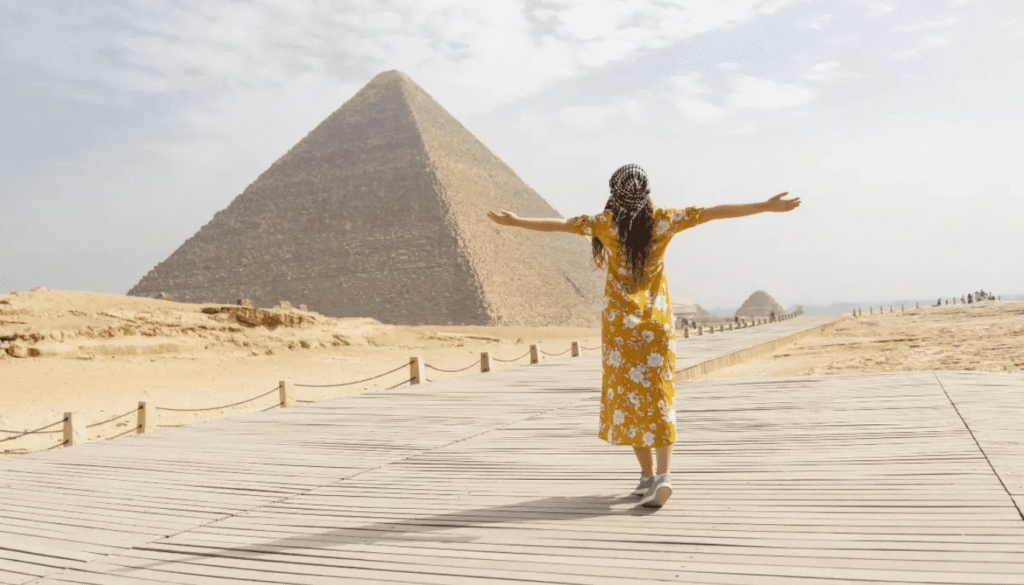
Picture this: you’re standing before the Great Pyramids of Giza, tears welling up as you realize you’re finally witnessing one of humanity’s greatest achievements. The sun casts golden shadows across ancient stones, and for a moment, time stands still. This is Egypt – a country that will absolutely take your breath away with its incredible history, warm hospitality, and breathtaking monuments that have stood for millennia.
Egypt is genuinely one of the safest destinations for travelers in the region. You’ll find yourself wandering through bustling markets, exploring magnificent temples, and connecting with locals who are genuinely proud to share their heritage with visitors from around the world. The country welcomes millions of tourists annually, and with good reason – where else can you cruise down the legendary Nile River, explore tombs of pharaohs, and experience a culture that seamlessly blends ancient traditions with modern life?
However, like any popular destination, Egypt has its quirks and unique cultural dynamics that can catch first-time visitors off guard. Understanding these things to know before visiting Egypt before you arrive will transform your experience from potentially frustrating to absolutely magical. This comprehensive Egypt travel guide provides you with the insider knowledge and practical Egypt travel tips that will help you navigate like a seasoned traveler, save money, maximize your time, and truly enjoy every moment of your Egyptian adventure.
“What to Pack for Your Magic Trip to Egypt 2025.”
The Tourist Experience: Cultural Preparation and Essential Phrases
Understanding Egyptian Hospitality and Commerce
One of the most beautiful aspects of Egyptian culture is the genuine warmth and friendliness of its people. Egyptians are incredibly social, love meeting people from different countries, and take immense pride in their history. You’ll often find locals eager to practice their English, recommend their favorite restaurants, or simply chat about life in Egypt versus your home country.
The golden rule for enjoying Egypt: Approach every interaction with a smile and positive energy. When vendors approach you at markets or tourist sites (which happens frequently in popular areas), a friendly “La Shukran” (لا شكراً – “No thank you”) works wonders. Say it with a smile, keep walking, and don’t stop to engage if you’re not interested. This isn’t rude in Egyptian culture – it’s actually the expected way to navigate busy tourist areas. Think of it as a dance everyone knows the steps to!
Powerful Arabic Phrases That Show Cultural Respect
Learning just a few Arabic phrases will dramatically enhance your experience. Egyptians absolutely light up when tourists make the effort to speak even basic Arabic. Beyond “La Shukran,” another incredibly useful word is “Inshallah” (إن شاء الله – “if God wills it” or “God willing”). Egypt is a deeply religious country, and this phrase is woven into everyday conversation. When someone asks you to promise to visit their shop later or return tomorrow, responding with “Inshallah” is a polite, culturally appropriate way to keep your options open without committing.
Other phrases that will earn you instant smiles:
- “Shukran” (شكراً) – Thank you.
- “Sabah el kheir” (صباح الخير) – Good morning.
- “Masa el kheir” (مساء الخير) – Good evening.
- “Afwan” (عفواً) – You’re welcome.
- “Gamda awy!” (جامدة قوي) – Very beautiful/amazing!
The Art of Baksheesh: Tipping Culture
Egypt has a strong tipping culture called “Baksheesh”, and understanding this before you arrive will help you budget appropriately and navigate situations smoothly. Unlike in some countries where tipping is optional, Baksheesh is deeply ingrained in Egyptian society and supplements many service workers’ incomes.
Here’s what travelers wish they knew: Always carry small bills – lots of them! Egyptian pounds in denominations of 5, 10, and 20 EGP are perfect. You’ll tip for restroom attendants (5-10 EGP), helpful guides at sites (20-50 EGP depending on service), hotel staff (10-20 EGP), and various small services throughout your day. The amounts are genuinely small in foreign currency (often less than $1 USD), but having the right bills ready makes everything smoother.
Pro tip: Keep your small bills in a separate pocket from your main wallet. This way, you can quickly access them without revealing how much money you’re carrying. Also, tipping in Egyptian pounds rather than foreign currency is always better – it’s more practical for recipients and helps you manage your travel budget more accurately.
Transportation Mastery: Getting Around Like a Local
Arriving at Cairo International Airport: Your First Success
Your Egypt adventure begins the moment you land at Cairo International Airport, and knowing the real costs before you arrive will set you up for success. As of 2025, an Uber from Cairo Airport to Downtown Cairo costs between 200-250 EGP (approximately $6-8 USD). This is your baseline reference point.
What you need to know: Local buses (routes 400 and 500) run regularly from the airport to Tahrir Square for about 10 EGP. These buses are comfortable, air-conditioned, and used by both locals and budget travelers. Having this knowledge gives you confidence and options when planning your arrival.
Mastering Uber and Transportation Apps
Uber and other ride-hailing apps work wonderfully in Egyptian cities, especially Cairo and Alexandria. They’re transparent with pricing, provide air-conditioned comfort, and eliminate language barriers since your destination is already entered in the app. Most drivers are professional, friendly, and happy to answer questions about Egypt.
Insider knowledge: Occasionally, drivers may message through the app asking to cancel the ride and pay cash instead, claiming they’ll offer a better price. The smartest approach? Politely decline and wait for another driver. If a driver insists on this arrangement, you can cancel – but here’s the key tip: always have the driver cancel the trip if they’re the one requesting changes. This way, you won’t be charged Uber’s cancellation fee.
Hotels, Restaurants, and Pre-Booked Accommodations
You’ve done your research, booked a highly-rated hotel or guesthouse, and you’re excited to check in. Essential knowledge: Your pre-booked accommodation is almost certainly open and waiting for you.
Crossing the Nile: Ferry Facts in Luxor and Aswan
In cities like Luxor and Aswan, crossing the Nile River to visit West Bank attractions is part of the adventure. The public ferry costs just 10 EGP per person and runs regularly throughout the day. It’s a charming, authentic experience where you’ll ride alongside locals going about their daily lives.
Private boat operators may tell you the public ferry isn’t running or is closed for maintenance. However, these ferries run reliably except in very rare circumstances. Walking to the public ferry dock (ask locals for “el-ma’adiya” – المعدية) is part of experiencing real Egyptian life and saves you money for more important experiences like a spectacular Nile cruise or a hot air balloon ride over Luxor!
Navigating Cairo’s Legendary Traffic
Cairo’s traffic is famous worldwide, and crossing the street is definitely an adventure! Here’s what locals know: Traffic rarely stops for pedestrians, but drivers are incredibly skilled at weaving around people. The key is confidence without hesitation. Watch how locals cross – they step off the curb with purpose, make eye contact with drivers, and proceed lane by lane, treating each traffic lane as a separate mini-crossing.
Your strategy: Wait for a small gap, make your intention clear by stepping forward, and walk at a steady pace (don’t run or suddenly stop). Drivers expect this behavior and will adjust accordingly. It feels intimidating at first, but within a day or two, you’ll be crossing Cairo streets like a pro! Many travelers actually find it exciting once they get the hang of it.
Tourist Sites Triumph: Maximizing Your Monument Experiences
The Official Ticket Office: Your First Stop Always
Egyptian historical sites are incredibly affordable compared to similar attractions worldwide. Entry to the Giza Pyramid complex, for example, offers extraordinary value for what you’re experiencing. The cardinal rule: Always purchase your tickets at clearly marked official ticket offices or visitor centers. These are typically well-signed, have official-looking windows or counters, and provide printed tickets.
This simple practice ensures you’re paying the correct government-set price and have a valid ticket for entry. Official ticket offices also have prices clearly displayed (often in both Arabic and English), and staff wear uniforms or official identification. Taking two minutes to locate the official booth saves hassle and ensures your money goes to preserving these incredible sites.
After Security: Your Ticket is Your Pass
Once you’ve entered a site through the main security checkpoint and had your ticket scanned or checked, you’re good to go! Important knowledge: You don’t need to show your ticket again to anyone walking around the site. Keep it in your pocket or bag. Official security staff are stationed at fixed checkpoints, not wandering around approaching tourists randomly.
This knowledge is empowering because it means you can explore freely and confidently. If someone approaches you asking to see your ticket after you’ve already entered, a polite “I already showed it at the entrance” is perfectly fine. Then continue enjoying the magnificent sights around you!
Freedom to Explore: Walking Around Giza and Beyond
The area around the Pyramids has walking paths, viewpoints, and various angles from which to admire these ancient wonders. Excellent news: You’re absolutely free to walk wherever there are established paths. The classic panoramic viewpoint where all three pyramids align is accessible on foot, and the walk offers incredible photo opportunities and a chance to appreciate the scale of these monuments.
If someone tells you a path is closed or that you must take a camel or horse to reach certain viewpoints, this is incorrect. The official signs and site maps show which areas are accessible. Trust the official information, and enjoy your walk! Many travelers report that walking around the Giza plateau is actually their favorite part of the experience – you can go at your own pace, stop for photos, and really absorb the magnitude of what you’re witnessing.
The Camel Experience: Pricing and Making It Wonderful
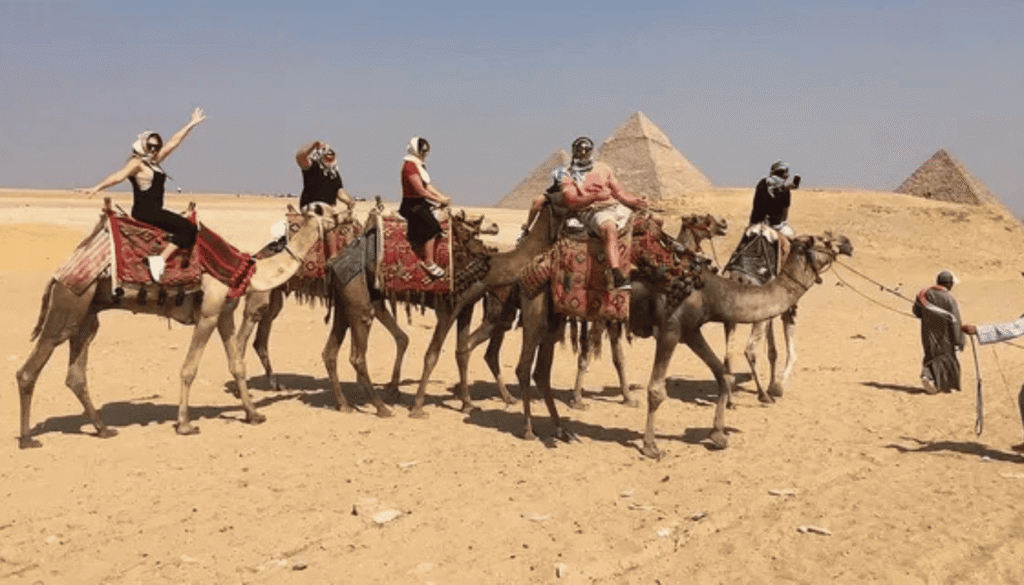
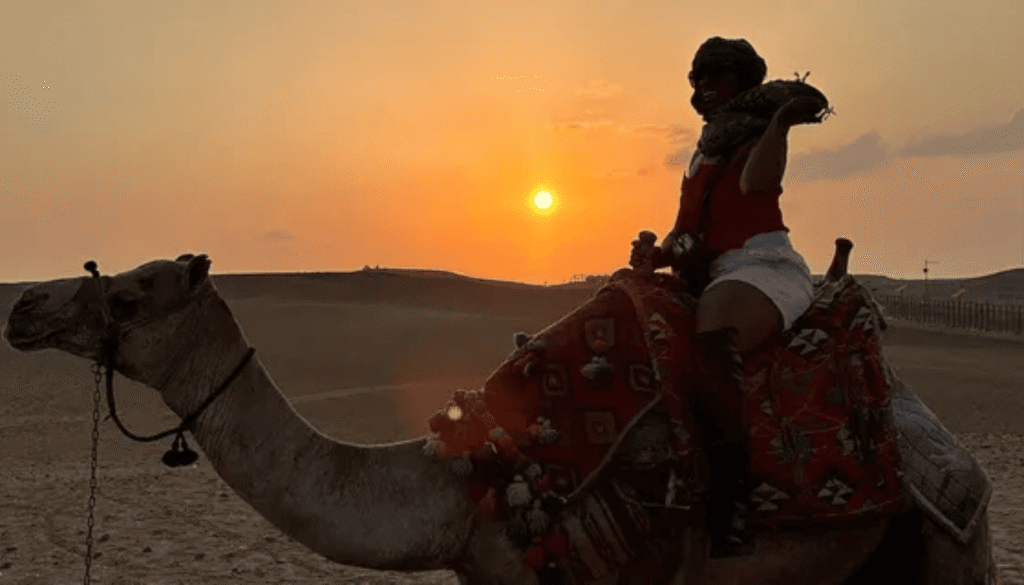
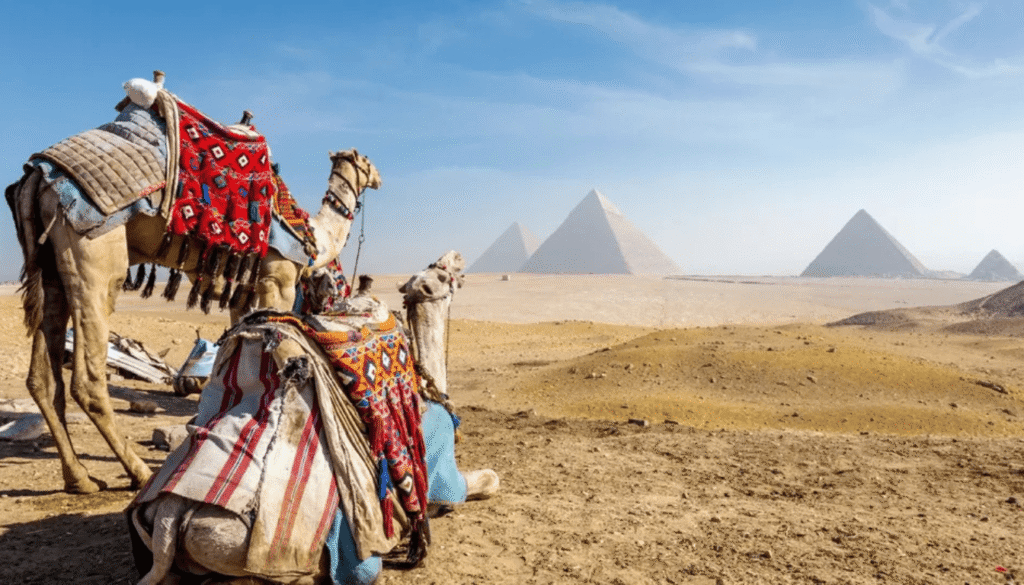
Riding a camel with the Pyramids in the background is a bucket-list experience for many travelers! Official government signs at Giza post the regulated prices for camel rides, typically around 500 EGP for a one-hour ride as of 2024. Knowing this official price gives you a reference point.
How to ensure a great experience: Negotiate and agree on the complete price before mounting the camel. Be specific: “500 EGP for one hour, photos included, returning to this exact spot.” Once you both agree and you’re clear on the terms, the experience is usually wonderful! The handlers often share interesting facts about the pyramids, position your camel for amazing photos, and some are quite funny and entertaining.
Many travelers who took time to negotiate properly beforehand report having an absolutely fantastic time and getting some of their favorite photos of the entire trip. It’s about clear communication upfront, which benefits everyone involved.
“From Cairo | Camel ride trip at Giza Pyramids During Sunrise or Sunset.”
Photo Opportunities: Understanding the Dynamics
Egyptians are genuinely friendly and often curious about meeting people from different countries. Heartwarming fact: If an Egyptian family or children politely ask to take a photo with you, this is usually a genuine, sweet interaction. Egyptians view meeting international visitors as exciting, and these photos become cherished memories for them. These interactions don’t expect tips – they’re simply cross-cultural moments of connection.
However, if someone approaches offering to take a photo of you (especially at major tourist sites), they’re typically expecting a small tip afterward. This is completely fine if you want help getting a great photo! Just be aware so you can have appropriate bills ready. A 10-20 EGP tip is standard and appreciated.
Sacred Spaces: Mosques and Churches
Egypt’s religious sites are architecturally stunning and culturally significant. Good to know: The vast majority of mosques and Coptic churches welcome visitors free of charge. Places like the beautiful Mosque of Muhammad Ali in Cairo’s Citadel or the historic Hanging Church are free to enter (though there’s a fee for the Citadel complex itself).
Some mosques may ask for a small donation for maintenance, which is voluntary. If someone claims there’s a mandatory entrance fee, politely ask to see the ticket booth or printed price list. Authentic fees will always have official documentation. Most of the time, you’ll find these sacred spaces welcoming and free, offering peaceful moments away from the hustle of tourist areas.
Shopping Success: Markets, Souvenirs, and Smart Purchasing
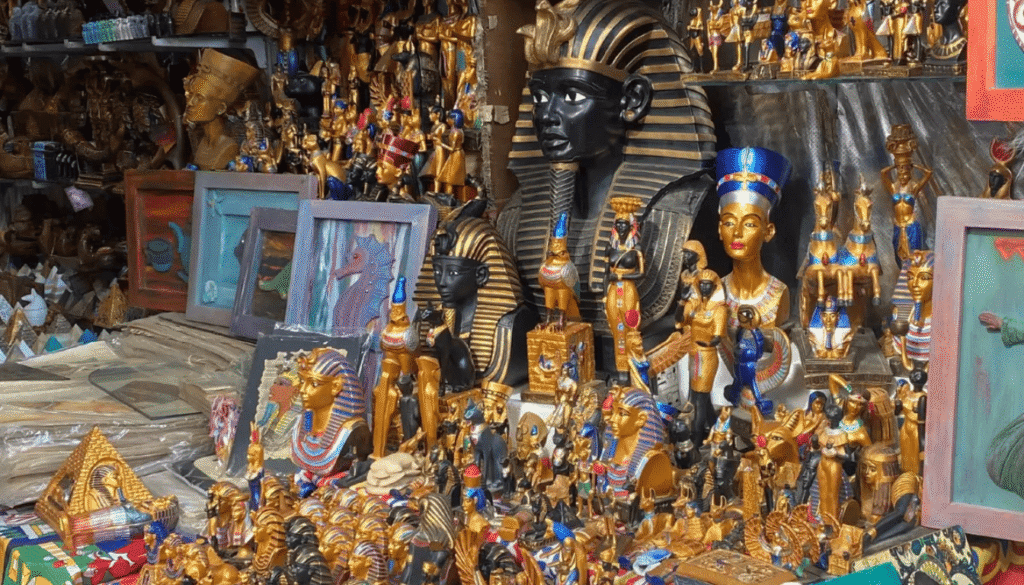
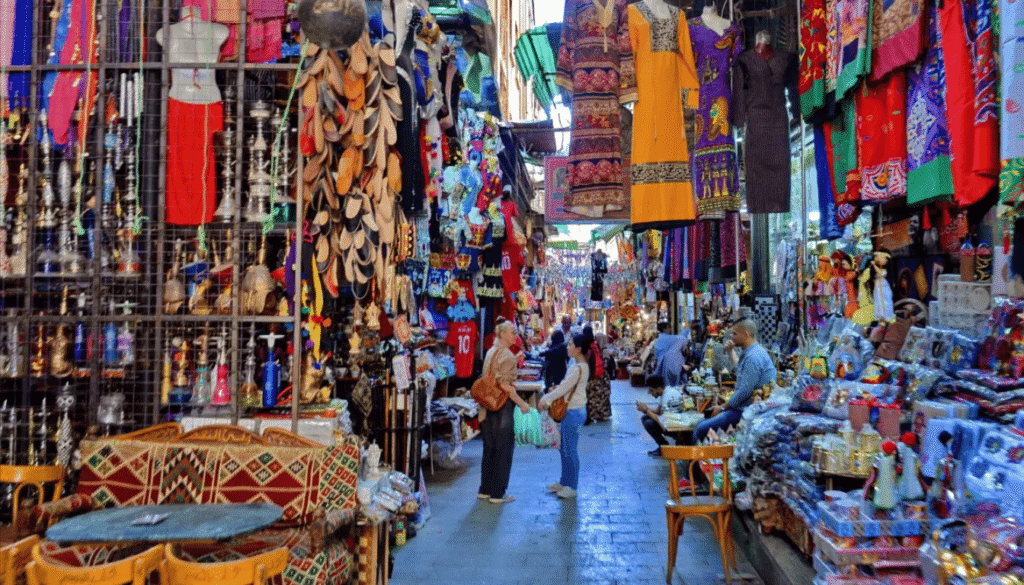
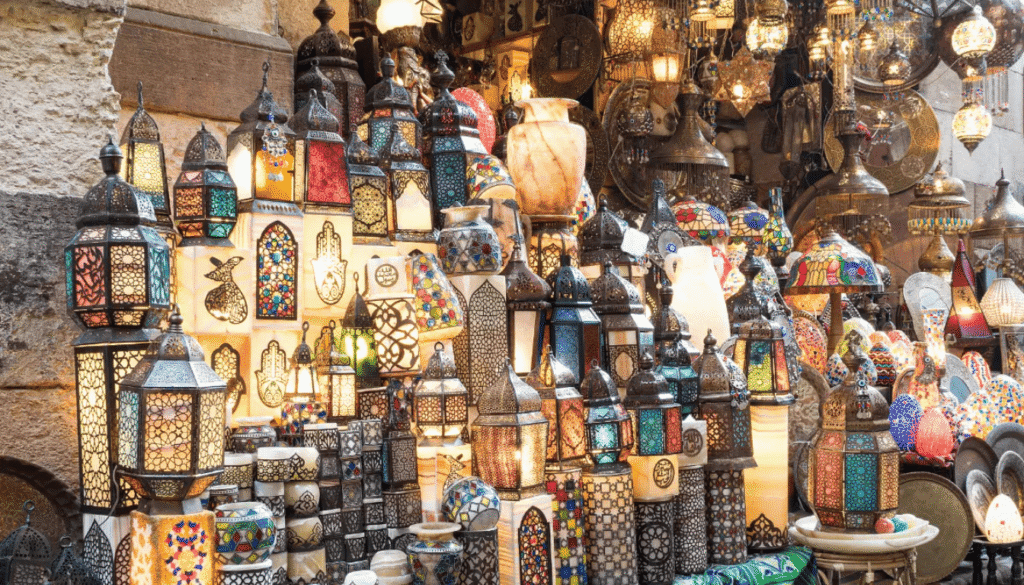
The “Museum” Experience: Understanding Tourist Shops
You’ll likely be invited to visit places called “Papyrus Museums” or “Alabaster Museums” during your trip. Here’s the reality: These are actually high-end shops, not museums in the traditional sense. They typically offer an interesting 10-15 minute presentation about how papyrus is made or how alabaster is carved (often with complimentary tea), which is genuinely educational and fascinating.
The presentation is free, and you’re under no obligation to buy anything afterward. If you find something you love and the price feels right after negotiating, great! If not, a polite “Shukran, it’s beautiful but not today” works perfectly. The presentations themselves are actually quite interesting and teach you something about ancient Egyptian crafts, so enjoy that part stress-free.
Strategic Souvenir Shopping
Money-saving knowledge: Avoid purchasing souvenirs, water, or snacks at major tourist sites like the Pyramids, Karnak Temple, or Khan El Khalili’s most touristy sections. Prices at these prime locations are significantly higher than elsewhere. Instead, venture into local neighborhoods or shop at markets where Egyptians shop for better prices and more authentic interactions.
Cities like Aswan have wonderful Nubian markets with beautiful handmade crafts at more reasonable starting prices. Neighborhoods slightly away from major tourist drags offer the same products at fractions of the cost. Plus, you’ll have more authentic experiences chatting with shopkeepers who aren’t dealing with hundreds of tourists daily.
The Joy of Haggling: A Cultural Game
Negotiating prices is an integral part of Egyptian shopping culture, and many vendors actually enjoy the banter! Perspective shift: View haggling as a fun game rather than a confrontation. In markets and with street vendors, almost nothing has a fixed price. The first price quoted is typically 3-4 times what the vendor expects to receive.
The “Free” Tea Situation
Egyptian hospitality is legendary, and offering tea is a traditional welcoming gesture. In tourist shops, tea offered during browsing is a hospitality tactic, but it doesn’t obligate you to purchase. The empowering mindset: You can graciously accept tea, enjoy the chat, look at products, and still politely decline to buy if nothing appeals to you.
A gracious “Shukran for the tea and for showing me your beautiful items, but nothing is quite right for me today” is perfectly acceptable. Most shopkeepers understand – they’d rather have you leave happily and potentially recommend their shop to other travelers than feel pressured. Building genuine connections often matters more to them than a single sale.
Navigate Egypt Like a Pro: Final Wisdom and Logistics
Perspective: The Bigger Picture of Your Egyptian Journey
Here’s something important to remember: Egypt offers extraordinary experiences at prices that remain remarkably affordable compared to other destinations with similar historical significance. A cruise on the Nile River, entry to ancient temples, traditional Egyptian meals at local restaurants – these experiences offer incredible value and create lifetime memories.
The extra few dollars you might occasionally pay while learning to navigate Egyptian tourism dynamics often amounts to very little in the context of your overall trip. Meanwhile, you’re supporting a country where tourism is vital to the economy and helps preserve the ancient sites we all love to visit. This perspective helps maintain your joy even during moments that feel challenging.
The Successful Egypt Mindset
Thriving in Egypt comes down to three things: preparation, kindness, and confidence. Know your costs beforehand (Uber prices, ferry prices, entry fees), use reliable transportation methods like Uber or pre-arranged drivers from your hotel, and approach every interaction with friendliness but clarity.
Egyptians respect confident travelers who know what they want and communicate clearly. A warm smile combined with firm boundaries is the perfect combination. You’re not being rude by saying no thank you repeatedly – you’re participating in the expected social dynamics of a tourist economy. The locals who approach you understand this completely; it’s simply the rhythm of daily life in tourist areas.
Essential Carry Items for Egypt Success
Your daily carry essentials:
- Passport or copy: Always have identification.
- Small Egyptian pound bills: Keep 5, 10, and 20 EGP notes separate for tips and small purchases.
- Pocket WiFi or Egyptian eSIM: Staying connected lets you use Uber, Google Maps, and WhatsApp to contact hotels.
- Portable battery: Long days exploring drain phone batteries quickly.
- Sunscreen and hat: The Egyptian sun is no joke, even in winter!
- Reusable water bottle: Stay hydrated while reducing plastic waste.
- Hand sanitizer and tissues: Not all facilities have supplies.
“Egypt 5G eSIM | Multiple Networks | 1–30 Days | Instant QR.”
The Nile Cruise: Your Oasis Experience
One of the absolute best Egypt travel tips experienced travelers share is this: book a Nile cruise. Whether it’s a luxury multi-day cruise from Luxor to Aswan or a traditional felucca sailing experience, time on the Nile provides a peaceful counterbalance to the energy of tourist sites.
On a cruise, everything is handled – meals, transportation between sites, guides, and entertainment. You can relax on deck watching the timeless scenery drift by, enjoy Egyptian hospitality at its finest, and arrive at temples refreshed rather than exhausted from navigating logistics. Many travelers report their Nile cruise as the absolute highlight of their Egyptian adventure. It’s where you transition from feeling like a tourist to feeling like an honored guest experiencing the magic of Egypt.
“dinner cruise on the banks of the Nile with a 5 star open buffet.”
Embrace the Adventure
Egypt will challenge you in small ways – the energy, the enthusiasm of vendors, the organized chaos of Cairo traffic – but these challenges are part of what makes Egypt so memorable and transformative. Every traveler who’s successfully navigated Egypt looks back on these moments with fondness and even humor. You’ll have incredible stories to share, like that time you haggled for a papyrus painting or successfully crossed a six-lane Cairo intersection!
The things to know before visiting Egypt covered in this Egypt travel guide prepare you to handle the quirks while fully embracing the wonder. You’re going to stand before monuments that have survived thousands of years, cruise the river that birthed one of humanity’s greatest civilizations, taste incredible food, and meet people whose warmth and pride in their heritage will touch your heart.
Conclusion: Go Experience Egypt!
Now you have the knowledge. You understand how transportation works, how to purchase tickets confidently, how to navigate shopping situations, and how to approach the entire experience with the right mindset. You’re prepared with practical Egypt travel tips and the cultural insights that transform a good trip into an extraordinary one.
Book that Nile cruise you’ve been considering. Download your eSIM or arrange your pocket WiFi. Break some bills into small denominations. Practice saying “La Shukran” with a smile. Most importantly, prepare yourself to be absolutely amazed. Egypt has been enchanting travelers for thousands of years, and it’s about to enchant you too.
The Pyramids are waiting. The temples of Luxor are ready to share their stories. The Nile is flowing as it has for millennia, ready to carry you through history. Your Egyptian adventure – armed with knowledge, preparation, and the right mindset – is going to be absolutely unforgettable.
Safe travels, and may your journey through Egypt be filled with wonder, connection, and experiences that stay with you forever. Inshallah, you’ll return home with a heart full of memories and an immediate desire to return!
Pingback: best 5 tips about How to Get Around Egypt Like a Local (Without Overpaying). - Discover Egypt Now